
Introduction
This article examines the PMSG (Permanent Magnet Synchronous Generator) installations reported for February 2026 in India's Northeast region. Understanding these installations is crucial for stakeholders in renewable energy, policy planning, and regional development. Readers will learn where the projects are located, what they indicate about market trends, and how they affect various sectors.
What Does the Data Reveal About This Topic?
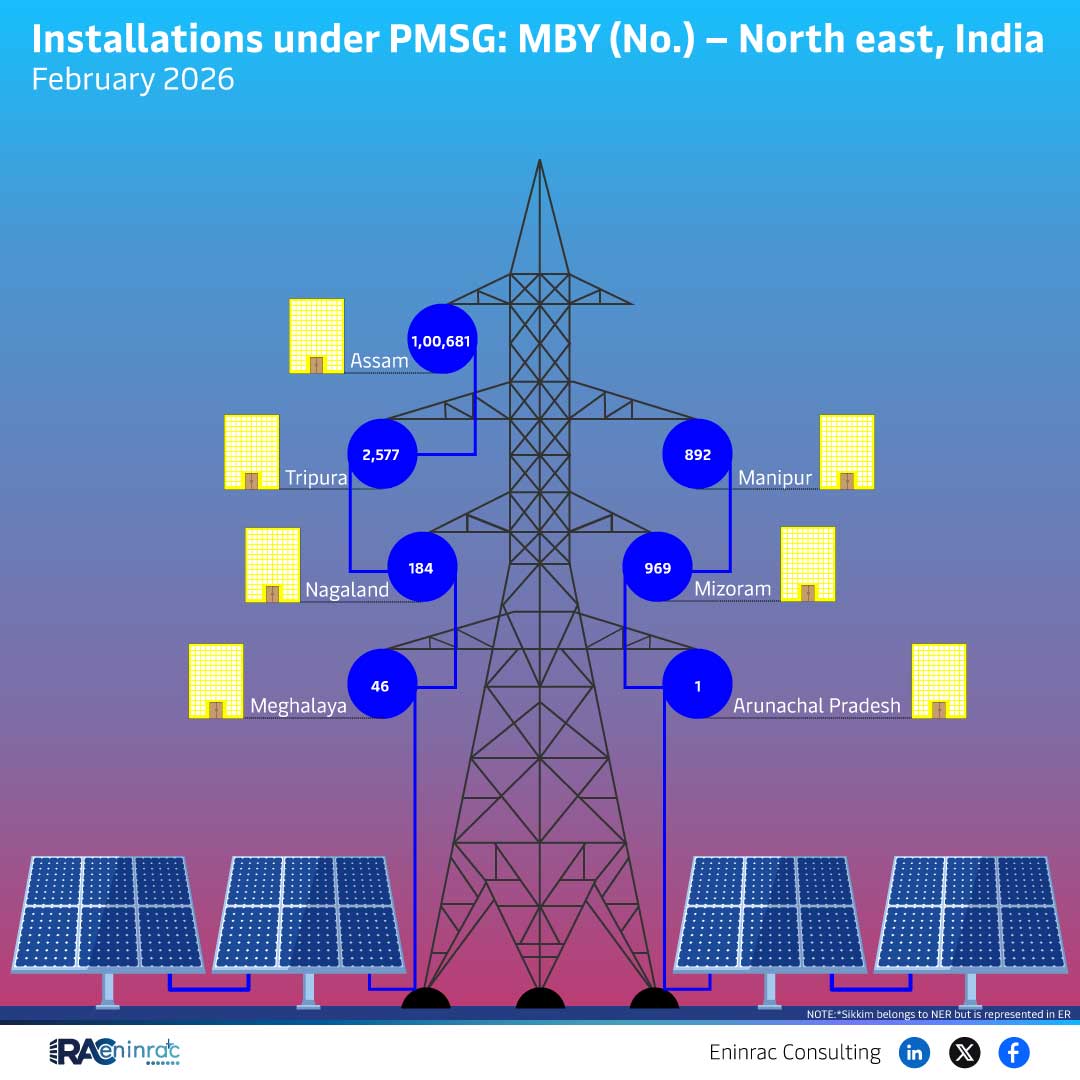
The raw data lists three key locations – MBY (No.) in the North East, Manipur, and Nagaland – with a total of 184 installations recorded in February 2026. The question is: what does this concentration tell us about the growth of PMSG technology in the region? The answer shows a focused expansion in remote and hilly states, suggesting targeted government incentives and increasing private investment in clean energy infrastructure.
Regional Distribution of PMSG Installations
When comparing the three sites, MBY (No.) appears to be a hub with the highest number of installations, while Manipur and Nagaland contribute smaller but significant shares. This pattern highlights the strategic placement of generators in areas with high wind potential and limited grid connectivity. The data also reflects a broader national push to decentralize power generation and improve energy security in underserved regions.
Impact on Sectors and Industries
The rise of PMSG installations influences several sectors. In the power generation industry, it accelerates the shift toward renewable sources and reduces reliance on fossil fuels. For the construction and engineering sectors, demand for turbine components and installation services grows. Investors see new opportunities in green bonds and project financing, while policymakers gain evidence to refine subsidy schemes. Consumers in the Northeast can anticipate more reliable electricity and lower tariffs as local generation reduces transmission losses.
Key Takeaways
- February 2026 saw 184 PMSG installations across three Northeast states.
- MBY (No.) leads the region with the highest concentration of generators.
- Manipur and Nagaland are emerging markets for renewable technology.
- Installations support national goals for clean energy and grid decentralization.
- Local economies benefit from job creation and infrastructure development.
- Data underscores the importance of targeted policy incentives.
FAQs
What is a PMSG?
A Permanent Magnet Synchronous Generator converts mechanical energy from wind turbines into electricity using permanent magnets, offering higher efficiency and lower maintenance.
Why focus on the Northeast region?
The Northeast has abundant wind resources, challenging terrain, and a need for reliable power, making it ideal for decentralized renewable projects.
How many installations were recorded in February 2026?
The data reports a total of 184 PMSG installations across MBY (No.), Manipur, and Nagaland.
What benefits do these installations bring to local communities?
They provide cleaner energy, create jobs, improve grid stability, and can lower electricity costs for residents.
Are there government incentives supporting these projects?
Yes, both central and state governments offer subsidies, tax benefits, and low‑interest loans to encourage renewable energy deployment in the region.