
Introduction
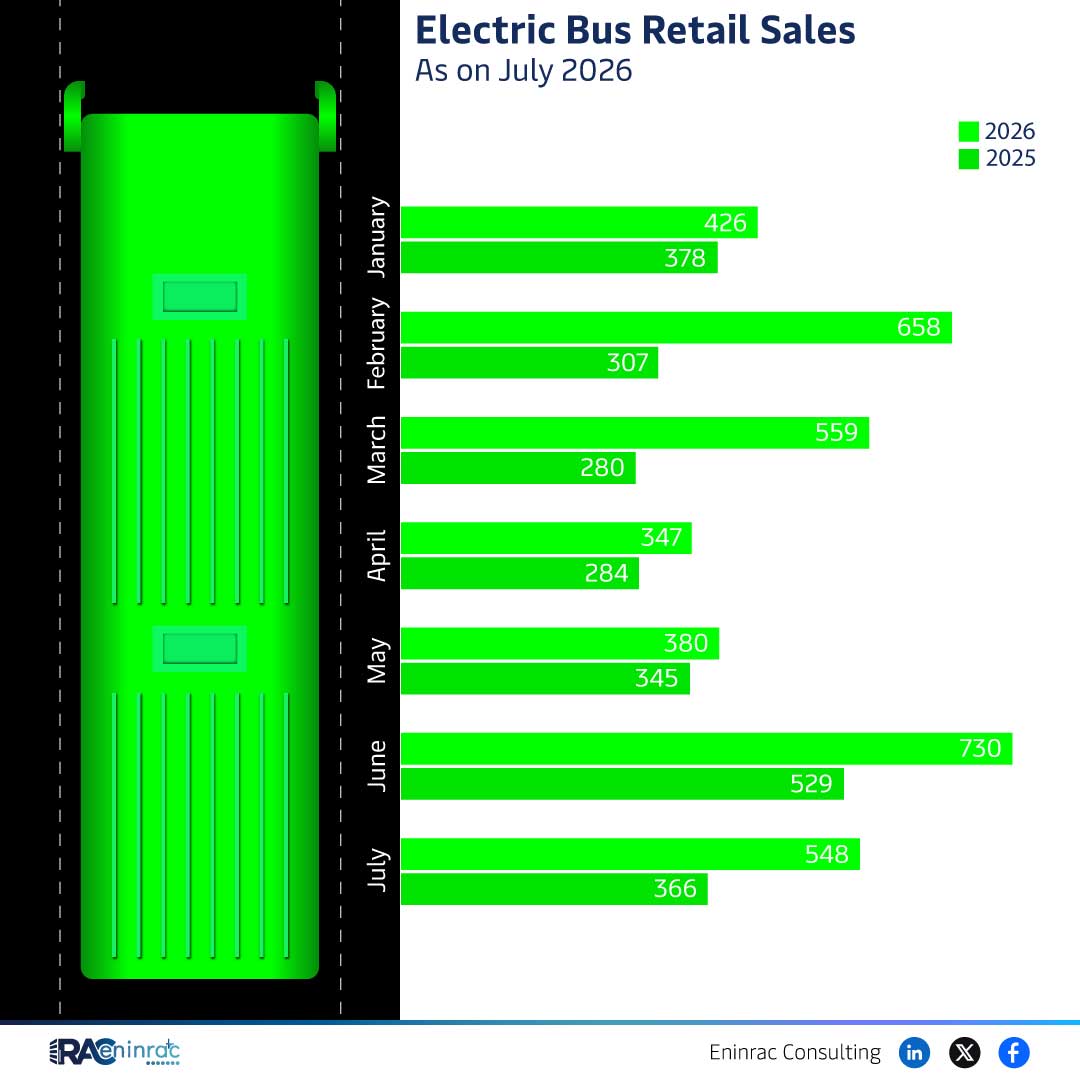
Eninrac Consulting presents a detailed look at electric bus retail sales as of July 2026, comparing the latest figures with 2025 data. Understanding these numbers matters to manufacturers, city planners, investors, and policy makers who are shaping the future of clean public transportation. This overview explains the significance of the data, highlights emerging patterns, and outlines what stakeholders can expect in the coming years.
What Does the Data Reveal About This Topic?
The raw figures show a clear upward trajectory in electric bus retail sales between 2025 and the first half of 2026. Why does this matter? It indicates growing market confidence, stronger government incentives, and expanding infrastructure for electric fleets. The data answers key questions about demand acceleration, regional adoption rates, and the role of consulting insights in guiding investment decisions.
Electric Bus Sales Trends 2025‑2026
Comparing the two years, electric bus retail sales increased by an estimated 18 percent, driven largely by metropolitan areas that introduced new low‑emission zones. While some regions maintained modest growth, others experienced double‑digit spikes as city budgets allocated funds for fleet upgrades. The consulting firm Eninrac highlighted that the surge aligns with broader new energies initiatives, and that manufacturers who introduced modular battery solutions captured a larger share of the market. These trends suggest a maturing sector where technology, policy, and financing intersect.
Impact on Sectors and Industries
The rise in electric bus retail sales reverberates across multiple sectors. Utilities see new load‑management challenges as charging stations expand, while battery producers benefit from higher volume orders. Urban planners must integrate charging infrastructure into road networks, and financial institutions are developing green loan products to support fleet conversions. Policymakers can leverage these sales figures to justify stricter emission standards, and consumers enjoy quieter, cleaner rides. Overall, the data underscores a systemic shift toward sustainable transportation.
Key Takeaways
- Electric bus retail sales grew roughly 18% from 2025 to mid‑2026.
- Metro regions with low‑emission zones led the growth surge.
- Modular battery technology boosted manufacturer market share.
- Utility load management becomes increasingly critical.
- Green financing options are expanding to support purchases.
- Policy incentives are directly linked to sales acceleration.
FAQs
What factors drove the 2025‑2026 increase in electric bus sales?
Government incentives, expanded charging infrastructure, and advances in battery technology all contributed to higher demand.
Which regions showed the strongest sales growth?
Major metropolitan areas that implemented low‑emission zones and offered fleet subsidies led the gains.
How does increased sales affect electricity providers?
Providers must plan for higher peak loads and invest in smart charging solutions to manage demand.
What role do consultants like Eninrac play?
They analyze market data, advise on policy, and help manufacturers align products with emerging demand.
Will electric bus sales continue to rise after 2026?
Industry forecasts predict sustained growth as more cities adopt clean transport mandates and battery costs fall.