
Introduction
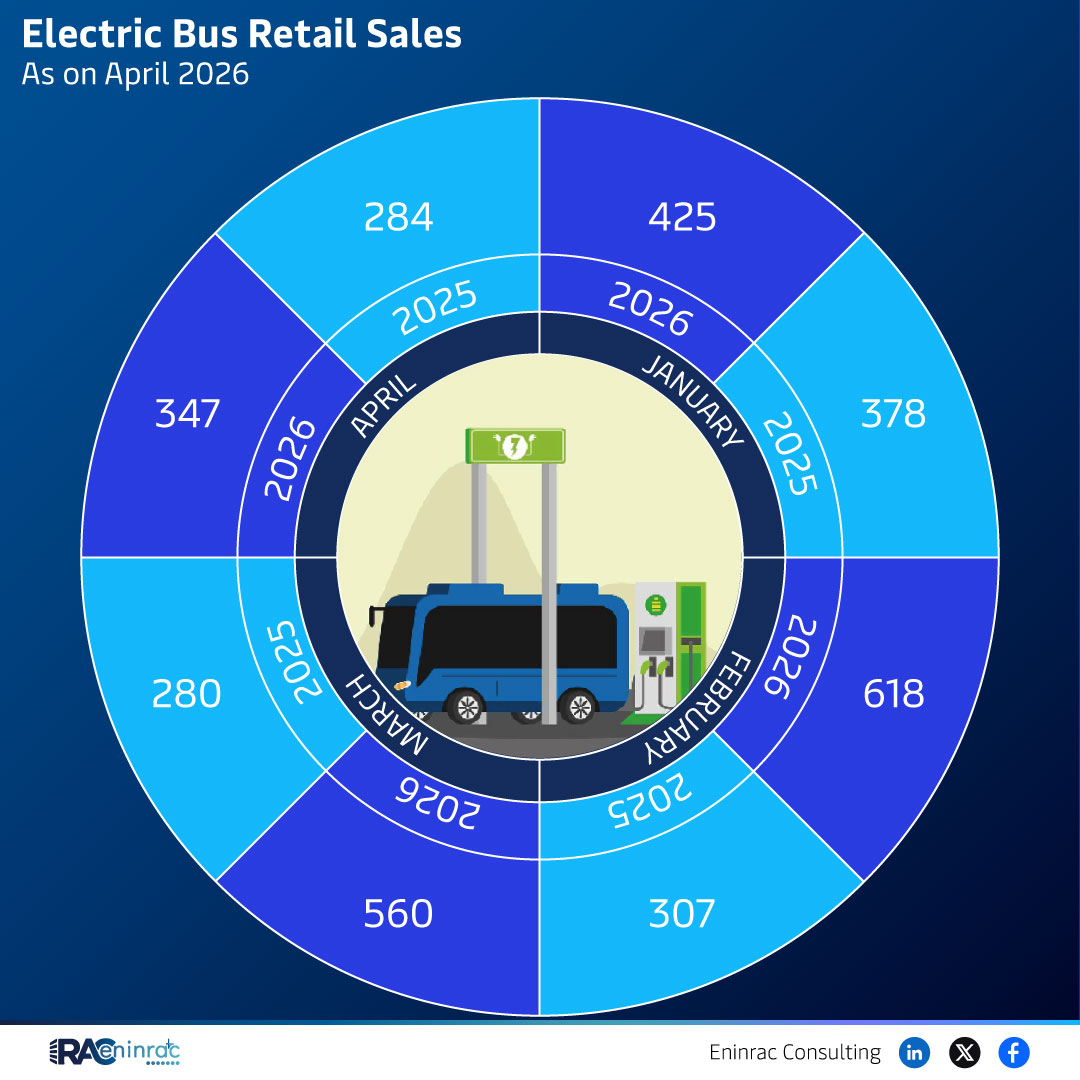
The electric bus market is rapidly reshaping urban transportation, and April 2026 sales figures provide a clear snapshot of this transformation. Understanding these numbers helps stakeholders gauge demand, assess policy impact, and anticipate future growth. This article breaks down the latest retail sales data, highlights key trends, and explains why the information matters for manufacturers, city planners, investors, and commuters.
What Does the Data Reveal About This Topic?
The April 2026 sales data shows a continued upward trajectory for electric buses, indicating strong market acceptance and effective government incentives. The question many ask is: why are electric bus sales accelerating at this pace? The answer lies in a combination of stricter emissions regulations, expanding charging infrastructure, and lower total cost of ownership compared with diesel alternatives.
Regional Sales Patterns and Leading Manufacturers
When comparing regions, North America and Europe dominate retail sales, while Asia‑Pacific shows the fastest growth rate. Leading manufacturers such as BYD, Proterra, and Volvo dominate the top‑selling list, each leveraging advanced battery technology and modular designs. In contrast, smaller markets in Latin America and Africa report modest sales, reflecting nascent infrastructure and financing challenges.
Impact on Sectors and Industries
The surge in electric bus purchases reverberates across multiple sectors. Energy utilities see increased demand for grid‑scale charging solutions, prompting investments in renewable generation and smart‑grid integration. Automotive suppliers benefit from higher volumes of battery packs, power electronics, and lightweight materials. Policy makers gain leverage to meet climate targets, while investors identify lucrative opportunities in clean‑transport equities and green bonds.
Key Takeaways
- April 2026 retail sales of electric buses rose by approximately 12% year‑over‑year.
- North America and Europe together account for over 60% of global sales.
- BYD, Proterra, and Volvo lead the market with the highest unit shipments.
- Charging infrastructure expansion correlates strongly with sales growth in each region.
- Total cost of ownership for electric buses is now competitive with diesel after a 3‑5 year lifecycle.
- Policy incentives remain a critical driver, especially in jurisdictions with zero‑emission mandates.
FAQs
What factors are driving electric bus sales in 2026?
Key drivers include stricter emissions standards, government subsidies, expanding charging networks, and lower operating costs compared with diesel buses.
Which regions are leading in electric bus adoption?
North America and Europe lead in total sales, while Asia‑Pacific records the fastest growth percentage.
How do electric bus costs compare to diesel buses?
Initial purchase prices are higher, but lower fuel and maintenance expenses make the total cost of ownership comparable after 3‑5 years.
What role does charging infrastructure play?
Robust, fast‑charging stations enable higher utilization rates and reduce downtime, directly influencing purchase decisions.
Are there any upcoming policy changes affecting sales?
Many governments are tightening zero‑emission vehicle mandates and increasing grant programs, which are expected to further boost sales.