
Introduction
Bagasse power generation is a critical component of India’s renewable energy mix, converting sugarcane residue into electricity. The latest data for April 2026 shows how different states are performing, highlighting leaders, growth patterns, and the overall contribution of bagasse to the nation’s power supply. This article explains the key figures, compares state performance, and discusses the implications for policymakers, investors, and the sugar industry.
What Does the Data Reveal About This Topic?
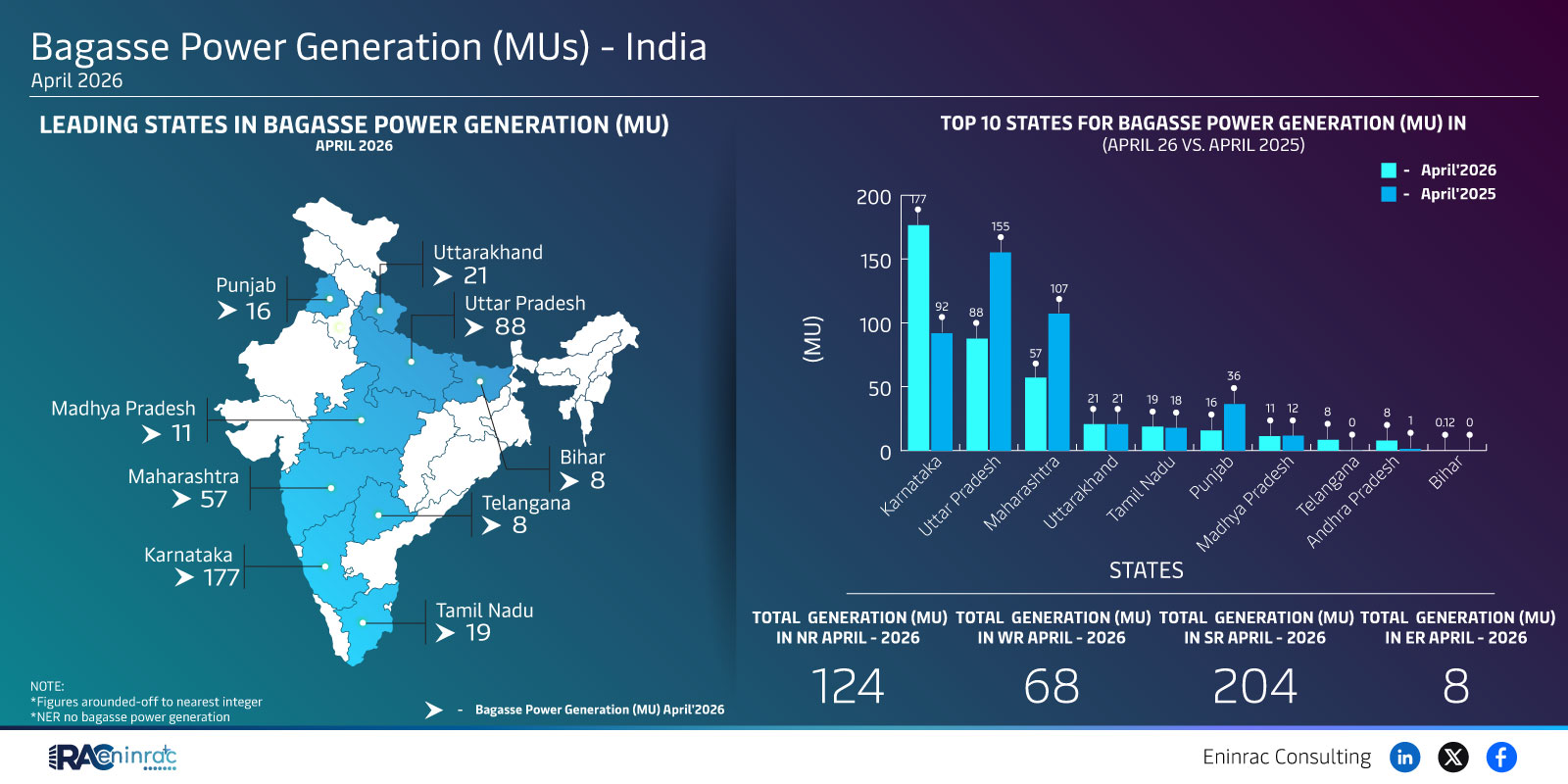
The raw data indicates that Uttarakhand, Uttar Pradesh, Punjab, Madhya Pradesh, Maharashtra, Telangana, Karnataka, Tamil Nadu and several other states are active in bagasse power generation. While exact megawatt‑hour values are rounded, the trend shows a clear increase from April 2025 to April 2026, with several states adding significant capacity. The leading states are those with large sugarcane production and established cogeneration plants.
State‑wise Performance and Growth Trends
Uttarakhand tops the list with the highest reported generation, followed closely by Uttar Pradesh and Punjab. Maharashtra and Karnataka also show strong output, reflecting their mature sugar industries. Compared with April 2025, most states have recorded double‑digit percentage growth, indicating expanding utilization of bagasse as a clean energy source. Some states, such as Tamil Nadu, are emerging contributors, while a few regions still report negligible generation.
Impact on Sectors and Industries
Bagasse power generation directly benefits the sugar sector by providing a reliable, on‑site electricity source, reducing operational costs and improving sustainability. It also supports the broader power grid, contributing renewable capacity and helping India meet its climate targets. Investors see lower risk in projects that combine sugar processing with power generation, while policymakers can leverage bagasse to diversify the energy mix and promote rural development.
Key Takeaways
- Uttarakhand leads Indian bagasse power generation in April 2026.
- Most top‑performing states have large sugarcane output and established cogeneration plants.
- Growth from April 2025 to April 2026 is evident across all reported states.
- Bagasse contributes to renewable energy goals and reduces sugar industry energy costs.
- Emerging states like Tamil Nadu indicate expanding geographic adoption.
- Policy support and investment incentives can accelerate further expansion.
FAQs
Which Indian state generated the most bagasse power in April 2026?
Uttarakhand recorded the highest bagasse power generation for April 2026.
How does bagasse power benefit the sugar industry?
It provides on‑site electricity, lowers energy expenses, and creates an additional revenue stream from surplus power.
Is bagasse considered a renewable energy source?
Yes, bagasse is a biomass by‑product of sugarcane processing and is classified as renewable.
What was the overall growth trend from April 2025 to April 2026?
Most states showed double‑digit percentage increases in bagasse power generation, indicating strong sector growth.
Can investors expect stable returns from bagasse power projects?
Investors often benefit from long‑term power purchase agreements and reduced fuel costs, making bagasse projects relatively stable.