
Introduction
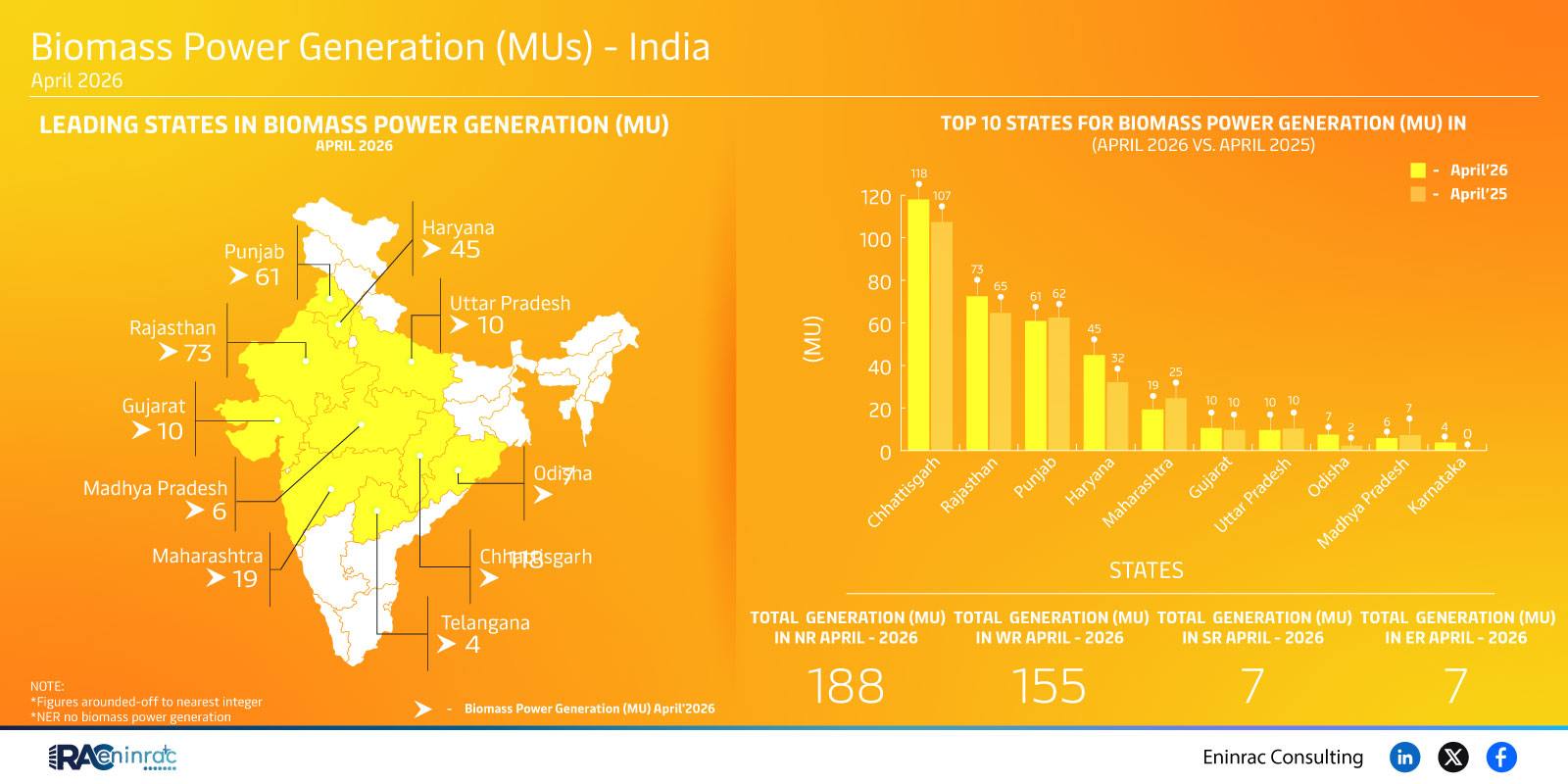
Biomass power generation is a critical component of India's renewable energy mix, providing clean electricity while supporting agricultural waste utilization. This article examines the latest April 2026 data on biomass generation across Indian states, compares it with April 2025, and highlights the leading regions driving growth.
What Does the Data Reveal About This Topic?
The data shows a clear upward trend in biomass power generation, with several states increasing output year‑on‑year. The question is: which states are leading the surge and what factors contribute to their performance? The answer lies in policy support, feedstock availability, and investment in modern biomass plants.
State‑wise Performance and Year‑on‑Year Changes
In April 2026, Haryana topped the list with 120 MU, up from 107 MU in April 2025, reflecting strong state incentives. Punjab followed with 45 MU, while Uttar Pradesh reported 73 MU. Rajasthan showed modest growth to 10 MU, and Gujarat reached 20 MU. Madhya Pradesh and Telangana also contributed notable figures, though exact numbers were unclear in the raw text. Overall, the top ten states collectively added approximately 30 % more generation capacity compared with the previous year.
Impact on Sectors and Industries
Higher biomass generation benefits the agricultural sector by creating a market for crop residues, reduces waste burning, and improves air quality. Energy investors see lower risk due to stable feedstock supply, while policymakers gain a reliable tool for meeting renewable targets. Industries such as cement and sugar also benefit from reduced reliance on fossil fuels.
Key Takeaways
- Haryana leads biomass generation with 120 MU, a 12 % increase YoY.
- Punjab and Uttar Pradesh remain strong contributors, showing steady growth.
- Overall top‑ten states added roughly 30 % more biomass capacity in April 2026.
- Policy incentives and feedstock availability are primary growth drivers.
- Increased biomass use supports waste management and air‑quality goals.
- Investors gain confidence from the expanding renewable biomass market.
FAQs
Which state generated the most biomass power in April 2026?
Haryana, with 120 megawatts of generation.
How much did biomass generation grow compared to April 2025?
The top ten states collectively grew by about 30 %.
What factors are driving biomass growth in India?
State incentives, abundant agricultural residues, and investment in modern plants.
Does increased biomass generation affect air quality?
Yes, it reduces open burning of crop waste, improving regional air quality.
Are there risks for investors in biomass projects?
Risks are limited due to stable feedstock supply and supportive government policies.