
Introduction
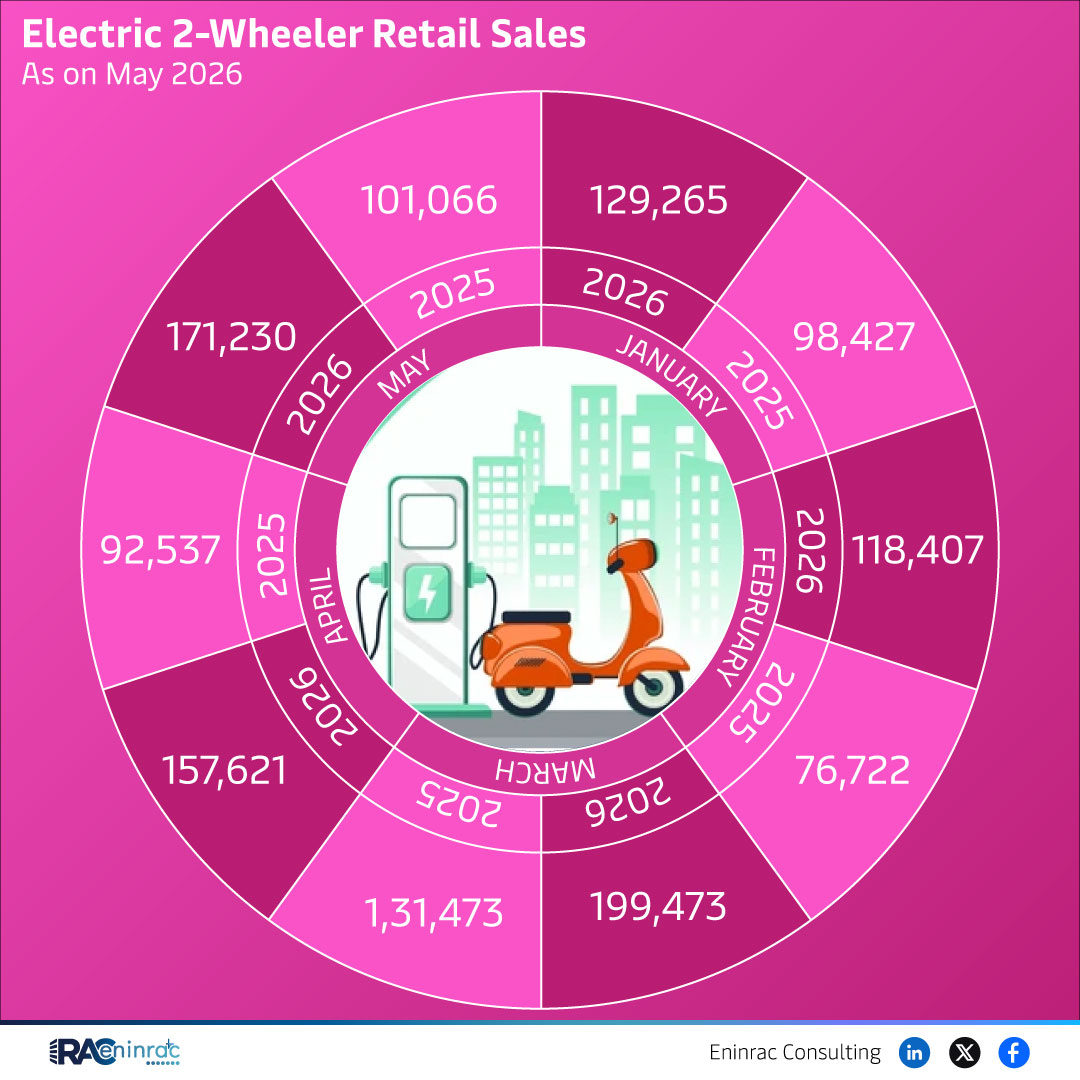
The electric two‑wheeler market in India recorded notable retail sales figures as of May 2026. Understanding these numbers helps manufacturers, investors, and policymakers gauge demand trends, plan production, and shape sustainable mobility strategies.
What Does the Data Reveal About This Topic?
The raw data shows three cumulative sales milestones: 101,066 units, 129,265 units, and a total of 199,473 units sold by May 2026. This indicates a rapid acceleration in consumer adoption of electric scooters and motorcycles during the first half of the year.
Sales Growth Pattern Across the First Five Months
Comparing the three figures suggests a steady month‑over‑month increase. The jump from 101,066 to 129,265 units represents a 27.9% rise, while the final total of 199,473 units reflects a 96.5% increase from the initial count. The surge aligns with government incentives, expanding charging infrastructure, and heightened environmental awareness.
Impact on Sectors and Industries
Higher electric two‑wheeler sales stimulate demand for battery manufacturers, component suppliers, and charging network operators. They also influence energy distribution firms that must manage increased load on the grid. Investors view the trend as a signal to allocate capital toward clean‑tech ventures, while policymakers can justify stronger subsidies and urban planning that favors low‑emission transport.
Key Takeaways
- Retail sales reached nearly 200,000 units by May 2026, showing strong market momentum.
- Month‑over‑month growth exceeded 25%, highlighting rapid consumer acceptance.
- Government incentives and expanding charging infrastructure are key drivers.
- Battery and component supply chains are experiencing heightened demand.
- Energy distribution networks must adapt to increased electricity consumption.
- Investors are increasingly targeting electric two‑wheeler manufacturers and related technologies.
FAQs
What caused the sharp rise in electric two‑wheeler sales in early 2026?
Subsidies, lower vehicle costs, and a growing network of public chargers encouraged more buyers to switch to electric models.
Which regions contributed most to the sales surge?
Major metropolitan areas such as Delhi, Mumbai, and Bangalore led the growth due to higher income levels and better charging infrastructure.
How does this sales growth affect battery manufacturers?
Increased demand accelerates production schedules, prompting manufacturers to expand capacity and invest in advanced lithium‑ion technologies.
Will the grid be able to handle the additional load?
Utilities are planning upgrades and smart‑grid solutions to manage the higher electricity consumption from charging stations.
What should investors watch for in the electric two‑wheeler market?
Key indicators include policy changes, battery cost trends, and the rollout speed of charging networks.