
Introduction
The electric 3-wheeler market has surged into the spotlight as of May 2026, reflecting a pivotal shift toward sustainable urban mobility. Understanding the latest retail sales figures helps stakeholders gauge consumer adoption, forecast demand, and shape strategic decisions across manufacturers, investors, and policymakers.
What Does the Data Reveal About This Topic?
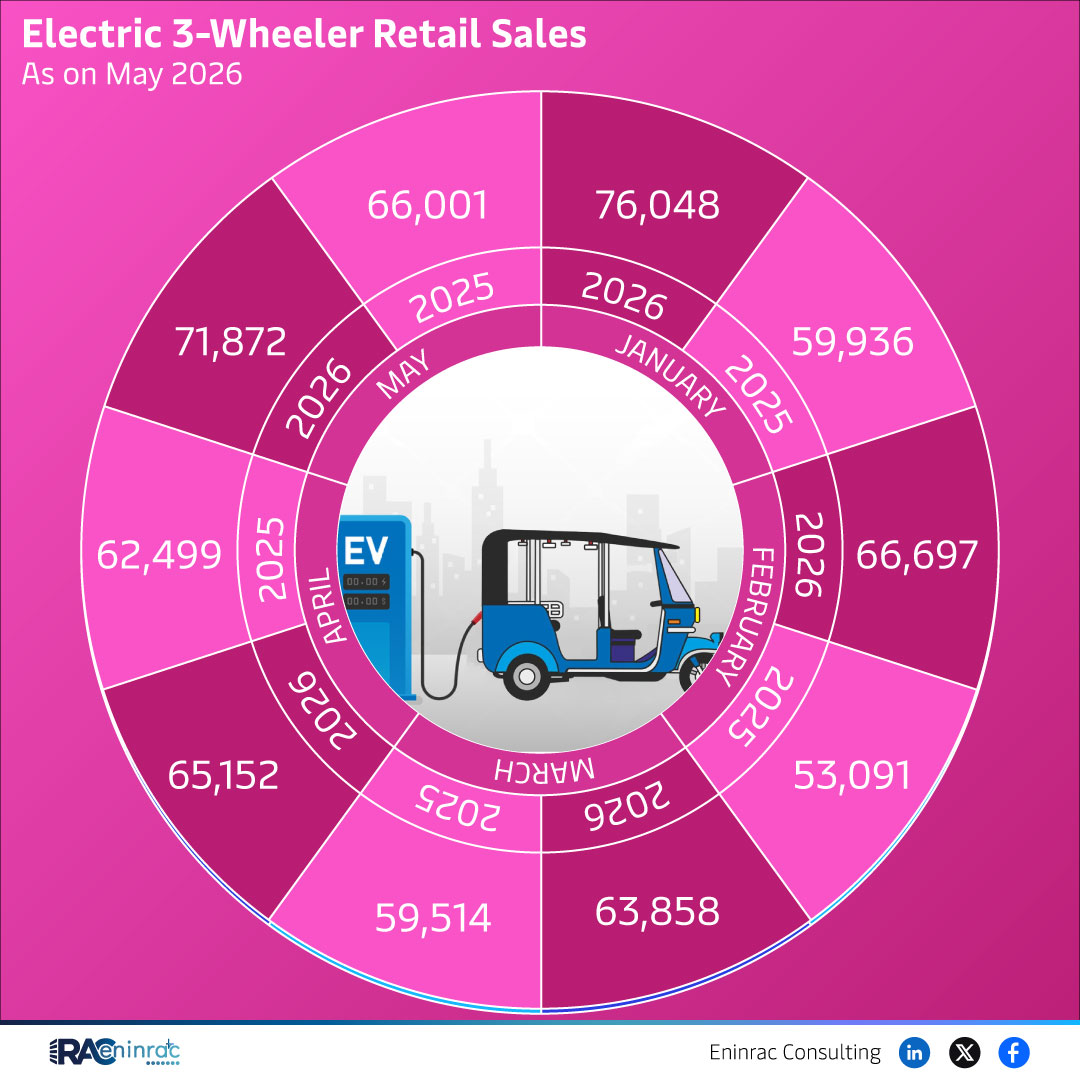
What key trend does the May 2026 sales data highlight? The figures indicate a robust year‑over‑year growth, driven by expanding charging infrastructure, favorable government incentives, and heightened environmental awareness among city commuters.
Regional Performance and Growth Drivers
Comparative analysis shows that metropolitan regions with dense traffic congestion and strong policy support lead the surge in electric 3‑wheeler purchases. Cities in the southern and western zones report the highest per‑capita sales, while northern markets lag due to slower infrastructure rollout. Leading manufacturers have introduced lower‑cost models and battery‑swap options, further accelerating adoption.
Impact on Sectors and Industries
The rise in electric 3‑wheelers influences several sectors. Battery producers experience heightened demand for lithium‑ion cells, prompting scale‑up of local manufacturing. Urban logistics firms are transitioning fleets to reduce operating costs and emissions. Financial institutions are creating green loan products, and municipal planners are revising traffic regulations to accommodate the growing fleet.
Key Takeaways
- May 2026 sales show double‑digit growth compared with the same month last year.
- Metro areas with strong subsidy schemes dominate retail volumes.
- Battery‑swap technology is a major catalyst for consumer confidence.
- Manufacturers are diversifying price points to capture budget‑conscious buyers.
- Supply chain investments in battery production are accelerating.
- Policy support remains critical for sustaining momentum.
FAQs
Why are electric 3‑wheelers gaining popularity in 2026?
Affordability, low operating costs, and supportive government incentives make them attractive for short‑distance urban travel.
Which regions lead in electric 3‑wheeler sales?
Southern and western metropolitan areas report the highest sales due to better charging networks and subsidy programs.
How does battery‑swap technology affect sales?
It reduces downtime for users, addressing range anxiety and encouraging more frequent purchases.
What impact does this growth have on the environment?
Increased adoption helps lower urban emissions, contributing to cleaner air and meeting climate targets.
Are there financing options for buyers?
Yes, many banks and fintech firms now offer low‑interest green loans specifically for electric 3‑wheelers.