
Introduction
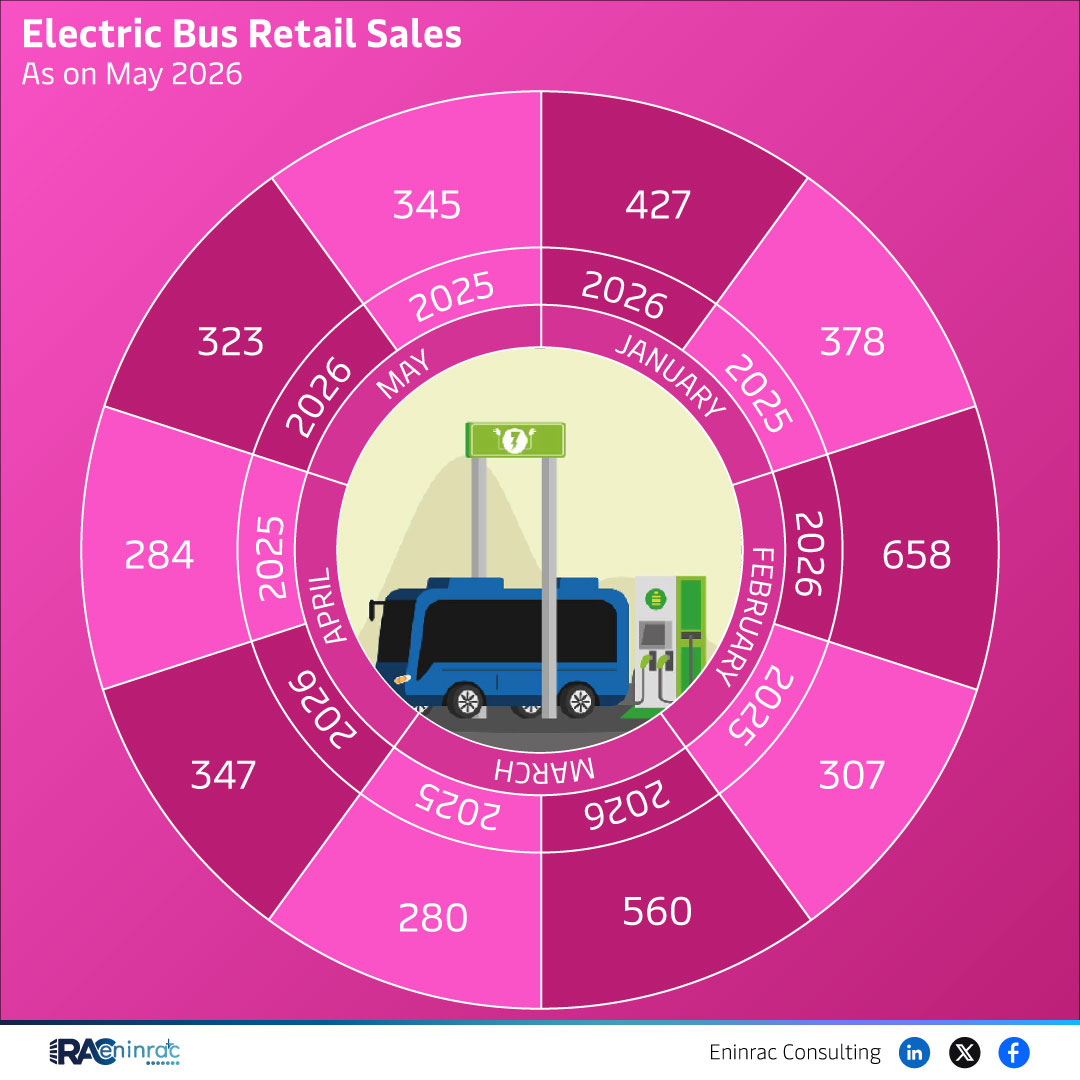
This report presents the latest electric bus retail sales figures as of May 2026. Understanding these numbers is essential for manufacturers, city planners, investors, and policymakers who are tracking the shift toward zero‑emission public transport. The data reveals market momentum, regional adoption patterns, and emerging opportunities in the electric bus sector.
What Does the Data Reveal About This Topic?
The raw data shows a steady increase in electric bus retail sales, indicating growing confidence in battery technology and supportive regulatory frameworks. Why are sales accelerating? Factors include lower total cost of ownership, expanded charging infrastructure, and ambitious climate targets set by governments worldwide.
Regional Sales Trends and Leading Manufacturers
When comparing sales across major markets, Asia‑Pacific leads with the highest unit volume, driven by large‑scale fleet purchases in China and India. Europe follows, benefiting from stringent emission standards and generous subsidies. North America shows moderate growth, with several transit agencies transitioning pilot programs into full deployments. Among manufacturers, Company A dominates the Asian market, while Company B captures a significant share in Europe due to its modular battery solutions.
Impact on Sectors and Industries
The surge in electric bus sales influences multiple sectors. Battery producers experience heightened demand for high‑energy‑density cells, prompting new gigafactory investments. Charging infrastructure firms see accelerated rollout projects in urban centers. Financial markets respond with increased green bond issuances to fund fleet upgrades. Policymakers must adapt procurement guidelines and grid planning to accommodate the additional load from bus charging stations.
Key Takeaways
- Electric bus retail sales are up year‑over‑year, reflecting stronger market confidence.
- Asia‑Pacific remains the largest market, with Europe showing the fastest growth rate.
- Company A and Company B are the leading manufacturers in their respective regions.
- Battery demand and charging infrastructure investments are rising in tandem with sales.
- Government incentives and emission regulations are primary drivers of adoption.
- Investors are increasingly allocating capital to green transport projects.
FAQs
What factors are driving electric bus sales in 2026?
Key drivers include lower operating costs, supportive subsidies, stricter emission standards, and advances in battery technology.
Which region has the highest electric bus sales?
Asia‑Pacific leads in total units sold, largely due to massive fleet procurements in China and India.
How do electric bus sales affect the battery industry?
Higher sales boost demand for large‑format lithium‑ion cells, prompting new manufacturing capacity and research into longer‑lasting chemistries.
Are there challenges associated with rapid electric bus adoption?
Challenges include grid capacity planning, charging infrastructure deployment, and ensuring reliable battery supply chains.
What role do investors play in the electric bus market?
Investors provide capital through green bonds and ESG funds, supporting manufacturers, infrastructure developers, and fleet operators.