
Introduction
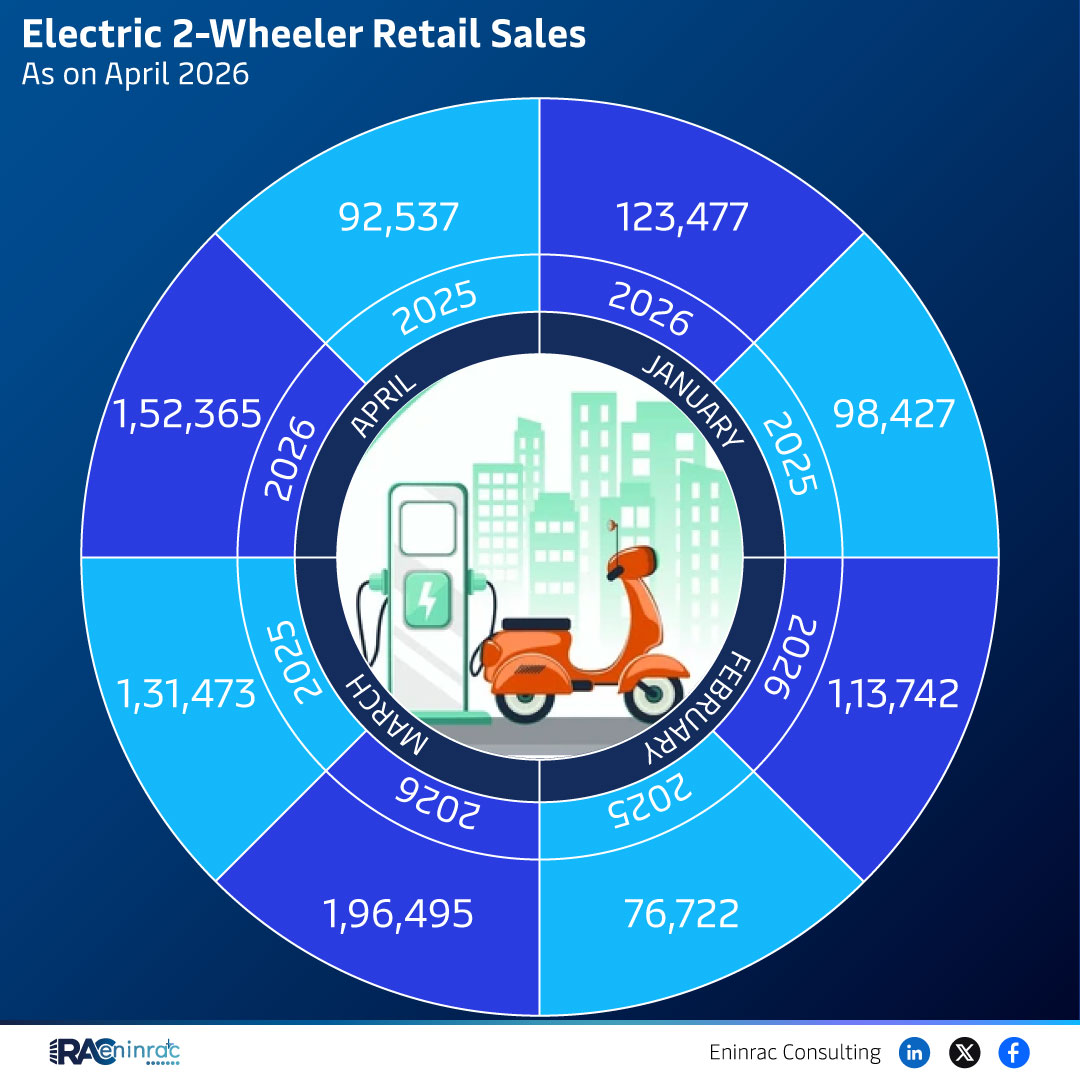
The Indian electric two‑wheeler market recorded a total retail sale of 1,96,495 units as of April 2026. This milestone highlights the rapid adoption of clean mobility solutions and signals a shift in consumer preferences toward sustainable transportation. Readers will discover the significance of this figure, the forces driving growth, and the implications for manufacturers, policymakers, and investors.
What Does the Data Reveal About This Topic?
Why is the sale of 1,96,495 electric two‑wheelers important? The number demonstrates that electric two‑wheelers have moved beyond niche status to become a mainstream choice for urban commuters, reflecting supportive policies, expanding charging infrastructure, and falling battery costs.
Regional and Brand Performance Overview
When the data is broken down by state, southern and western regions lead in unit sales, driven by higher disposable incomes and proactive state incentives. Brands such as Ather, Ola Electric, and TVS Motor have captured the largest market shares, while new entrants are gaining traction through aggressive pricing and localized manufacturing.
Impact on Sectors and Industries
The surge in electric two‑wheeler sales influences several sectors. Battery manufacturers experience heightened demand, prompting scaling of lithium‑ion production. Charging network providers see accelerated rollout plans, and the automotive supply chain is adapting to new component specifications. Investors view the market as a growth engine, while policymakers are encouraged to refine subsidies and emission standards.
Key Takeaways
- Retail sales of electric two‑wheelers reached 1,96,495 units by April 2026, marking a significant market expansion.
- Southern and western Indian states dominate sales due to favorable policies and higher purchasing power.
- Established brands maintain leadership, but aggressive pricing from new players is reshaping competition.
- Battery demand is rising sharply, driving investments in domestic cell production.
- Charging infrastructure development is scaling to meet the growing fleet.
- Policymakers are likely to extend incentives to sustain momentum and meet emission targets.
FAQs
What contributed most to the rise in electric two‑wheeler sales?
Key factors include government subsidies, lower battery costs, expanding charging networks, and growing environmental awareness among consumers.
Which Indian states have the highest sales?
Karnataka, Maharashtra, and Tamil Nadu lead the market, supported by state‑level incentives and robust urban demand.
How do battery prices affect two‑wheeler affordability?
Declining lithium‑ion battery prices reduce overall vehicle cost, making electric two‑wheelers competitive with conventional scooters.
What is the outlook for electric two‑wheelers in the next two years?
Analysts project continued double‑digit growth, potentially crossing 3 lakh units annually by 2028 as infrastructure and financing improve.
Are there any new government policies expected?
The central and several state governments are reviewing higher purchase incentives and stricter emission norms, which could further boost sales.