
Introduction
This article examines recent electricity consumption figures, focusing on total usage, heavy‑duty power consumption, and electricity demand at electric‑vehicle (EV) charging stations. Understanding these numbers helps utilities, policymakers, and investors gauge grid stress, plan infrastructure upgrades, and promote sustainable energy solutions.
What Does the Data Reveal About This Topic?
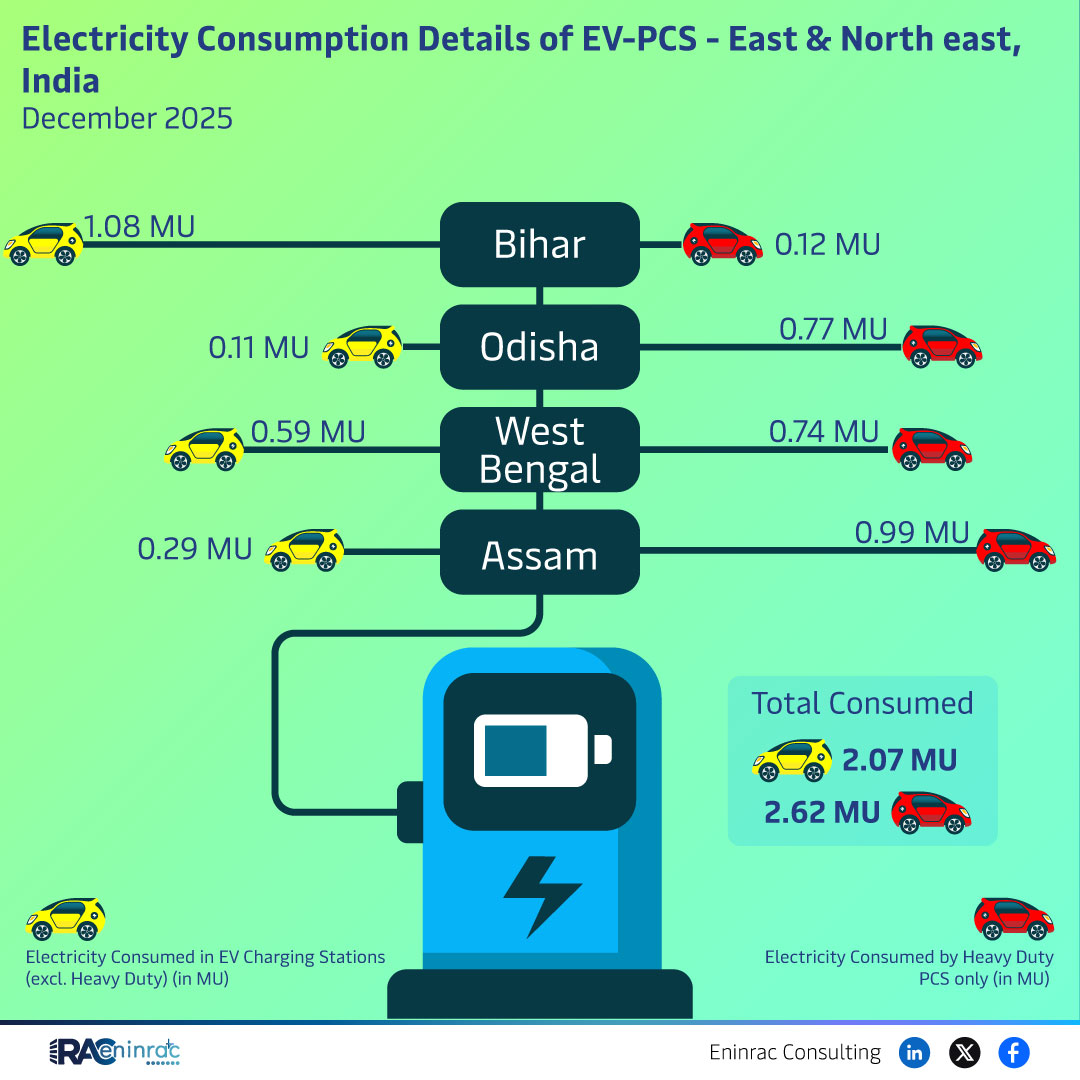
The raw data shows a total consumption of 2.07 million units (MU) with an additional 2.62 MU recorded for a specific quarter (Qa). Heavy‑duty power consumption is measured separately for PCS (Power Conversion Systems) only, while EV charging stations account for a distinct portion of electricity use, excluding heavy‑duty loads. This split highlights how different sectors contribute to overall demand.
Comparative Analysis of Heavy‑Duty PCS and EV Charging Consumption
Heavy‑duty PCS consumption typically spikes during industrial operations, reflecting high‑power equipment needs. In contrast, EV charging stations, though growing rapidly, still represent a smaller share of total demand when heavy‑duty loads are excluded. The data suggests that while EV adoption is accelerating, heavy‑duty industrial usage remains the dominant driver of peak loads.
Impact on Sectors and Industries
Utilities must balance the rising demand from EV infrastructure with the steady, high‑intensity load from heavy‑duty PCS. Grid operators need to invest in flexible transmission and distribution assets to avoid bottlenecks. Policymakers can use these insights to design incentives that encourage off‑peak EV charging, reducing strain on the grid. Investors see opportunities in smart‑charging technologies and advanced PCS solutions that improve efficiency.
Key Takeaways
- Total electricity consumption stands at 2.07 MU with a quarterly figure of 2.62 MU.
- Heavy‑duty PCS consumption is a significant portion of overall demand.
- EV charging stations contribute a growing but still secondary share of electricity use.
- Balancing heavy‑duty and EV loads is essential for grid reliability.
- Off‑peak charging incentives can mitigate peak demand pressures.
- Investments in flexible distribution and smart‑charging infrastructure are critical.
FAQs
What is the meaning of MU in electricity consumption?
MU stands for million units, a standard metric for large‑scale electricity measurement.
Why is heavy‑duty PCS consumption tracked separately?
Heavy‑duty PCS represents industrial power conversion that has distinct load patterns from residential or commercial use.
How does EV charging affect overall grid demand?
EV charging adds incremental demand, especially during peak travel times, but can be managed with smart‑charging strategies.
What strategies can reduce peak load from heavy‑duty equipment?
Implementing demand‑response programs, upgrading to more efficient PCS, and scheduling operations during off‑peak hours help lower peaks.
Are there incentives for off‑peak EV charging?
Many utilities offer time‑of‑use rates that reward EV owners for charging during low‑demand periods.