
Introduction
This article examines recent electricity consumption figures for heavy‑duty power conversion systems (PCS) and electric vehicle (EV) charging stations. Understanding these numbers helps utilities, policymakers, and investors gauge demand trends, plan infrastructure upgrades, and assess the impact of emerging clean‑energy technologies.
What Does the Data Reveal About This Topic?
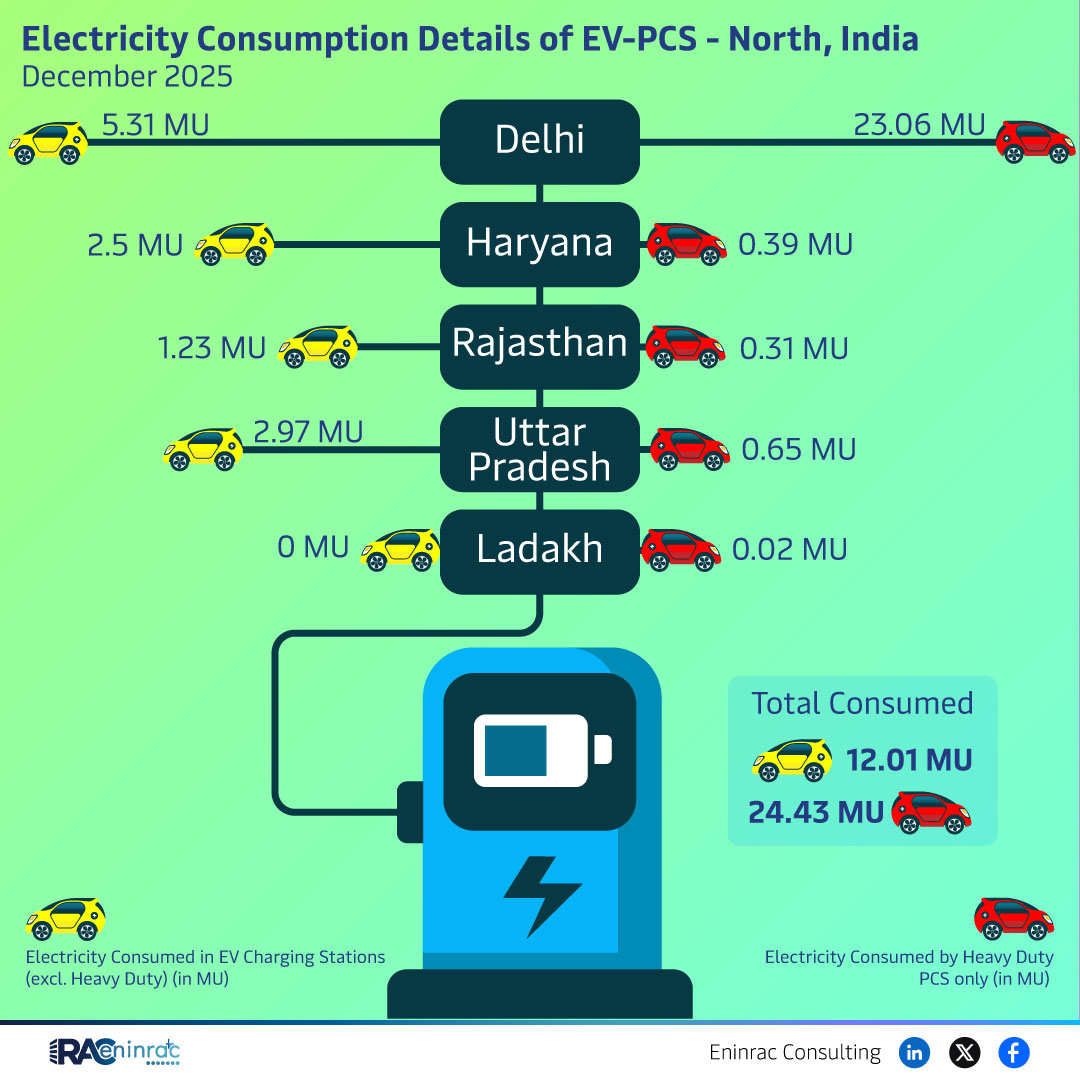
The raw data shows a total consumption of 235.06 MUg, with heavy‑duty PCS accounting for 12.01 MU and EV charging stations (excluding heavy duty) using 24.43 MU. These figures highlight that EV charging is already a significant load, while heavy‑duty PCS still represents a smaller but growing share of overall electricity use.
Comparative Analysis of Heavy‑Duty PCS vs EV Charging Consumption
When comparing the two segments, EV charging stations consume roughly double the electricity of heavy‑duty PCS. This suggests that the rapid adoption of electric vehicles is accelerating demand on the grid faster than traditional industrial loads. Regions with higher EV penetration will likely see steeper increases in peak demand, requiring targeted grid reinforcement.
Impact on Sectors and Industries
Utilities must expand capacity and integrate smart‑grid solutions to accommodate rising EV loads while maintaining reliability for heavy‑duty operations. Investors in renewable generation see new opportunities to supply clean power to both sectors. Policymakers can use these insights to design incentives that balance EV infrastructure growth with support for heavy‑duty electrification, ensuring a sustainable transition.
Key Takeaways
- Overall electricity consumption recorded at 235.06 MUg.
- Heavy‑duty PCS consumes 12.01 MU, representing a modest portion of total demand.
- EV charging stations (excluding heavy duty) consume 24.43 MU, double the heavy‑duty PCS load.
- EV charging growth is outpacing traditional heavy‑duty electricity use.
- Grid operators need to prioritize capacity upgrades in high‑EV‑adoption areas.
- Policy and investment strategies should address both EV and heavy‑duty electrification for balanced energy transition.
FAQs
Why is EV charging consumption higher than heavy‑duty PCS?
EV adoption is accelerating faster than the rollout of heavy‑duty electrification projects, leading to a larger aggregate load from public and private charging stations.
What challenges do utilities face with rising EV demand?
Utilities must manage peak demand spikes, upgrade distribution infrastructure, and integrate renewable sources to meet the increased load without compromising reliability.
How can heavy‑duty PCS efficiency be improved?
Implementing advanced power electronics, adopting higher efficiency converters, and optimizing operational schedules can reduce the electricity required for heavy‑duty processes.
What role do policymakers play in balancing these loads?
Policymakers can create incentives for off‑peak EV charging, support research in high‑efficiency PCS technology, and fund grid modernization projects.
Are there renewable options for powering EV stations and heavy‑duty PCS?
Yes, solar, wind, and battery storage can be integrated to supply clean energy, reducing reliance on fossil‑based generation and lowering overall emissions.