
Introduction
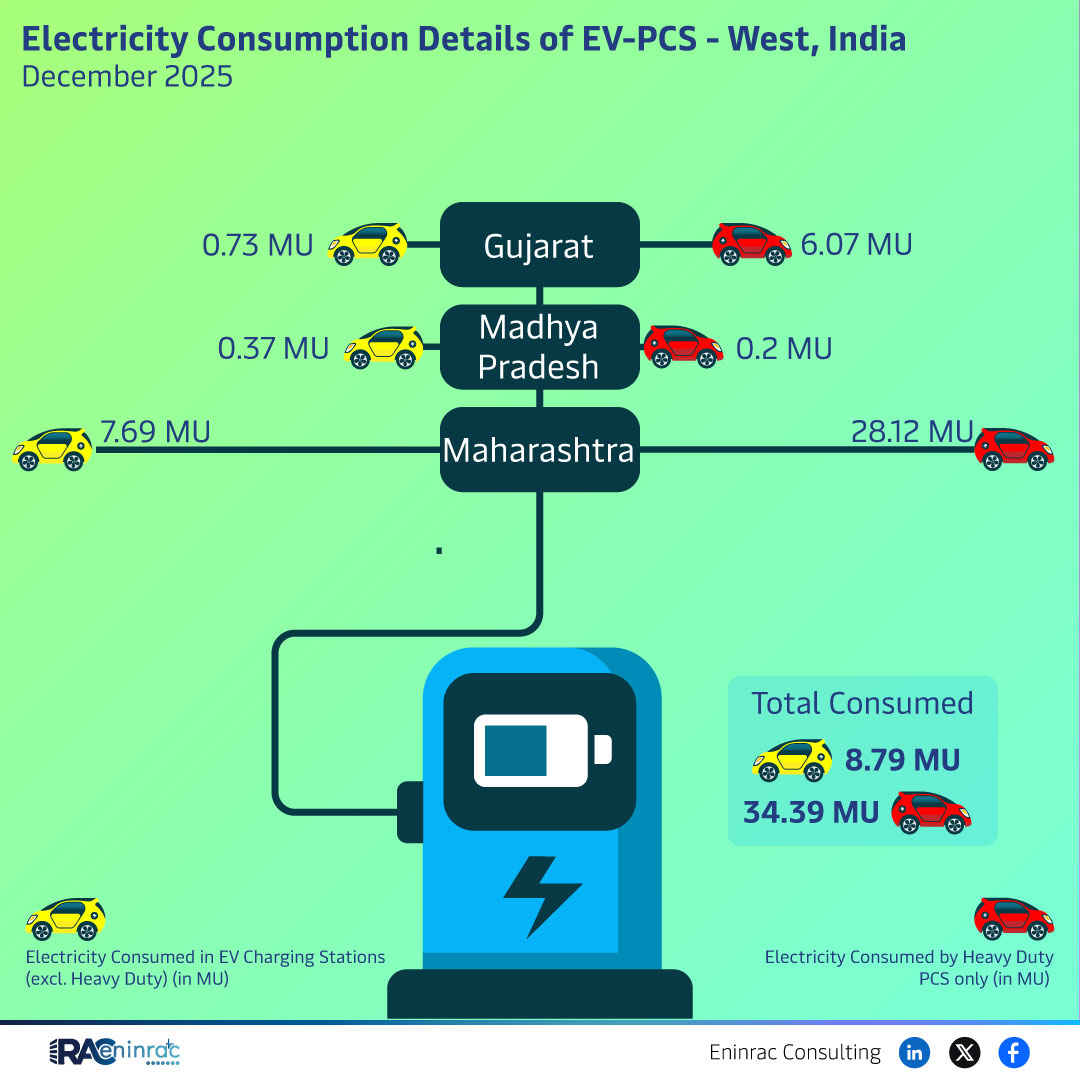
The 2025 electricity consumption data for electric vehicle (EV) public charging stations (PCS) in western India highlights the growing demand for clean mobility in Gujarat and Madhya Pradesh. Understanding how much power is used by heavy‑duty PCS versus regular EV chargers helps policymakers, investors, and industry players gauge the pace of EV adoption and plan infrastructure upgrades.
What Does the Data Reveal About This Topic?
What are the total electricity needs of EV charging stations in Gujarat and Madhya Pradesh? The raw figures show a combined total consumption of 8.79 MU, with Gujarat accounting for 34.39 MU of heavy‑duty PCS usage and the remainder split between regular EV chargers. This indicates that heavy‑duty vehicles, such as electric buses and trucks, are a significant driver of electricity demand in the region.
Regional Consumption Patterns and Heavy‑Duty Impact
Gujarat leads the western corridor with the highest heavy‑duty PCS consumption at 34.39 MU, dwarfing the overall 8.79 MU total reported for the broader area. Madhya Pradesh’s contribution is comparatively modest, suggesting differing levels of fleet electrification and charging infrastructure maturity. The disparity points to Gujarat’s aggressive rollout of electric buses and commercial fleets, while Madhya Pradesh may still be in early adoption stages.
Impact on Sectors and Industries
These consumption trends affect multiple stakeholders. Utilities must expand transmission and distribution capacity to accommodate peak loads from heavy‑duty chargers. Automotive manufacturers see a clear market signal for electric commercial vehicles. Investors are encouraged to fund charging networks, especially in Gujarat where demand is proven. Policymakers can use this data to design incentives that balance heavy‑duty and passenger EV growth, ensuring grid reliability and sustainable expansion.
Key Takeaways
- Gujarat dominates heavy‑duty EV charging consumption in western India.
- Heavy‑duty PCS use far exceeds regular EV charging demand.
- Madhya Pradesh shows lower consumption, indicating early‑stage adoption.
- Infrastructure planning must prioritize high‑load areas to avoid grid stress.
- Investors should target Gujarat for charging network projects.
- Policy incentives can accelerate balanced EV growth across states.
FAQs
Why is heavy‑duty EV charging consumption higher than passenger EV charging?
Heavy‑duty vehicles have larger batteries and longer operating hours, requiring more energy per charge.
What does MU stand for in electricity consumption?
MU stands for million units, a metric used to quantify large-scale electricity usage.
How can utilities prepare for increased EV charging demand?
By upgrading grid capacity, deploying smart chargers, and integrating renewable energy sources.
Are there incentives for EV charging infrastructure in Gujarat?
Yes, the state offers subsidies and tax benefits to encourage private investment in charging stations.
What future trends are expected for EV PCS consumption in western India?
Continued growth of electric buses and commercial fleets will likely raise heavy‑duty charging demand further.