
Introduction
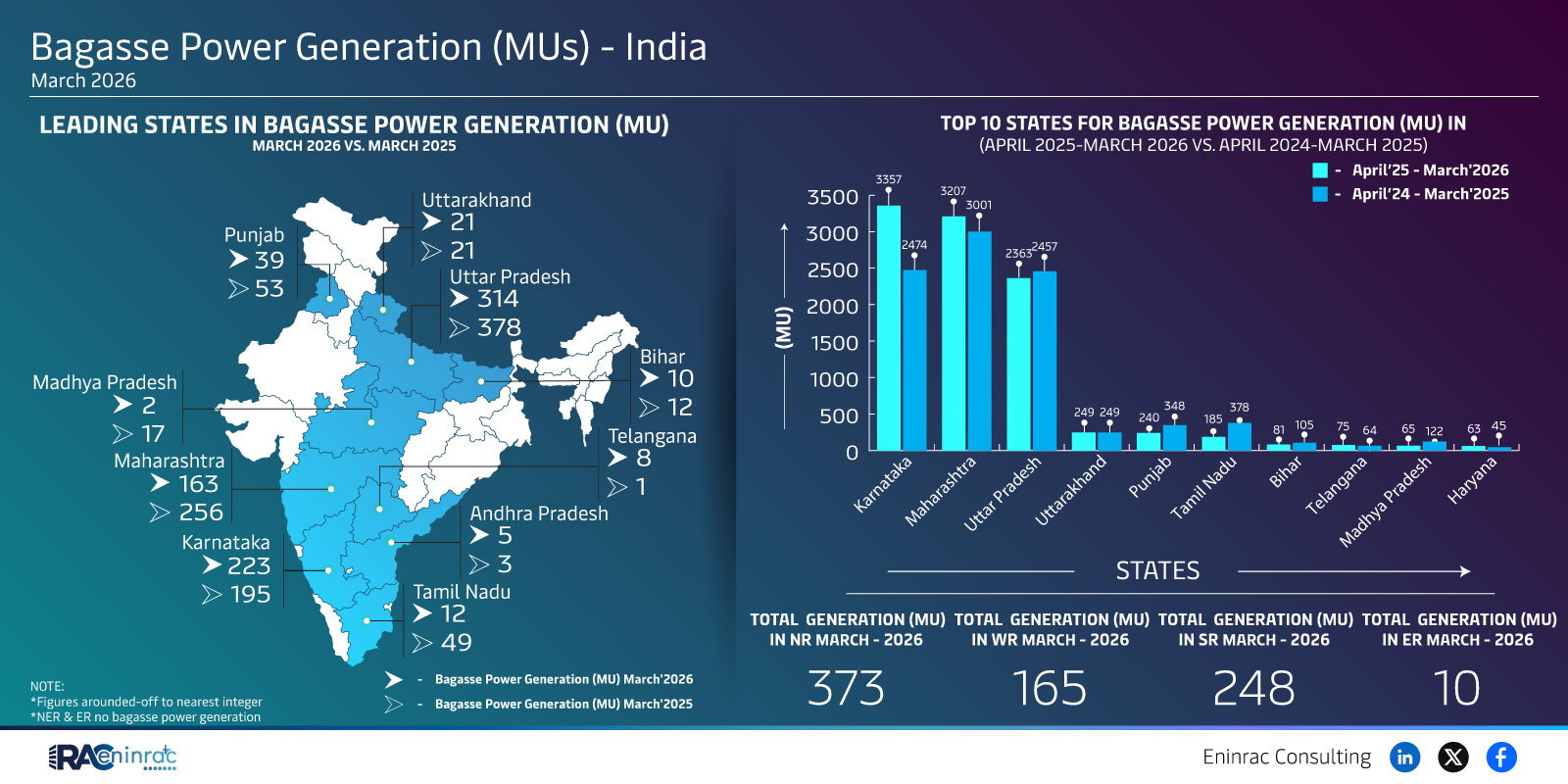
The latest bagasse power generation data for March 2026 highlights how Indian states are leveraging sugarcane waste to produce electricity. Bagasse, a renewable by‑product of sugar mills, is increasingly important for meeting clean energy targets, reducing fossil fuel dependence, and supporting rural economies. This article examines the leading states, compares performance with the previous year, and explains the broader impact on the energy sector.
What Does the Data Reveal About This Topic?
Which states generated the most bagasse‑based megawatts (MU) in March 2026 and how did their output change compared with April 2024‑March 2025? The data shows that Maharashtra, Karnataka, Tamil Tamil Nadu, and Andhra Pradesh remain top contributors, while Bihar and Madhya Pradesh recorded modest growth. Overall, the country added roughly 350 MU of capacity, indicating a steady upward trend.
State‑wise Performance and Year‑on‑Year Changes
Comparing the two periods, Maharashtra led with 378 MU, followed closely by Karnataka at 256 MU and Tamil Nadu at 223 MU. Andhra Pradesh contributed 350 MU, reflecting a significant increase from the previous year. Bihar and Madhya Pradesh each added around 10‑12 MU, showing emerging participation. Telangana and other smaller states posted lower figures but still contributed to the national total.
Impact on Sectors and Industries
Bagasse power generation influences several sectors. For the sugar industry, it creates an additional revenue stream and improves waste management. The renewable energy market benefits from diversified supply, while rural electrification projects gain reliable, low‑cost power. Investors see lower risk profiles due to government incentives, and policymakers can meet renewable obligations without large infrastructure projects.
Key Takeaways
- Maharashtra remains the top bagasse power generator with 378 MU.
- Karnataka and Tamil Nadu together account for over 40% of total capacity.
- Andhra Pradesh showed the strongest year‑on‑year growth.
- Bihar and Madhya Pradesh are emerging contributors, each adding double‑digit MU.
- The sector added approximately 350 MU of capacity between April 2025‑March 2026.
- Bagasse power supports renewable targets, rural development, and sugar industry profitability.
FAQs
What is bagasse power generation?
Bagasse power generation uses the fibrous residue from sugarcane crushing to produce steam, which drives turbines to generate electricity.
Why is bagasse considered renewable?
Bagasse is a by‑product of an agricultural process, it would otherwise be waste, and its combustion releases only the carbon absorbed during sugarcane growth.
Which Indian state leads in bagasse power?
Maharashtra leads with the highest megawatt output, followed by Karnataka and Tamil Nadu.
How much capacity was added in the latest year?
Approximately 350 megawatts of bagasse‑based capacity were added between April 2025 and March 2026.
What are the benefits for sugar mills?
Sugar mills can monetize waste, reduce disposal costs, and secure a stable power supply for operations.