
Introduction
Biomass power generation is a growing segment of India's renewable energy mix. The latest data for April 2025‑March 2026 shows which states are leading the expansion, how generation volumes have shifted, and why these trends matter for policymakers, investors, and the energy sector.
What Does the Data Reveal About This Topic?
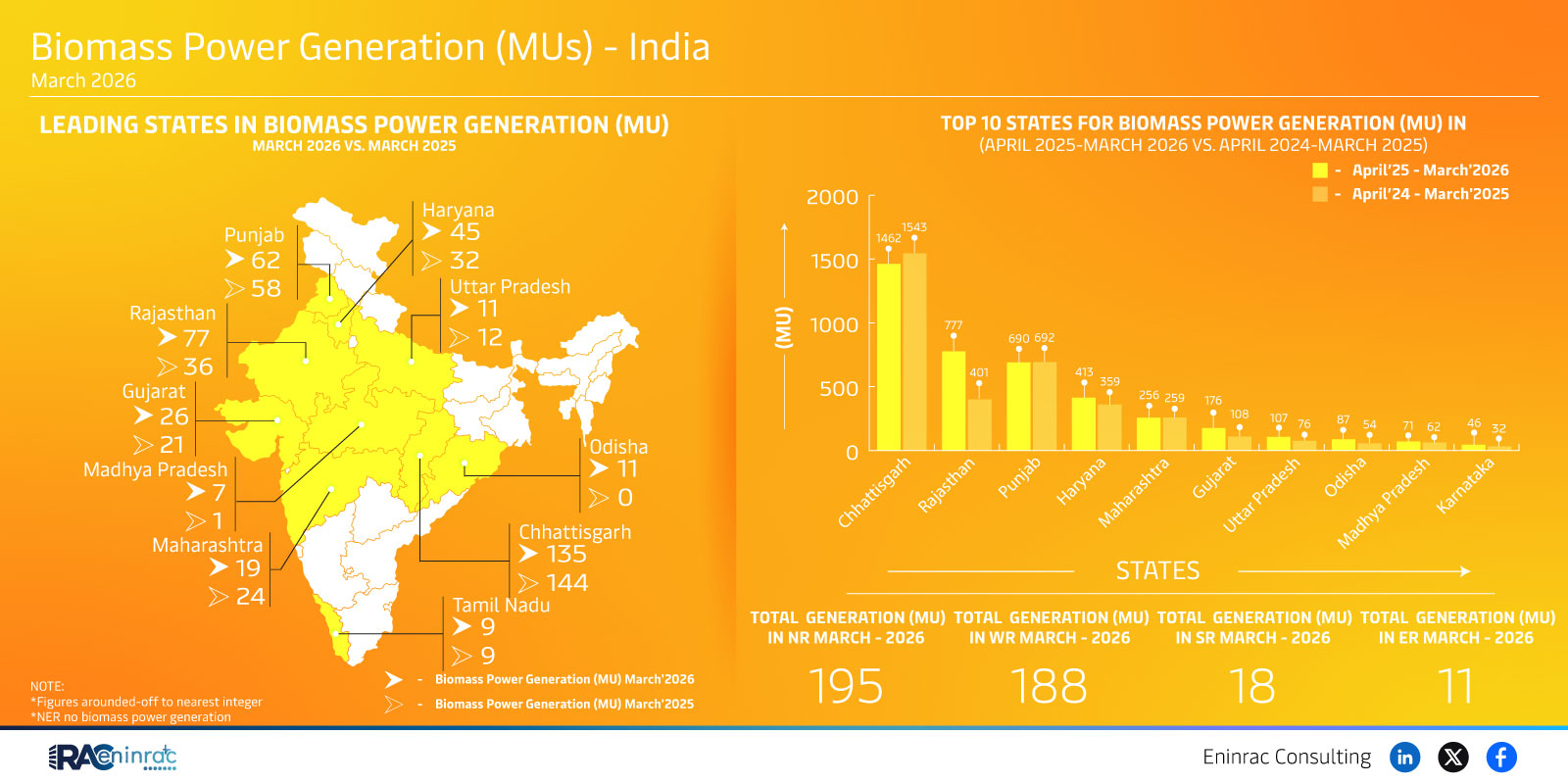
The data highlights a clear ranking of states by megawatt‑hours (MU) produced from biomass. It compares the current year to the previous year, showing where growth is strongest and which regions have plateaued.
State‑by‑State Biomass Generation Comparison
Punjab leads with 45 MU, followed closely by Haryana and Uttar Pradesh. Gujarat and Madhya Pradesh also feature prominently, each contributing significant generation. The comparison indicates that northern states dominate biomass output, while southern states like Tamil Nadu show modest figures. Growth rates vary, with some states increasing generation by over 20 % year‑on‑year, reflecting policy incentives and feedstock availability.
Impact on Sectors and Industries
Higher biomass generation supports rural economies, creates jobs in agricultural waste collection, and reduces reliance on fossil fuels. It also influences the power distribution network, requiring upgrades to handle variable renewable inputs. Investors see biomass as a stable, long‑term asset, while policymakers use the data to allocate subsidies and plan grid integration.
Key Takeaways
- Punjab tops biomass power generation with 45 MU in the latest year.
- Northern states collectively account for the majority of biomass output.
- Several states achieved double‑digit growth compared to the previous year.
- Biomass contributes to energy security and rural development.
- Policy support remains crucial for sustaining growth across all regions.
- Investors are increasingly targeting biomass projects due to stable returns.
FAQs
Which Indian state generated the most biomass power in 2025‑2026?
Punjab, with 45 MU, was the top producer.
How does biomass generation affect rural employment?
It creates jobs in feedstock collection, processing, and plant operation, boosting rural incomes.
What growth trend is seen in northern Indian states?
Northern states show the strongest year‑on‑year increase, driven by supportive policies and abundant agricultural residues.
Why is biomass important for India's renewable energy goals?
Biomass provides a dispatchable renewable source, helping balance the grid and reduce carbon emissions.
Are there any challenges facing biomass power expansion?
Key challenges include feedstock logistics, financing, and the need for grid infrastructure upgrades.