
Introduction
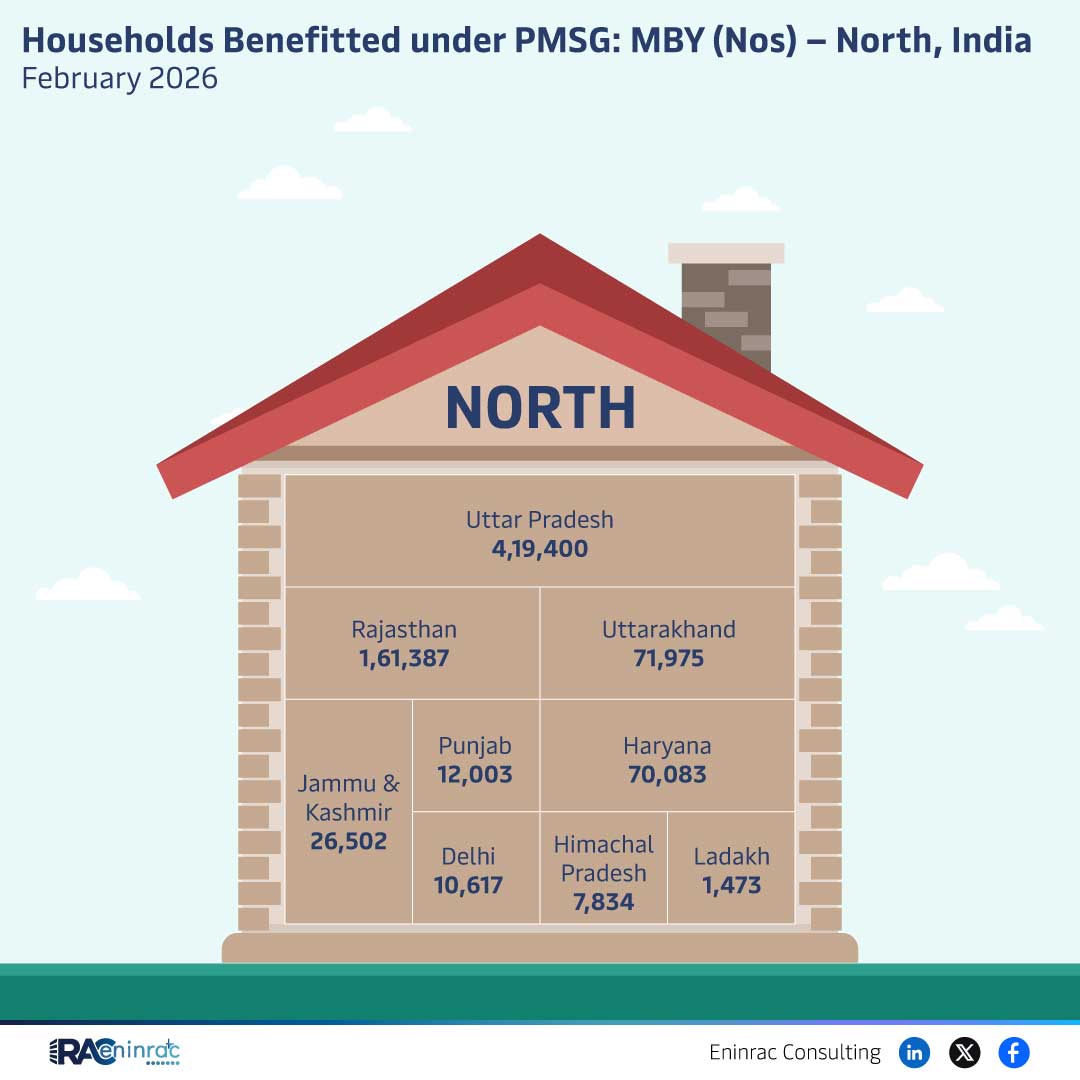
The latest PMSG (Power Management Scheme) data for February 2026 shows how many households in North India have benefitted from the program. Understanding these figures helps policymakers, investors, and citizens gauge the scheme's reach and impact across key states.
What Does the Data Reveal About This Topic?
The data indicates that Uttar Pradesh leads with 419,400 households benefitted, while smaller states like Himachal Pradesh see just 1,473. This disparity highlights regional variations in program implementation and infrastructure readiness.
Regional Distribution of Benefitted Households
Uttar Pradesh dominates the numbers, followed by Rajasthan (161,387) and Punjab (70,083). Jammu & Kashmir and Haryana report modest figures of 12,003 and 10,617 respectively. The low counts in Himachal Pradesh and Uttarakhand suggest limited outreach or slower rollout in mountainous areas.
Impact on Sectors and Industries
Increased household connectivity drives demand for distribution networks, smart meters, and renewable integration. Energy retailers benefit from a larger customer base, while manufacturers of grid equipment see higher sales. Policymakers can use these insights to allocate resources more effectively.
Key Takeaways
- Uttar Pradesh accounts for the highest number of benefitted households.
- Rajasthan and Punjab also show strong participation.
- Mountainous states lag behind in household coverage.
- Data underscores the need for targeted infrastructure investment.
- Improved household access supports broader economic growth.
- Stakeholders can prioritize regions with lower adoption rates.
FAQs
Which state has the most households benefitted under PMSG?
Uttar Pradesh, with 419,400 households.
Why are numbers lower in Himachal Pradesh and Uttarakhand?
Geographic challenges and slower infrastructure rollout limit program reach.
How does increased household coverage affect the energy market?
It expands demand for distribution services, smart devices, and renewable integration.
What can policymakers do to improve coverage in lagging states?
Allocate targeted funding, streamline approvals, and enhance local partnerships.
Is the PMSG data reliable for investment decisions?
Yes, it provides a clear snapshot of regional adoption, useful for strategic planning.