
Introduction
The February 2026 report on the Pradhan Mantri Sahaj Bijli Har Ghar Yojana (PMSG) reveals the number of households that received electricity connections across key eastern Indian states. Understanding these figures is essential for policymakers, investors, and citizens who track rural electrification progress and its socioeconomic impact.
What Does the Data Reveal About This Topic?
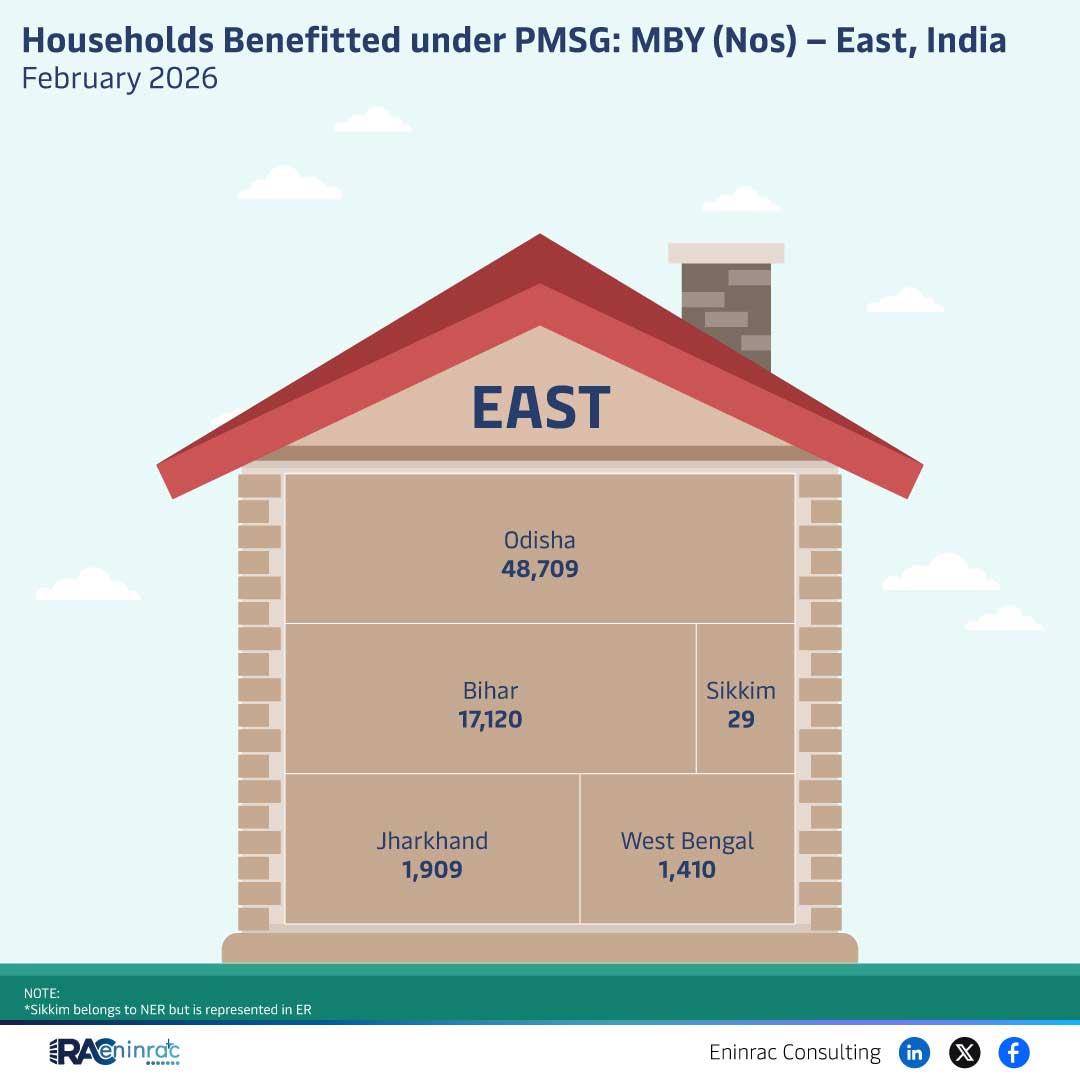
The data shows that Odisha leads with 48,709 households connected, followed by Bihar with 17,120, Jharkhand with 1,909, West Bengal with 1,410, and Sikkim with 29. This distribution highlights regional disparities and the effectiveness of state‑level implementation strategies.
Regional Comparison of PMSG Impact
When comparing the states, Odisha’s connection count dwarfs the others, indicating a strong state‑driven rollout and possibly better infrastructure readiness. Bihar, while far behind Odisha, still shows a substantial effort with over 17,000 households benefitted. The modest numbers in Jharkhand, West Bengal, and Sikkim suggest either logistical challenges or later rollout phases. These differences can guide future resource allocation and targeted interventions.
Impact on Sectors and Industries
Electrification under PMSG directly influences agriculture, small‑scale manufacturing, and education. Reliable power enables farmers to adopt modern irrigation, boosts productivity in rural micro‑enterprises, and extends study hours for students. For investors, the data signals emerging markets for renewable energy solutions and smart‑grid technologies in states with high connection rates.
Key Takeaways
- Odisha tops the list with 48,709 households connected, reflecting effective state execution.
- Bihar follows with 17,120 connections, showing significant progress despite larger population.
- Jharkhand and West Bengal each added fewer than 2,000 households, indicating slower rollout.
- Sikkim’s 29 connections highlight the need for focused outreach in smaller states.
- Regional disparities suggest varying levels of infrastructure readiness and administrative capacity.
- Electrification under PMSG is poised to boost agriculture, education, and rural enterprises across eastern India.
FAQs
Which eastern state had the highest number of households benefitted under PMSG in February 2026?
Odisha, with 48,709 households connected.
How many households were connected in Bihar?
Bihar saw 17,120 households receive electricity connections.
Why are the numbers lower in Jharkhand and West Bengal?
Both states face logistical challenges and may be in later phases of the rollout, resulting in fewer connections.
What is the significance of the 29 households connected in Sikkim?
The small figure highlights the need for targeted programs in smaller or geographically challenging states.
How does increased electrification affect rural economies?
It enables modern farming techniques, supports small businesses, and improves educational outcomes, driving overall economic growth.