
Introduction
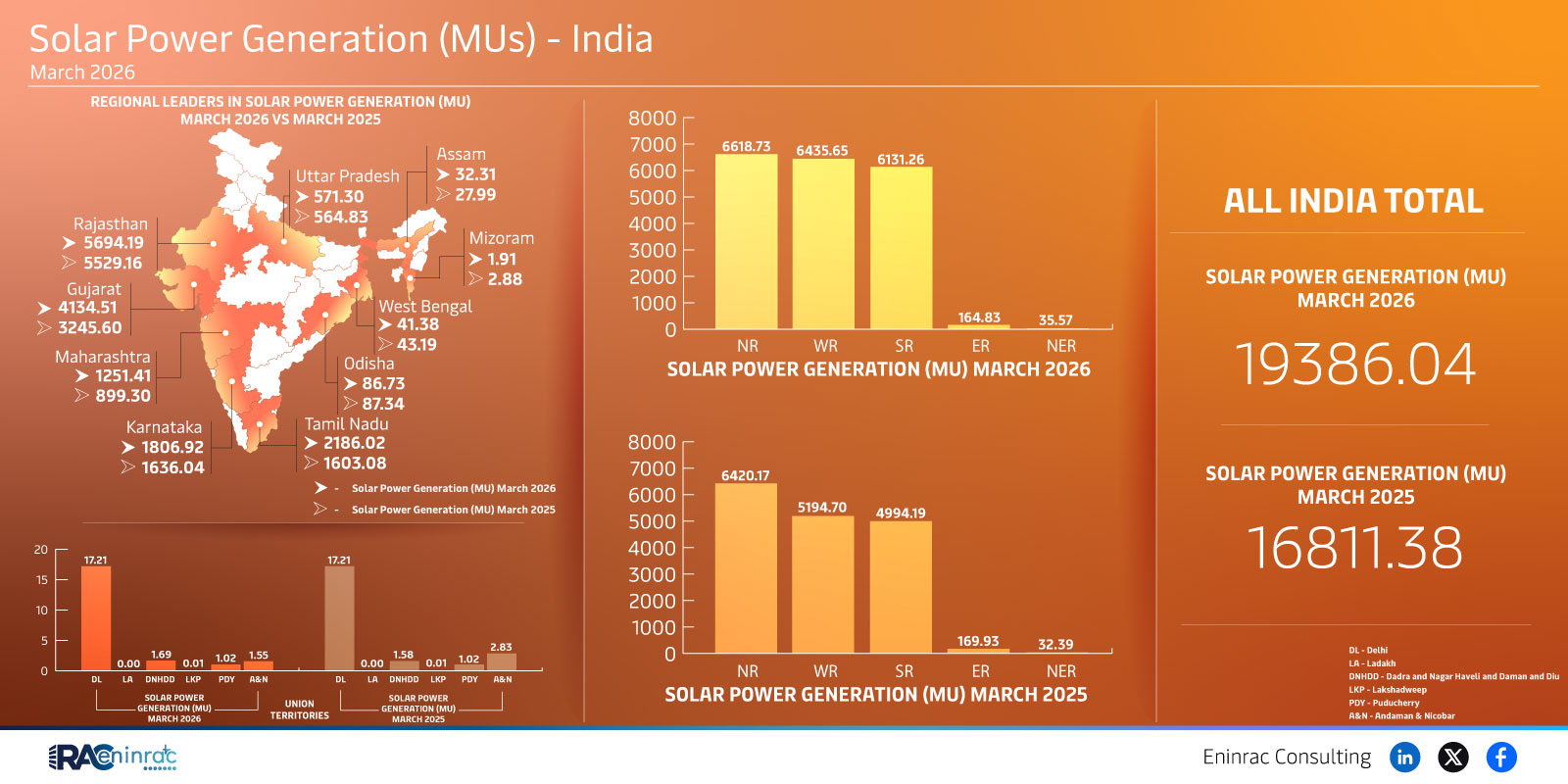
India's solar power generation landscape in March 2026 shows a dynamic shift across states, highlighting where capacity is expanding fastest. Understanding these regional trends helps investors, policymakers, and industry stakeholders gauge growth opportunities and plan future projects.
What Does the Data Reveal About This Topic?
The data indicates that Rajasthan leads with the highest solar generation measured in million units (MUs), followed by Karnataka and other key states. The overall national total reflects a steady climb, confirming India’s commitment to renewable energy targets.
State‑wise Performance and Growth Patterns
Rajasthan tops the chart with approximately 7,000 MUs, showcasing its vast desert potential and aggressive solar park development. Karnataka follows with around 4,000 MUs, leveraging its strong manufacturing ecosystem. Smaller contributors such as Gujarat and Tamil Nadu register between 1,000 and 3,000 MUs, indicating emerging markets that could scale with additional investment.
Impact on Sectors and Industries
Higher solar output reduces reliance on fossil fuels, lowers grid emissions, and creates demand for solar equipment manufacturers, EPC contractors, and financing firms. Utilities benefit from diversified supply, while consumers enjoy more stable electricity rates as solar capacity expands.
Key Takeaways
- Rajasthan remains the leading solar generation state in March 2026.
- Karnataka holds the second position, driven by strong industrial support.
- National solar generation continues its upward trajectory, supporting India’s renewable goals.
- Emerging states show growth potential, attracting future investment.
- Increased solar output positively influences emissions reduction and energy security.
- Stakeholders across finance, manufacturing, and policy can leverage these trends for strategic planning.
FAQs
Which state generated the most solar power in March 2026?
Rajasthan, with roughly 7,000 MUs, led the nation.
How does Karnataka rank in solar generation?
Karnataka is the second‑largest producer, contributing about 4,000 MUs.
What does MU stand for in this context?
MU stands for million units of electricity generated.
Why is solar growth important for India’s energy mix?
It reduces carbon emissions, diversifies supply, and supports energy security.
Can smaller states increase their solar output?
Yes, with targeted investments and supportive policies, states like Gujarat and Tamil Nadu can expand capacity.