
Introduction
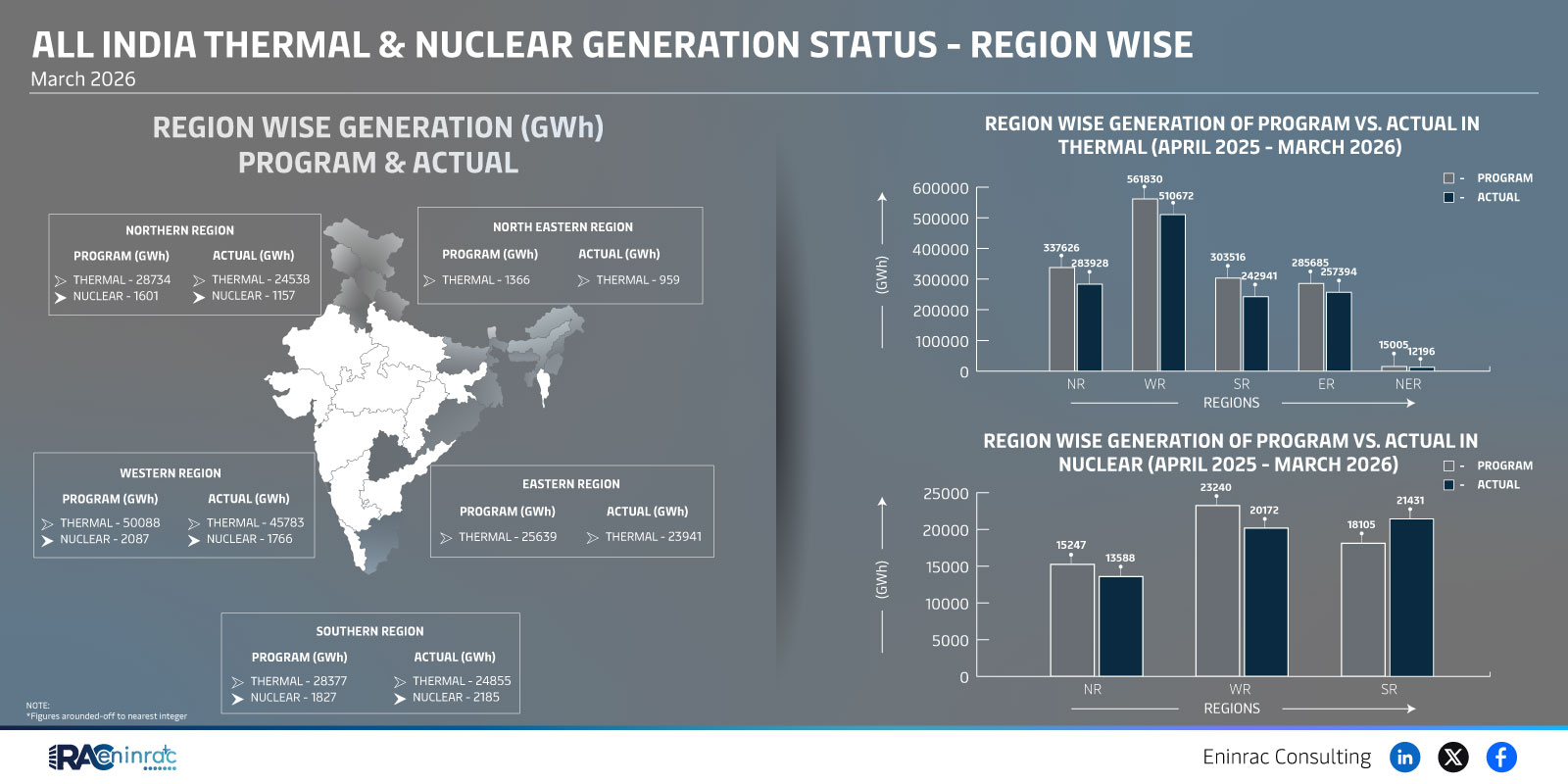
The latest regional generation report for April 2025 – March 2026 provides a clear snapshot of India’s thermal and nuclear power output. Understanding how each region contributes to the national grid is essential for policymakers, investors, and energy analysts who track capacity trends and plan future projects.
What Does the Data Reveal About This Topic?
Which regions lead in thermal generation and how does nuclear output compare across zones? The data shows that the Eastern region records the highest thermal generation, exceeding 200,000 GWh, while nuclear production remains modest, with the Eastern region contributing around 15,000 GWh.
Regional Comparison of Thermal and Nuclear Output
When comparing regions, the Eastern zone dominates thermal generation, followed by the Central and Western zones that each produce between 100,000 GWh and 150,000 GWh. Nuclear generation is limited to a few regions, with the Eastern region delivering the largest share of roughly 15,000 GWh, while other regions report figures near 10,000 GWh or less. This disparity highlights the continued reliance on coal‑based plants and the slower rollout of nuclear capacity.
Impact on Sectors and Industries
High thermal output supports heavy‑industry demand, electricity pricing, and grid stability, but also raises concerns about emissions and fuel security. Limited nuclear growth means the sector’s potential for low‑carbon baseload power remains underutilized, influencing renewable integration strategies and long‑term climate targets. Investors watch these trends to gauge risk, while policymakers use them to shape subsidy and licensing frameworks.
Key Takeaways
- The Eastern region leads thermal generation with over 200,000 GWh.
- Nuclear generation is concentrated in the Eastern region at approximately 15,000 GWh.
- Central and Western regions provide substantial thermal output, ranging from 100,000 GWh to 150,000 GWh.
- Overall nuclear contribution remains low compared to thermal capacity.
- High thermal generation supports industrial demand but increases carbon emissions.
- Growth opportunities exist for expanding nuclear and renewable capacity to balance the grid.
FAQs
Which Indian region generated the most thermal power in 2025‑26?
The Eastern region, with more than 200,000 GWh of thermal generation.
How much nuclear power was produced in the Eastern region?
Approximately 15,000 GWh of nuclear electricity.
Are any regions close to matching the Eastern region’s thermal output?
Central and Western regions produce between 100,000 GWh and 150,000 GWh, significantly lower than the Eastern zone.
What does low nuclear generation imply for India’s energy mix?
It suggests a continued reliance on coal and highlights the need for accelerated nuclear and renewable development to meet climate goals.
How can investors use this generation data?
By assessing regional capacity trends, they can identify opportunities in thermal plant upgrades, nuclear projects, and renewable integration.