
Introduction
The latest sector‑wise generation data for India, covering March 2026, highlights the performance of thermal and nuclear power plants across the country. Understanding this data is essential for policymakers, investors, and energy analysts who track the nation’s progress toward reliable electricity supply and clean energy goals. This article explains the figures, compares program targets with actual output, and outlines the implications for the power sector.
What Does the Data Reveal About This Topic?
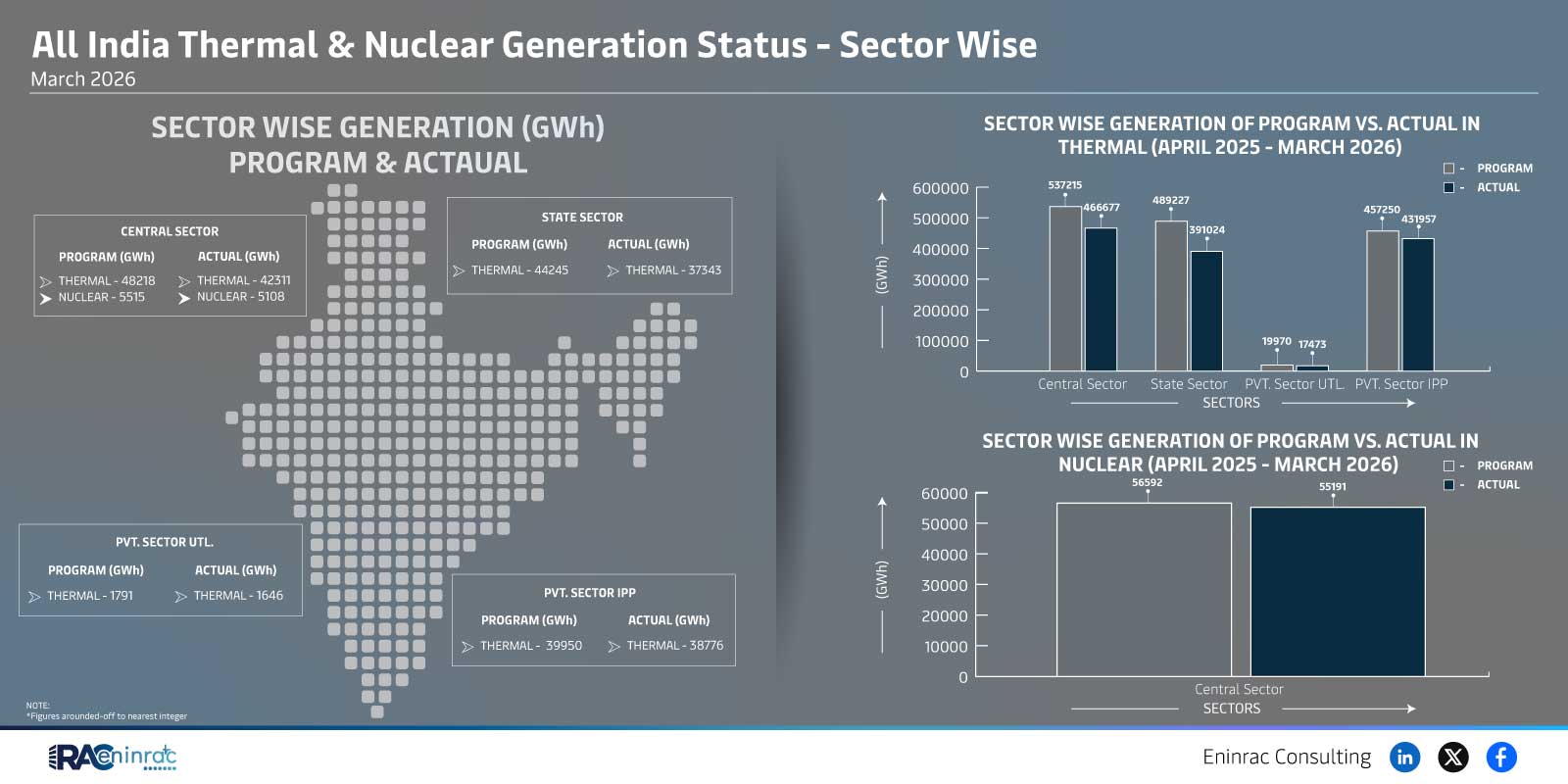
Does India’s nuclear generation meet its planned targets for the fiscal year 2025‑26? The data shows that nuclear output reached approximately 200,000 GWh, falling short of the 600,000 GWh program target. Thermal generation, on the other hand, delivered around 600,000 GWh, closely aligning with its program goal. The gap between nuclear program and actual generation underscores challenges in plant commissioning, fuel supply, and regulatory approvals.
Comparative Performance of Thermal and Nuclear Generation
When comparing the two sectors, thermal power dominates the generation mix, contributing roughly three‑quarters of total electricity produced. Nuclear power, while a smaller share, is critical for low‑carbon supply. The thermal sector achieved near‑full utilization, with actual generation matching the 600,000 GWh target. Nuclear generation lagged, achieving only about one‑third of its 600,000 GWh program, indicating a need for accelerated project execution and capacity upgrades.
Impact on Sectors and Industries
The shortfall in nuclear generation affects several downstream areas. Investors seeking stable, low‑carbon assets may view the gap as a risk, while policymakers must address regulatory bottlenecks to unlock nuclear potential. Industries reliant on continuous power, such as manufacturing and IT services, benefit from the strong thermal performance but may face higher carbon intensity costs. Consumers experience relatively stable tariffs due to thermal reliability, yet the long‑term transition to cleaner energy depends on improving nuclear output.
Key Takeaways
- Thermal generation met its 600,000 GWh target, reinforcing its role as the backbone of India’s power supply.
- Nuclear generation achieved only about 200,000 GWh, highlighting a significant gap from the 600,000 GWh program.
- The disparity suggests operational, regulatory, and fuel‑supply challenges specific to nuclear plants.
- Improving nuclear performance is crucial for meeting India’s carbon‑reduction commitments.
- Investors should monitor policy reforms and project timelines in the nuclear sector.
- Policymakers need to streamline approvals and support infrastructure to close the nuclear generation gap.
FAQs
What was the total thermal generation in India for March 2026?
Thermal generation reached approximately 600,000 GWh, matching the program target for the fiscal year.
How much nuclear power was actually generated in the same period?
Actual nuclear generation was about 200,000 GWh, well below the 600,000 GWh program goal.
Why is there a large gap between nuclear program and actual generation?
The gap is due to delays in plant commissioning, fuel supply constraints, and regulatory hurdles that slow capacity expansion.
What are the implications of the nuclear shortfall for India’s clean energy goals?
The shortfall limits progress toward low‑carbon electricity targets, making it harder to meet international climate commitments without additional renewable capacity.
Which sector should investors watch for future growth?
While thermal remains reliable, investors focused on long‑term sustainability should watch nuclear reforms and renewable integration for growth opportunities.