
Introduction
India’s off‑river pumped storage projects are gaining attention as the country seeks flexible, large‑scale energy solutions. As of April 2026, several sites have disclosed their installed capacities, offering insight into the nation’s growing commitment to renewable storage. This article explains the reported capacities, compares the projects, and discusses their significance for the power sector.
What Does the Data Reveal About This Topic?
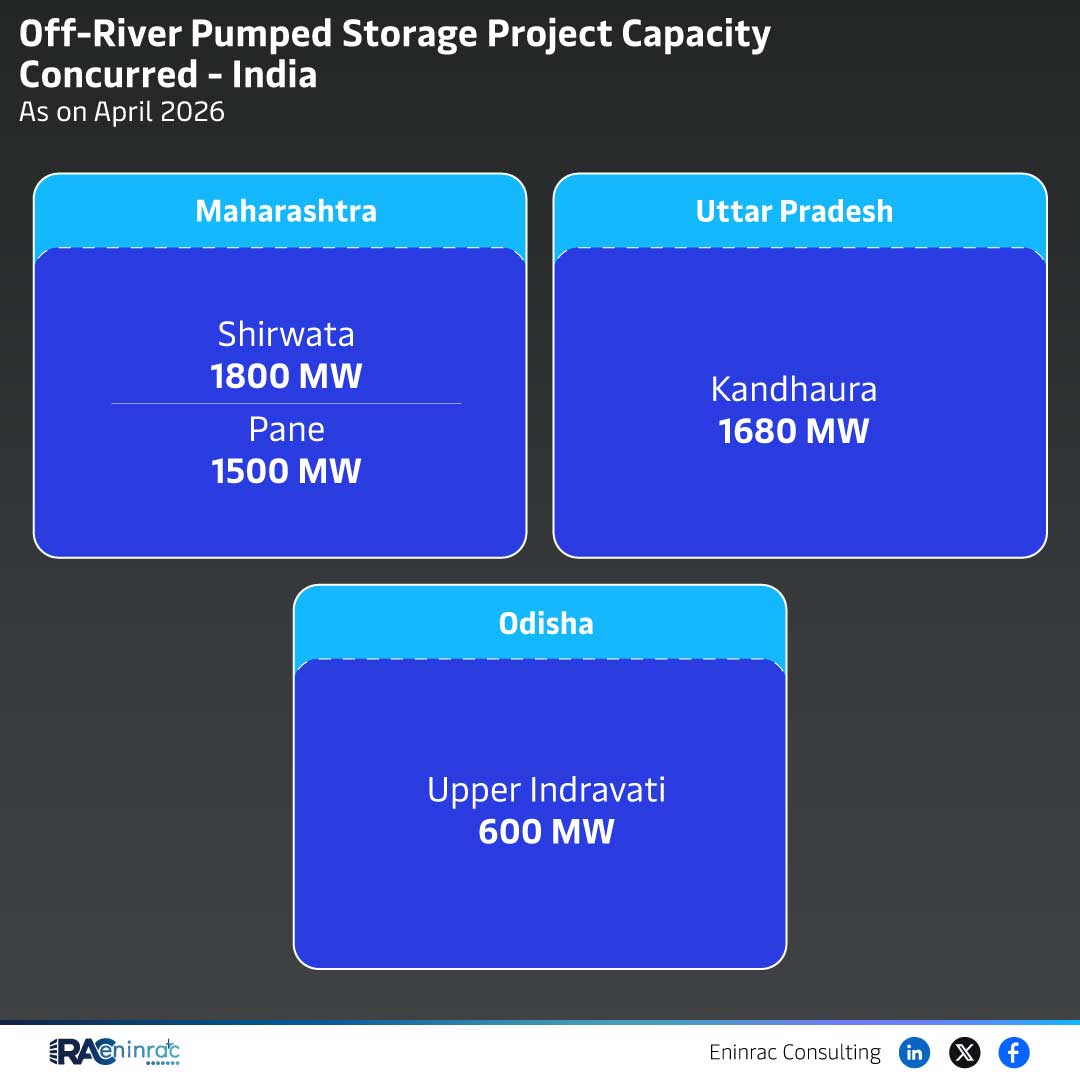
The raw data lists four off‑river pumped storage sites with a combined capacity of 5,880 MW: Shirwata (1,800 MW), Kandhaura (1,680 MW), Pane (1,680 MW), and Upper Indravati (600 MW). The question is how these capacities reflect India’s strategic push for grid stability and renewable integration. The answer shows a clear focus on multi‑hundred megawatt installations that can balance intermittent solar and wind generation.
Comparative Capacity Analysis of Indian Pumped Storage Sites
Shirwata leads with 1,800 MW, matching the combined capacity of the two 1,680 MW projects at Kandhaura and Pane. Upper Indravati, at 600 MW, is smaller but still contributes significantly to regional storage needs. The distribution suggests a tiered approach: flagship mega‑projects for national grid support and smaller installations targeting state‑level balancing. Geographic spread across different river basins also indicates an effort to diversify water resource usage and minimize environmental impact.
Impact on Sectors and Industries
These pumped storage capacities influence several sectors. For power generators, they provide a reliable backup that smooths output from solar and wind farms, reducing curtailment. Investors see reduced risk in renewable portfolios, encouraging more capital inflow. Policymakers can meet renewable targets with fewer reliability concerns, while equipment manufacturers benefit from increased demand for turbines, pumps, and control systems. Consumers ultimately gain from a more stable electricity supply and potentially lower tariffs.
Key Takeaways
- India reports a total of 5,880 MW of off‑river pumped storage capacity as of April 2026.
- Shirwata (1,800 MW) is the largest single project, highlighting a focus on high‑impact sites.
- Kandhaura and Pane each contribute 1,680 MW, showing a pattern of similarly sized installations.
- Upper Indravati adds 600 MW, emphasizing regional storage solutions.
- The combined capacity supports grid stability for renewable integration.
- These projects stimulate investment, manufacturing, and policy development across the energy sector.
FAQs
What is off‑river pumped storage?
It is a type of hydroelectric storage where water is pumped to an upper reservoir during low demand and released to generate power during peak demand, without relying on a natural river flow.
Why is pumped storage important for India’s renewable goals?
It provides large‑scale, fast‑response energy storage that balances intermittent solar and wind generation, helping meet the country’s renewable capacity targets.
Which project has the highest capacity?
Shirwata, with a reported capacity of 1,800 MW, is the largest off‑river pumped storage project listed.
How does pumped storage affect electricity prices?
By reducing the need for expensive peaking plants and minimizing renewable curtailment, pumped storage can help lower overall electricity costs.
Are there environmental concerns with off‑river pumped storage?
While it avoids direct river diversion, concerns remain about land use, ecosystem disruption, and water consumption, which are addressed through careful site selection and mitigation measures.