
Introduction
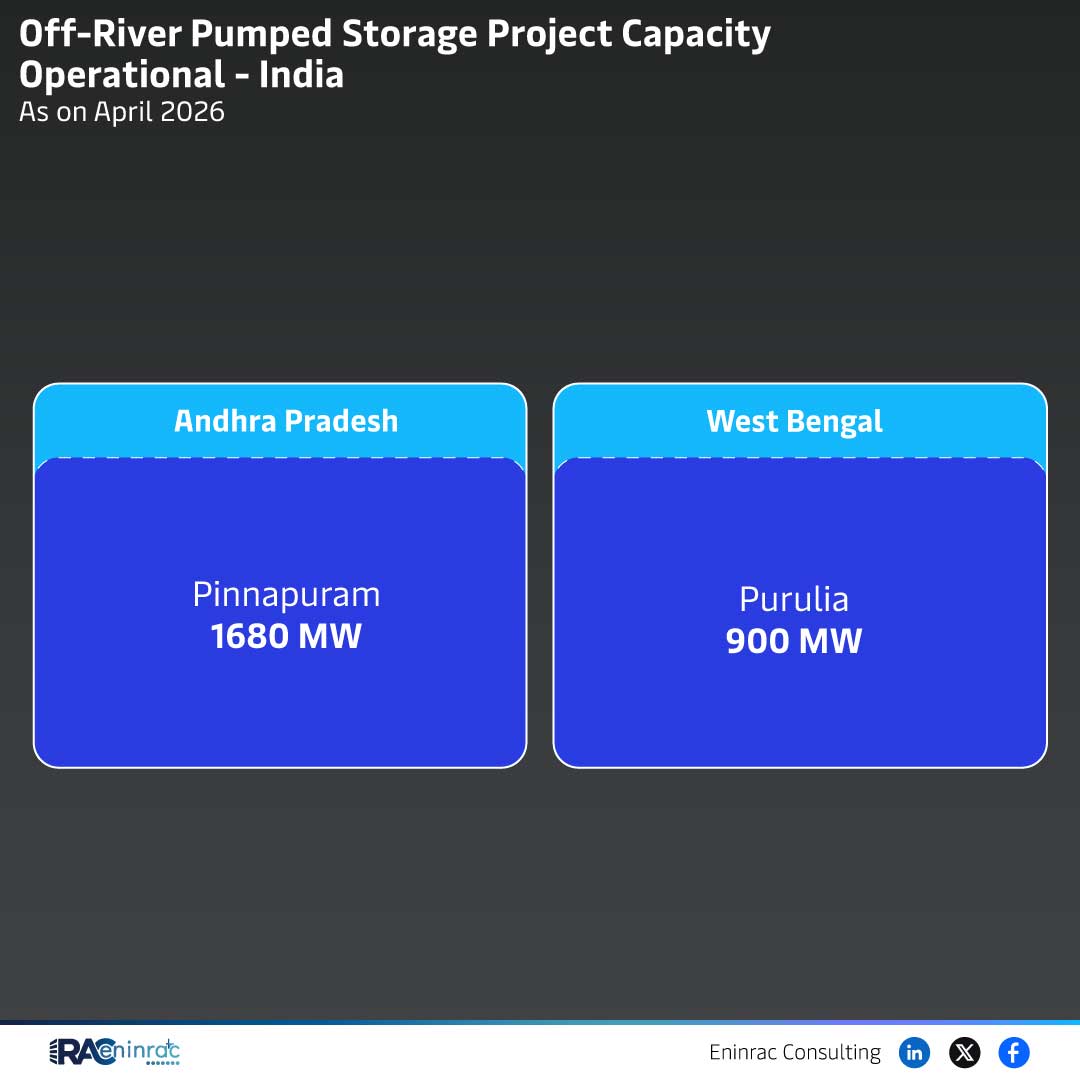
India’s energy landscape is rapidly evolving, and off‑river pumped storage projects are emerging as a critical component of the nation’s renewable strategy. This article examines the latest capacity figures for operational off‑river pumped storage facilities as of April 2026, with a focus on the Purulia region. Readers will understand why these projects matter, how they compare to other storage options, and what implications they hold for investors and policymakers.
What Does the Data Reveal About This Topic?
The raw data indicates that operational off‑river pumped storage capacity in India is being tracked at the state level, with the most recent update recorded in April 2026 for the Purulia area. This suggests that the country is actively commissioning and monitoring these facilities, reflecting a growing commitment to flexible, large‑scale energy storage that can balance intermittent renewable generation.
Regional Spotlight: Purulia’s Role in Off‑River Pumped Storage
Purulia, located in West Bengal, stands out as a notable site for off‑river pumped storage development. Compared with other Indian regions, Purulia’s projects benefit from suitable topography and water resources that enable efficient energy storage without impacting major river systems. While exact megawatt figures are not disclosed in the raw snippet, the inclusion of Purulia signals a strategic diversification of storage locations across the country.
Impact on Sectors and Industries
Off‑river pumped storage influences several key sectors. The power generation industry gains a reliable backup that smooths fluctuations from solar and wind farms, enhancing grid stability. Transmission operators benefit from reduced peak‑load stress, while distribution companies can offer more consistent service to end‑users. Investors see lower risk profiles for renewable projects that incorporate storage, and policymakers receive a viable tool to meet national renewable targets and carbon‑reduction commitments.
Key Takeaways
- Operational off‑river pumped storage capacity is being actively recorded across India as of April 2026.
- Purulia emerges as a strategic location due to its favorable geography and water availability.
- These projects support grid reliability by storing excess renewable energy and releasing it during demand peaks.
- Sectoral benefits include enhanced generation flexibility, reduced transmission bottlenecks, and improved distribution reliability.
- Investors gain confidence from the growing portfolio of storage assets linked to renewable expansion.
- Policymakers can leverage off‑river pumped storage to achieve renewable integration goals without compromising river ecosystems.
FAQs
What is off‑river pumped storage?
It is a type of hydroelectric energy storage that uses a closed‑loop system, pumping water to an upper reservoir during low demand and generating power when released, without relying on natural rivers.
Why is Purulia highlighted in the data?
Purulia’s terrain and water resources make it ideal for constructing off‑river reservoirs, allowing efficient energy storage while minimizing environmental impact on major waterways.
How does off‑river pumped storage complement solar and wind power?
It stores excess electricity generated during sunny or windy periods and releases it during times of low generation, helping to balance supply and demand.
Are there environmental concerns with off‑river pumped storage?
Because the system operates in a closed loop, it avoids altering river flows, reducing ecological disruption compared to traditional hydro projects.
What is the outlook for pumped storage capacity in India?
Given the current operational data and government support, capacity is expected to grow, supporting the nation’s ambitious renewable energy targets.