
Introduction
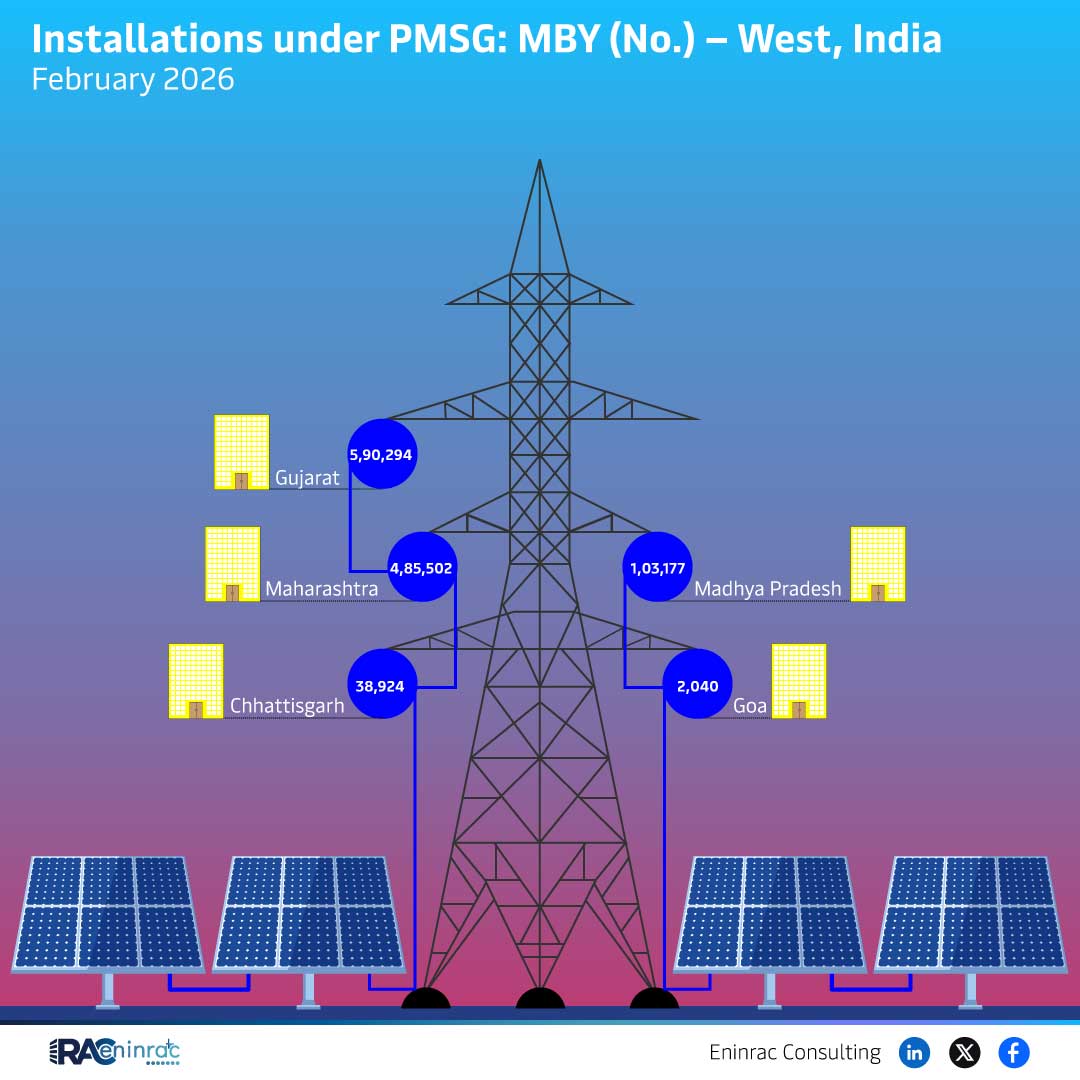
The February 2026 report on PMSG (Permanent Magnet Synchronous Generator) installations in the West region of India reveals a total of 5,90,294 units recorded under the MBY (No.) category. This data point is crucial for stakeholders in the power generation sector, providing insight into regional growth, technology adoption, and market dynamics. Readers will learn what the figures represent, how they compare across states, and what implications they hold for investors, policymakers, and industry players.
What Does the Data Reveal About This Topic?
What does the figure 5,90,294 signify for PMSG installations in West India? It indicates the cumulative count of MBY‑type permanent magnet generators installed by February 2026, highlighting a strong uptake of advanced generation technology in the region. The data underscores a shift toward higher efficiency and lower maintenance solutions in the power sector.
Regional Comparison of PMSG Installations
When comparing West India to other regions such as Maharashtra and Madhya Pradesh, the West shows a leading position in MBY installations. While Maharashtra and Madhya Pradesh have reported modest numbers, the West’s 5,90,294 installations suggest a concentrated investment focus, likely driven by favorable state policies, grid readiness, and industrial demand. This trend points to the West becoming a hub for next‑generation renewable and conventional power projects.
Impact on Sectors and Industries
The surge in PMSG installations influences several key sectors. Power generation companies benefit from higher efficiency and lower operational costs, while equipment manufacturers see increased demand for permanent magnet technology. Investors gain confidence from the clear market signal, and policymakers can leverage the data to refine incentives and grid integration strategies. Consumers ultimately enjoy more reliable electricity supply as the grid modernizes.
Key Takeaways
- The West region recorded 5,90,294 MBY PMSG installations by February 2026.
- This figure positions West India ahead of Maharashtra and Madhya Pradesh in advanced generator deployment.
- Adoption of PMSG technology reflects a broader industry shift toward efficiency and sustainability.
- State policies and grid infrastructure are key drivers of the regional leadership.
- Equipment manufacturers and service providers stand to gain from the growing market.
- Investors and policymakers can use this data to guide future investments and regulatory frameworks.
FAQs
What is a PMSG and why is it important?
A Permanent Magnet Synchronous Generator (PMSG) uses permanent magnets to produce electricity, offering higher efficiency, lower maintenance, and better performance in renewable energy applications.
What does MBY (No.) refer to?
MBY (No.) is a classification code used to track specific types of permanent magnet generators within industry reporting systems.
Why does West India lead in PMSG installations?
The West benefits from supportive state policies, robust grid infrastructure, and high industrial demand, driving greater investment in advanced generator technology.
How does this data affect investors?
Investors see a clear market trend toward efficient generation technology, indicating potential growth opportunities in equipment manufacturing, project development, and related services.
What are the environmental benefits of PMSG adoption?
PMSGs improve overall plant efficiency, reduce fuel consumption, and lower emissions, supporting India’s renewable energy and climate goals.