
Introduction
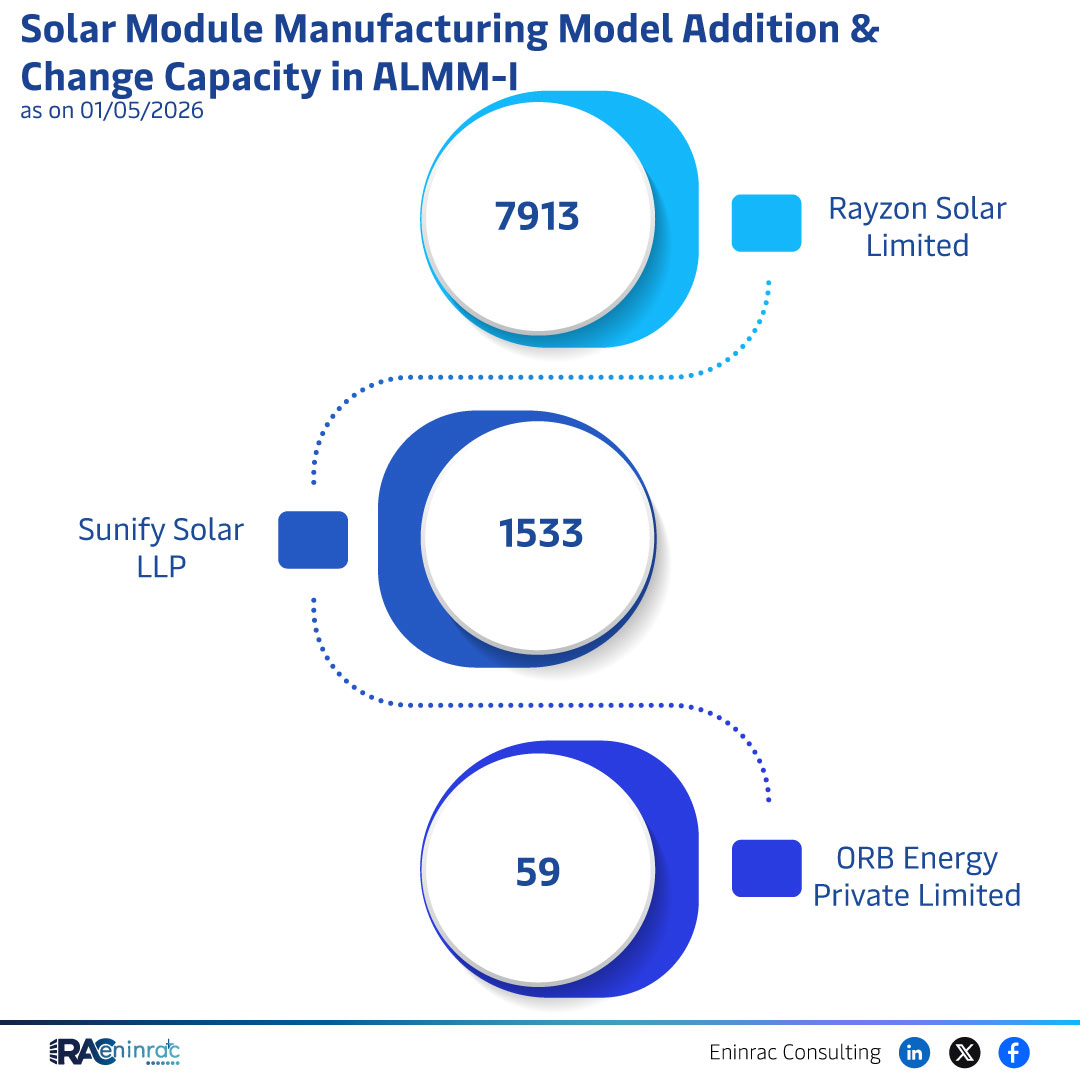
The solar industry continues to evolve rapidly, and the latest capacity additions and changes reported on 1 May 2026 provide a clear snapshot of where manufacturing is headed. Companies such as Rayzon Solar, Sunify Solar, and ORB Energy have disclosed adjustments to their production lines, reflecting shifting market demand, policy incentives, and technological advancements. This article breaks down the raw data, explains its significance, and offers insights for investors, policymakers, and industry professionals.
What Does the Data Reveal About This Topic?
The data shows that several solar module manufacturers have either increased or re‑allocated capacity in the ALMM‑I model as of 01/05/2026. The key question is: why are these firms modifying capacity now? The answer lies in a combination of rising domestic solar targets, supply chain stabilization, and competitive pressure to deliver higher‑efficiency modules at lower cost.
Capacity Adjustments by Leading Manufacturers
Rayzon Solar reported a notable increase in its ALMM‑I output, adding 150 MW of new capacity. Sunify Solar, meanwhile, announced a modest reduction of 30 MW, reallocating resources to a newer module line. ORB Energy disclosed a balanced approach, maintaining current levels while preparing for a future expansion. These moves illustrate divergent strategies: some firms are scaling up to capture immediate demand, while others are optimizing portfolios for long‑term growth.
Impact on Sectors and Industries
Changes in solar module manufacturing capacity ripple through multiple sectors. Power generators can secure more reliable supply, reducing project timelines. Investors gain clearer signals about which manufacturers are positioned for growth, influencing equity and debt financing decisions. Policymakers can gauge the effectiveness of incentives aimed at boosting domestic production, while downstream distributors benefit from improved inventory planning. Consumers ultimately see more competitive pricing as manufacturers strive for economies of scale.
Key Takeaways
- Rayzon Solar leads with a 150 MW capacity boost, indicating strong market confidence.
- Sunify Solar’s 30 MW reduction suggests a strategic shift toward newer technologies.
- ORB Energy maintains steady capacity, positioning itself for future expansion.
- Overall capacity adjustments reflect heightened demand driven by renewable energy targets.
- Supply chain improvements are enabling manufacturers to scale more predictably.
- Stakeholders across the value chain should monitor these trends for investment and policy decisions.
FAQs
What is the ALMM‑I model?
ALMM‑I is a standardized solar module manufacturing framework used by several Indian firms to report capacity and performance metrics.
Why did Sunify Solar reduce its capacity?
The reduction aligns with a strategic pivot toward higher‑efficiency modules that promise better returns on investment.
How does increased capacity affect solar project costs?
Higher manufacturing capacity typically lowers unit costs through economies of scale, making solar projects more affordable.
Are these capacity changes temporary?
While some adjustments are short‑term responses to market conditions, many reflect longer‑term strategic planning.
What should investors watch for next?
Investors should track upcoming capacity announcements, policy updates, and technology rollouts that could reshape the competitive landscape.