
Introduction
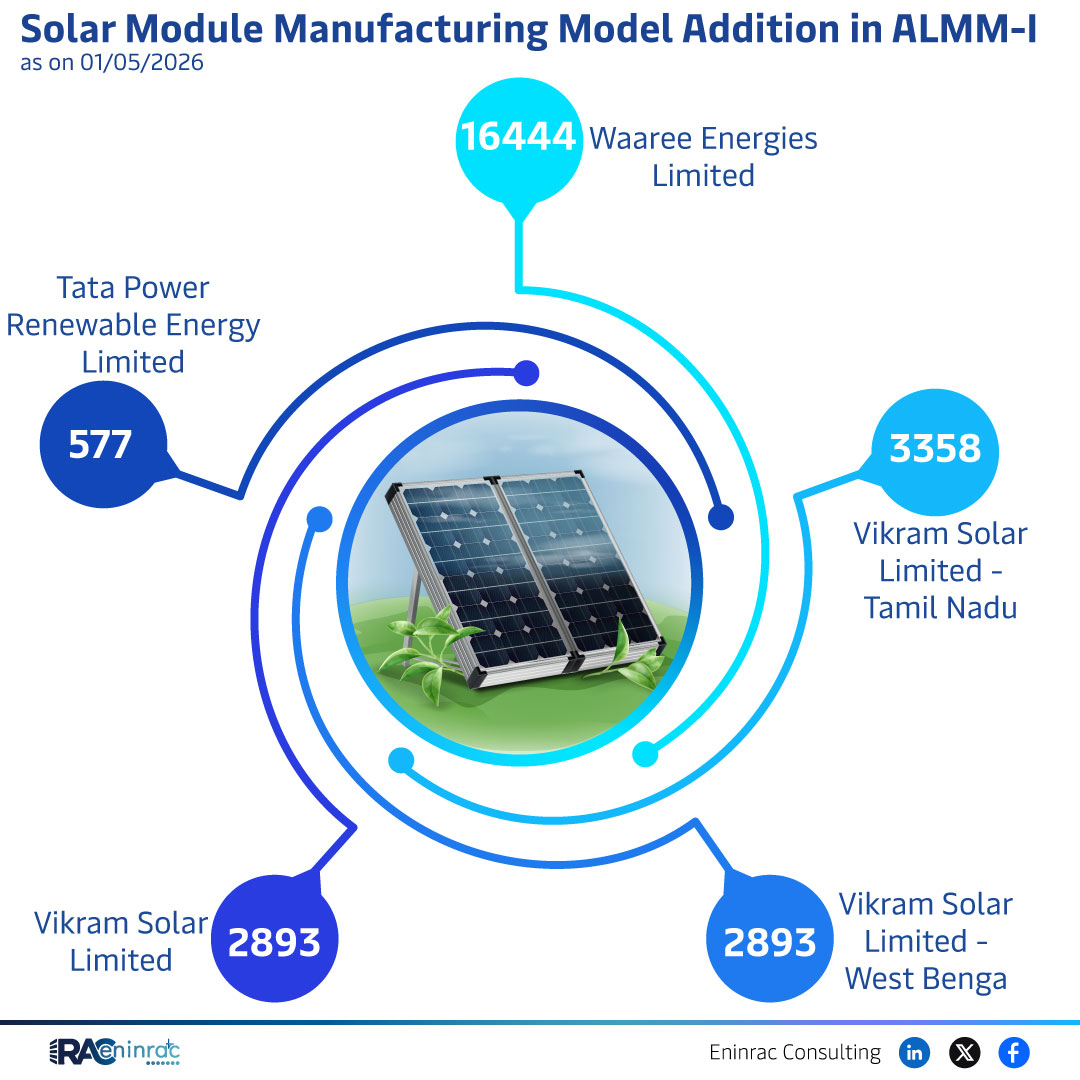
The ALMM‑I (Annual Local Manufacturing Model) data released on 1 May 2026 provides a snapshot of solar module manufacturers operating in India. It lists key players such as Waaree Energies, Tata Power Renewable Energy Limited, and Vikram Solar Limited, highlighting their geographic presence and recent activity. Understanding this data helps investors, policymakers, and industry analysts gauge the health of domestic solar manufacturing and its role in the country’s renewable energy goals.
What Does the Data Reveal About This Topic?
The data shows that established firms like Waaree Energies and Vikram Solar continue to dominate the manufacturing landscape, with a concentration in Tamil Tamil Nadu and West Bengal. It also indicates that large power utilities such as Tata Power are expanding into module production, suggesting a vertical integration trend. These insights point to a growing domestic capacity that could reduce reliance on imports.
Regional Concentration and Company Profiles
Among the listed manufacturers, Tamil Nadu emerges as a hub, hosting both Vikram Solar and Waaree Energies. West Bengal also appears, reflecting a secondary cluster of activity. Companies differ in scale: Waaree Energies is a dedicated module maker, while Tata Power Renewable Energy Limited combines power generation with manufacturing. This mix of pure‑play manufacturers and integrated utilities creates a diversified ecosystem that supports both supply chain resilience and market competition.
Impact on Sectors and Industries
Increased domestic solar module production influences several sectors. For the renewable energy market, it lowers module costs and accelerates project timelines. Investors benefit from reduced currency risk associated with imports. Policymakers can leverage this capacity to meet national targets under the International Solar Alliance. Additionally, ancillary industries such as silicon wafer suppliers, logistics, and installation services experience growth as module output rises.
Key Takeaways
- Waaree Energies, Tata Power Renewable Energy, and Vikram Solar are the leading manufacturers in the ALMM‑I 2026 report.
- Tamil Nadu remains the primary manufacturing hub, with West Bengal as a secondary center.
- Vertical integration is evident as power utilities enter module production.
- Domestic capacity growth helps lower costs and reduce import dependence.
- The trend supports India’s renewable energy targets and attracts foreign investment.
- Ancillary supply chains benefit from expanded manufacturing activity.
FAQs
Which companies are the top solar module manufacturers in India?
Waaree Energies, Tata Power Renewable Energy Limited, and Vikram Solar Limited lead the market according to the ALMM‑I 2026 data.
Where are the main solar module manufacturing hubs?
Tamil Nadu is the primary hub, with notable activity also in West Bengal.
Why is vertical integration important for power companies?
It allows utilities to control supply, reduce costs, and ensure timely delivery of modules for their projects.
How does increased domestic manufacturing affect module prices?
Higher local production typically lowers prices by reducing import tariffs and logistics expenses.
What impact does this have on India’s renewable energy goals?
Stronger manufacturing capacity supports faster deployment of solar projects, helping meet national clean‑energy targets.