
Introduction
The BTM Power Infrastructure Project, a flagship initiative aimed at strengthening India's electricity network, has attracted significant financial backing across multiple states. As of December 2025, a detailed analysis of the sanctioned and utilized funds reveals how resources are distributed and spent, offering critical insight for investors, policymakers, and industry observers. This article examines the state‑wise funding patterns, highlights key trends, and explains the broader implications for the power sector.
What Does the Data Reveal About This Topic?
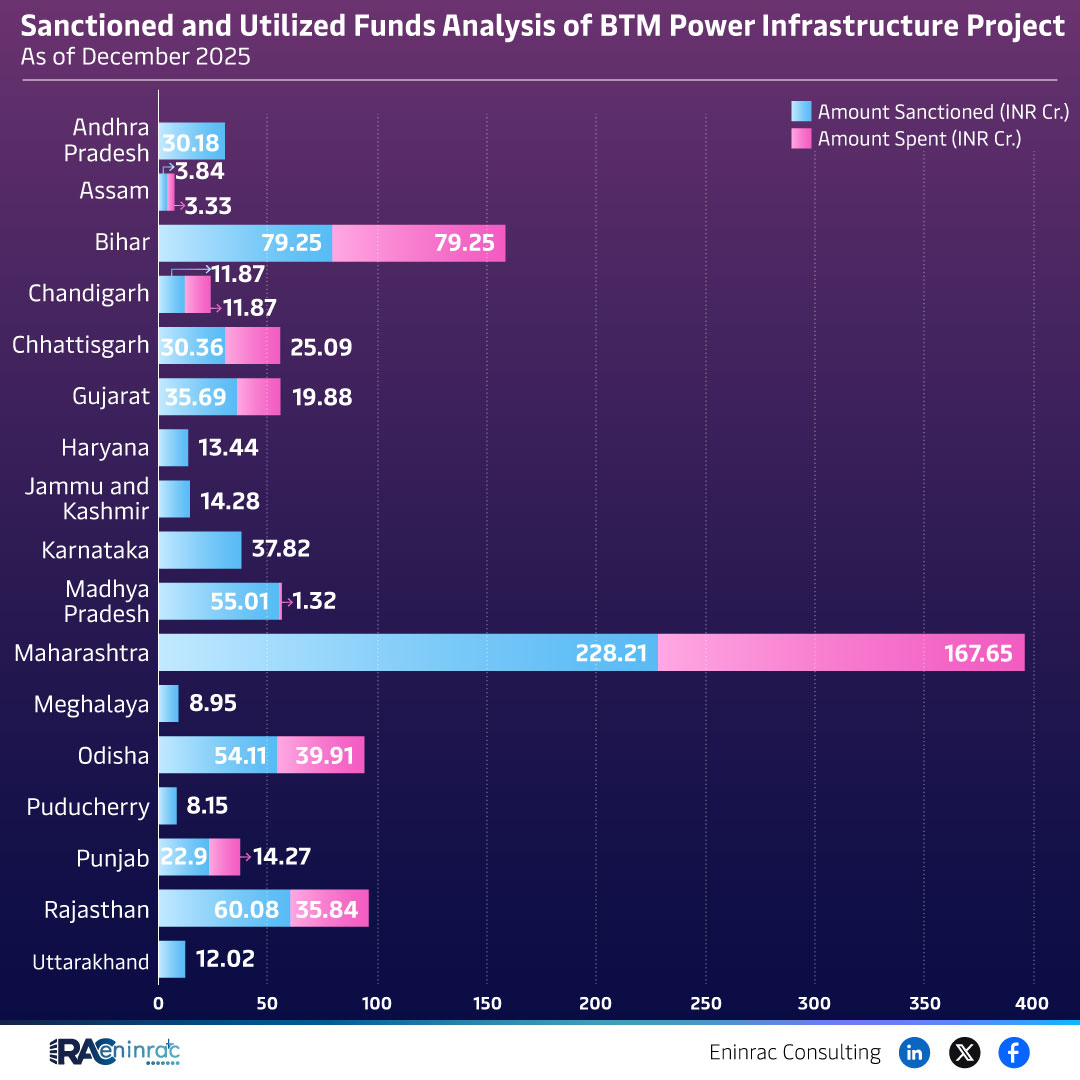
What does the latest fund allocation data tell us about the BTM Power Infrastructure Project? The figures show distinct variations in both sanctioned amounts and actual expenditures across states, indicating differing levels of project progress, administrative efficiency, and regional priority. Understanding these disparities helps stakeholders assess risk, allocate future capital, and gauge policy effectiveness.
State‑wise Funding Comparison and Trends
A comparative interpretation of the data underscores that states such as Gujarat, Maharashtra, and Karnataka have received the highest sanctioned budgets, reflecting their strategic importance in the national grid. Conversely, smaller regions like Puducherry and Chandigarh exhibit modest allocations, often aligned with localized distribution upgrades. Utilization rates vary markedly; some states have approached full fund deployment, while others lag behind, suggesting project delays or re‑allocation of resources.
Impact on Sectors and Industries
The allocation and utilization of BTM project funds directly influence the transmission and distribution sectors, renewable integration, and ancillary services. Robust funding in high‑growth states spurs equipment manufacturing, engineering services, and job creation, while under‑utilized budgets may signal bottlenecks that could affect grid reliability and the pace of renewable adoption. Investors can leverage these insights to target regions with accelerated project execution.
Key Takeaways
- Highest sanctioned funds are concentrated in Gujarat, Maharashtra, and Karnataka, reflecting strategic grid upgrades.
- Utilization rates differ widely, with some states nearing full deployment and others showing significant unused balances.
- States with rapid fund utilization are likely to experience faster improvements in transmission capacity and reliability.
- Under‑utilized budgets may indicate administrative delays, logistical challenges, or shifting project priorities.
- The BTM Power Infrastructure Project drives demand for construction, engineering, and equipment suppliers in high‑allocation regions.
- Policy makers can use the data to refine funding mechanisms and enhance project monitoring across states.
FAQs
Which states received the largest BTM project budgets?
Gujarat, Maharashtra, and Karnataka topped the list for sanctioned funds, reflecting their pivotal role in national grid reinforcement.
Why do some states show lower fund utilization?
Lower utilization can stem from project delays, regulatory hurdles, or re‑allocation of resources to other priority initiatives.
How does fund utilization affect power sector investors?
High utilization signals project momentum and lower risk, attracting investment in related infrastructure and services.
What impact does the BTM project have on renewable energy integration?
Improved transmission capacity from the BTM project facilitates smoother integration of renewable sources, enhancing grid stability.
Can the funding data influence future policy decisions?
Yes, policymakers can adjust allocation formulas, strengthen oversight, and address bottlenecks based on utilization patterns.