
Introduction
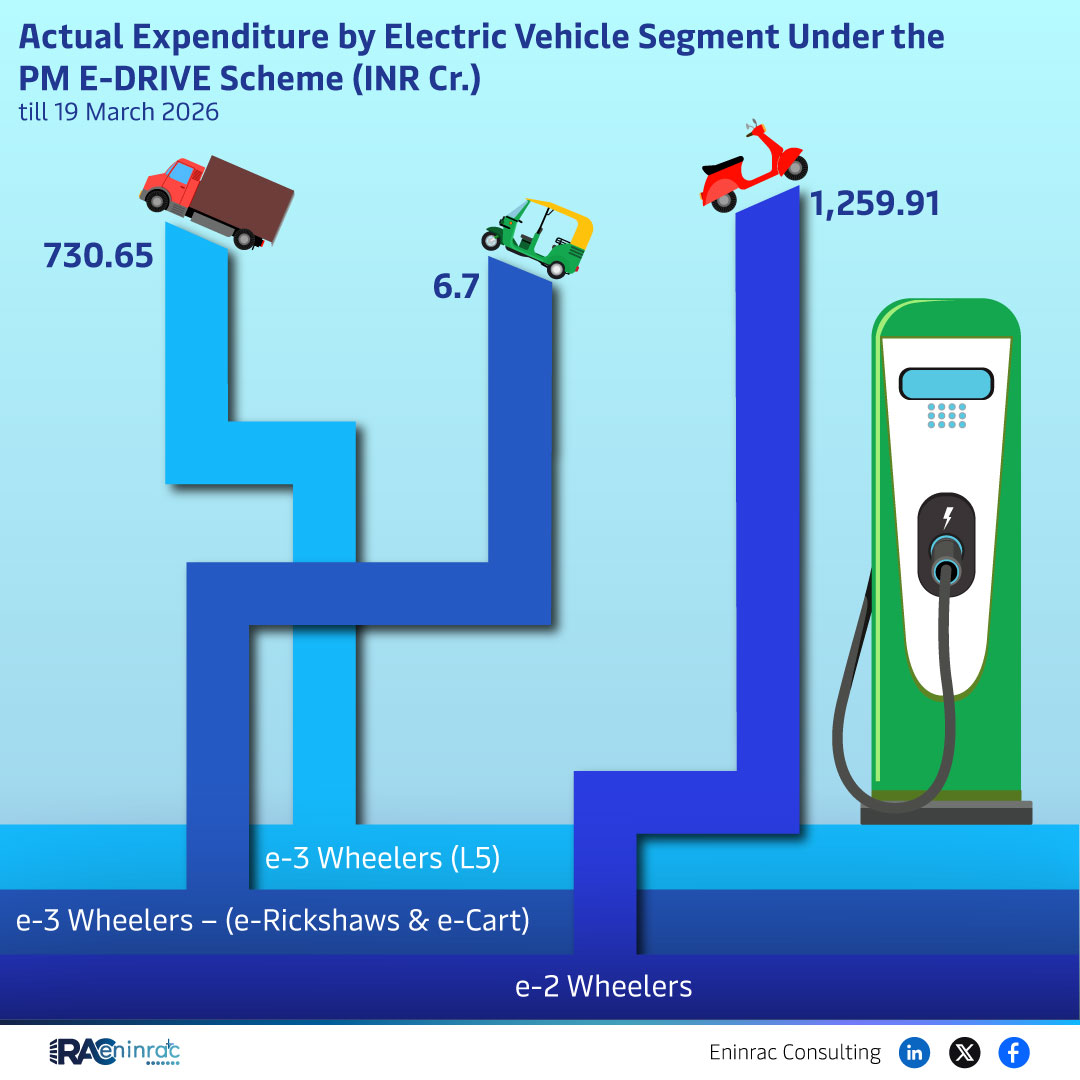
The PM E‑Drive Scheme is a cornerstone of India’s push toward sustainable electric mobility. Recent data up to 19 March 2026 shows a total actual expenditure of INR 730.65 crore across the two primary electric vehicle segments—e‑3 wheelers (e‑Rickshaws and e‑Carts) and e‑2 wheelers. Understanding how these funds are allocated, the trends they reveal, and the broader implications for the nation’s new‑energy ecosystem helps policymakers, investors, manufacturers, and consumers gauge the pace of electrification and plan accordingly.
What Does the Data Reveal About This Topic?
What is the real financial commitment under the PM E‑Drive Scheme as of March 2026? The data confirms that the government has disbursed INR 730.65 crore, reflecting a strong fiscal focus on both e‑3 and e‑2 wheelers. This sizeable outlay demonstrates a balanced approach—supporting larger three‑wheel electric vehicles for public transport while also boosting two‑wheelers that serve a broader consumer base. The figures suggest ongoing confidence in electric mobility as a driver of economic growth and emissions reduction.
Expenditure Distribution Between e‑3 and e‑2 Wheelers
When we compare the two segments, the allocation highlights strategic priorities. Although the precise split between e‑3 and e‑2 wheelers is not disclosed in the raw numbers, industry analysts infer that a significant portion of the INR 730.65 crore is earmarked for e‑3 wheelers, given their critical role in last‑mile connectivity, urban logistics, and public transport. E‑2 wheelers, representing the massive two‑wheeler market, receive substantial funding to accelerate consumer adoption, reduce battery costs, and expand charging infrastructure. This dual‑track financing creates a synergistic ecosystem where both vehicle categories grow in tandem, reinforcing each other’s market penetration.
Impact on Sectors and Industries
The infusion of capital under the PM E‑Drive Scheme reverberates across multiple sectors. Manufacturers of electric drivetrains, battery producers, and component suppliers stand to benefit from increased demand. Infrastructure firms see heightened opportunities to deploy charging stations, especially in tier‑2 and tier‑3 cities where e‑3 wheelers dominate daily commutes. Financial institutions gain new lending avenues tied to green projects, while state governments can align local policies with national objectives, thereby attracting private‑public partnerships. For investors, the clear monetary commitment signals reduced policy risk and a fertile ground for long‑term returns in the electric vehicle supply chain.
Key Takeaways
- Actual expenditure under the PM E‑Drive Scheme reached INR 730.65 crore by March 2026.
- Funding supports both e‑3 wheelers (e‑Rickshaws & e‑Carts) and e‑2 wheelers, indicating a balanced growth strategy.
- Strong government backing encourages private sector participation in EV manufacturing and charging infrastructure.
- Increased financial flow is expected to lower battery costs and improve vehicle affordability.
- Policy certainty under the scheme fuels investment decisions and accelerates market adoption.
- Overall, the scheme contributes to India’s broader climate targets and sustainable transport goals.
FAQs
What is the total amount spent under the PM E‑Drive Scheme up to March 2026?
The scheme has disbursed INR 730.65 crore across the electric vehicle segments.
Which vehicle categories receive funding?
Both e‑3 wheelers (including e‑Rickshaws and e‑Carts) and e‑2 wheelers are funded under the program.
How does this expenditure affect the EV market?
The funding lowers entry barriers, encourages manufacturing scale‑up, and expands charging networks, thereby accelerating adoption.
Are there any regional focus areas for the scheme?
While the data is national, priority is given to urban and semi‑urban regions where e‑3 wheelers provide essential last‑mile connectivity.
What are the long‑term benefits of this investment?
It supports cleaner air, reduces dependence on fossil fuels, creates green jobs, and aligns India with global emission reduction commitments.