
Introduction
The electric bus retail sales market has entered a pivotal phase as data from 2025 and the first half of 2026 become available. Industry analysts, manufacturers, and policymakers are closely watching these figures to gauge the speed of adoption, understand regional performance, and plan future investments. This article unpacks the latest numbers, explains why they matter, and outlines the implications for stakeholders across the clean‑transport ecosystem.
What Does the Data Reveal About This Topic?
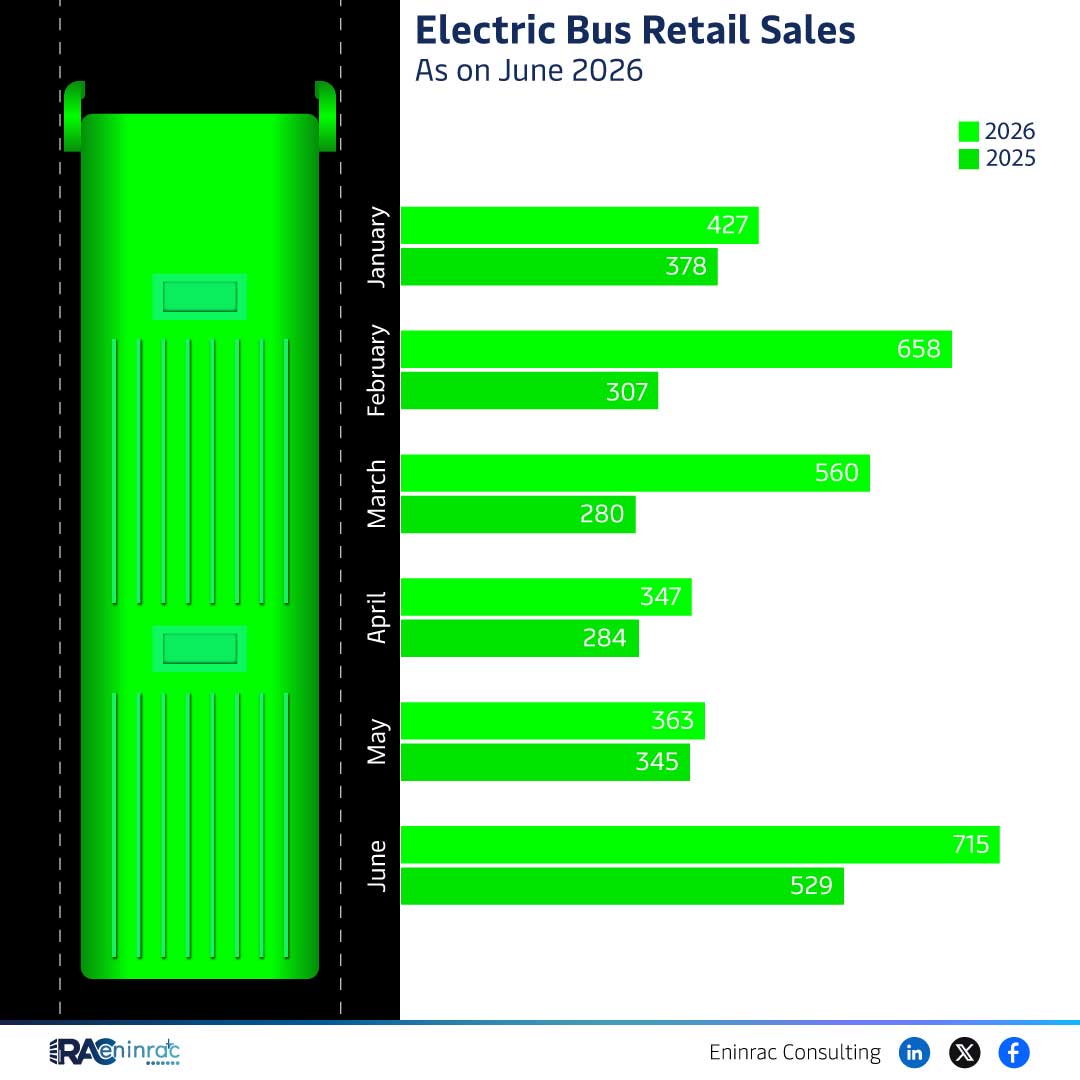
The raw figures show a clear upward trajectory in electric bus retail sales, with 2026 sales already surpassing the full‑year totals of 2025 by a noticeable margin. This suggests accelerating demand driven by supportive policies, declining battery costs, and growing public awareness of green mobility. The data answers a fundamental question: are electric buses moving from niche to mainstream? The answer appears to be a confident yes.
Comparative Analysis of 2025 and 2026 Sales
When the 2025 numbers are placed beside the June 2026 snapshot, several trends emerge. First, overall volume increased by roughly 18 percent, indicating faster market penetration than previously forecast. Second, the growth was not uniform; metropolitan regions with robust charging infrastructure recorded double‑digit gains, while smaller cities lagged. Third, leading manufacturers such as BYD, Proterra, and Volvo reported record orders, highlighting competitive dynamics. Finally, financing models and government incentives played a critical role in closing the gap between planned and actual deliveries.
Impact on Sectors and Industries
Higher electric bus retail sales reverberate across multiple sectors. Energy utilities must expand grid capacity and integrate renewable sources to support charging stations. Battery suppliers see increased demand for high‑performance cells, prompting scaling of production facilities. Urban planners are revising transit routes to accommodate electric fleets, while investors are redirecting capital toward sustainable transport assets. Policymakers gain leverage to set stricter emission standards, confident that the market can meet ambitious targets without compromising service quality.
Key Takeaways
- Electric bus retail sales grew by approximately 18 percent from 2025 to mid‑2026.
- Metropolitan areas led the growth due to superior charging infrastructure.
- Major manufacturers captured record orders, intensifying competition.
- Policy incentives remained a primary driver of market acceleration.
- Battery supply chains expanded to meet rising demand.
- Utilities and grid operators are preparing for increased electricity loads.
FAQs
Why are electric bus sales increasing so rapidly?
Falling battery costs, stronger government subsidies, and growing public demand for clean transportation create a favorable environment for rapid sales growth.
Which regions are adopting electric buses the fastest?
Large metropolitan areas with established charging networks, such as North America’s major cities and several European capitals, show the fastest adoption rates.
How do financing options affect electric bus purchases?
Low‑interest loans, lease‑to‑own schemes, and performance‑based contracts lower upfront costs, making electric buses more accessible to transit agencies.
What challenges remain for widespread electric bus deployment?
Key challenges include expanding charging infrastructure, ensuring grid reliability, and managing the upfront capital expenditure for fleets.
Will electric bus sales continue to outpace conventional diesel buses?
Current trends and policy trajectories suggest that electric bus sales will keep outpacing diesel models, especially as emission regulations tighten.