
Introduction
India's on‑river pumped storage projects are a critical component of the nation's renewable energy strategy. As of April 2026, several large‑scale facilities across Gujarat, Tamil Nadu, and other states contribute significant megawatt capacity to the grid. This article examines the latest capacity figures, compares state‑wise contributions, and explains why these projects matter for energy security and climate goals.
What Does the Data Reveal About This Topic?
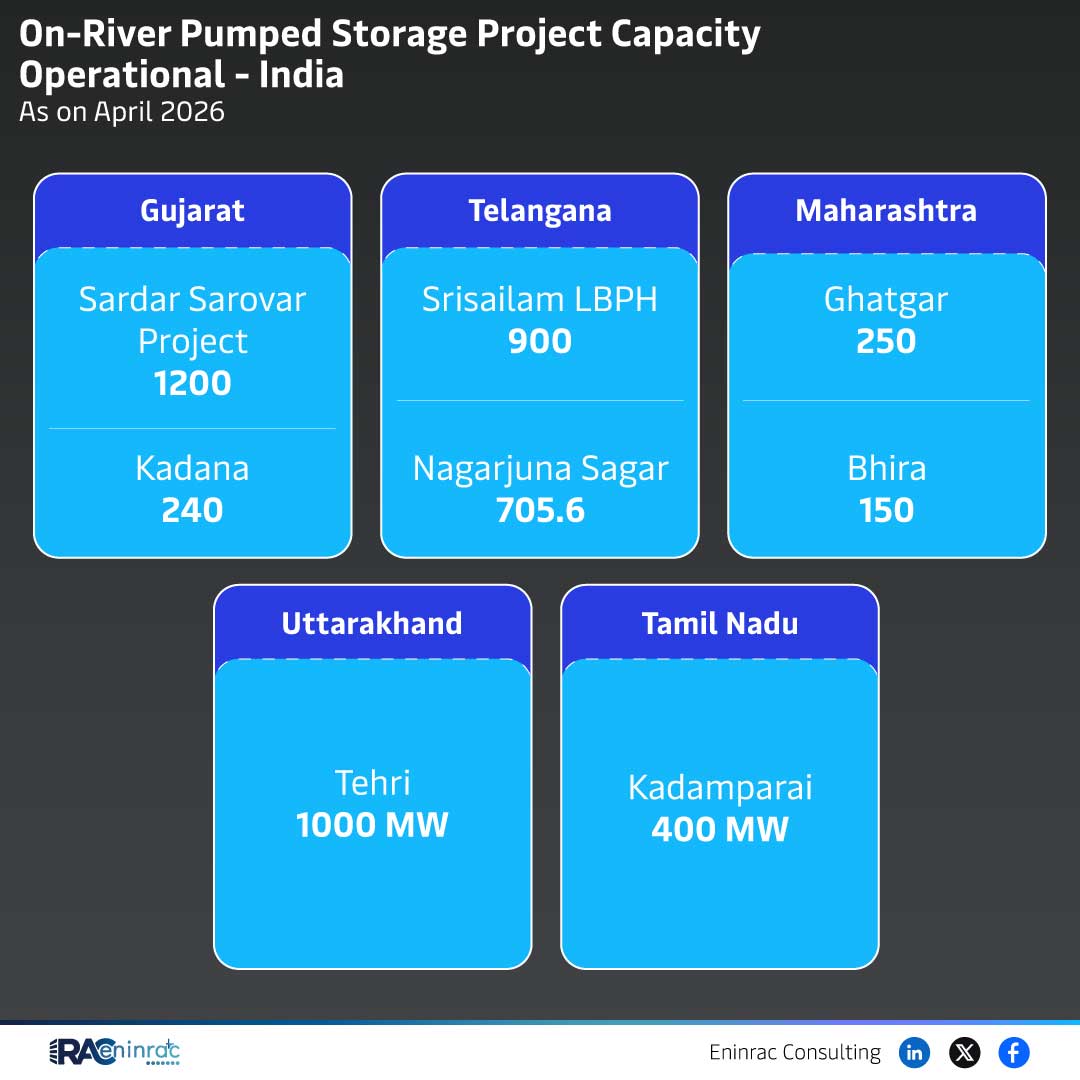
The raw data shows that Gujarat leads with multiple projects totaling over 2,300 MW, while Tamil Nadu adds 1,000 MW through the Tehri Kadamparai scheme. The figures illustrate a clear regional focus on leveraging river basins for pumped storage, highlighting both the scale and geographic spread of India's efforts.
State‑wise Capacity Comparison
Gujarat hosts Sardar Sarovar (900 MW), Kadana (1,200 MW), and the upcoming Ghatgar project (240 MW), together exceeding 2,300 MW. In contrast, Tamil Nadu’s Tehri Kadamparai contributes 1,000 MW, making it the second‑largest single‑state contribution. Smaller projects such as Srisailam (250 MW) and Nagarjuna Sagar (705.6 MW) add to the national total but remain below the leading state figures. This distribution underscores Gujarat’s aggressive development pace and Tamil Nadu’s strategic use of existing river infrastructure.
Impact on Sectors and Industries
Pumped storage enhances grid stability, enabling higher penetration of intermittent renewables like solar and wind. Investors benefit from predictable revenue streams tied to ancillary services, while policymakers gain a flexible tool for meeting emissions targets. The construction phase stimulates local manufacturing, civil engineering, and skilled labor markets, and the operational phase supports long‑term maintenance and technology upgrades.
Key Takeaways
- Gujarat leads India with over 2,300 MW of on‑river pumped storage capacity.
- Tamil Nadu contributes a substantial 1,000 MW through the Tehri Kadamparai project.
- Smaller projects like Srisailam and Nagarjuna Sagar add diversity but remain secondary in scale.
- Pumped storage supports renewable integration and grid reliability across the nation.
- Investment opportunities arise in construction, equipment supply, and long‑term operations.
- Policy frameworks that encourage pumped storage can accelerate India's clean energy transition.
FAQs
What is on‑river pumped storage?
It is a hydro‑electric system that stores excess electricity by pumping water to a higher elevation during low demand and releases it to generate power when needed.
Which Indian state has the highest pumped storage capacity?
Gujarat, with projects totaling more than 2,300 MW, currently holds the highest capacity.
How does pumped storage aid renewable energy integration?
It provides fast‑response balancing services, smoothing out fluctuations from solar and wind generation.
What are the main investors in these projects?
Both public sector utilities and private infrastructure funds are active, attracted by stable returns and government incentives.
Will pumped storage reduce India's carbon emissions?
Yes, by enabling greater use of clean energy and reducing reliance on fossil‑fuel peaking plants.