
Introduction
The latest survey data for on‑river pumped storage projects in India, compiled as of September 2026, highlights the ongoing planning and investigation stages across several states. Understanding the capacity, status, and geographic spread of these projects is essential for investors, policymakers, and energy planners who aim to integrate flexible hydro‑electric storage into the national grid. This article interprets the raw figures, compares state‑level progress, and outlines the broader implications for the Indian power sector. The integration of pumped storage aligns with India's commitment to increase non‑fossil fuel capacity to 450 GW by 2030, making these projects strategically important. Data were collated from state energy department releases and central ministry bulletins.
What Does the Data Reveal About This Topic?
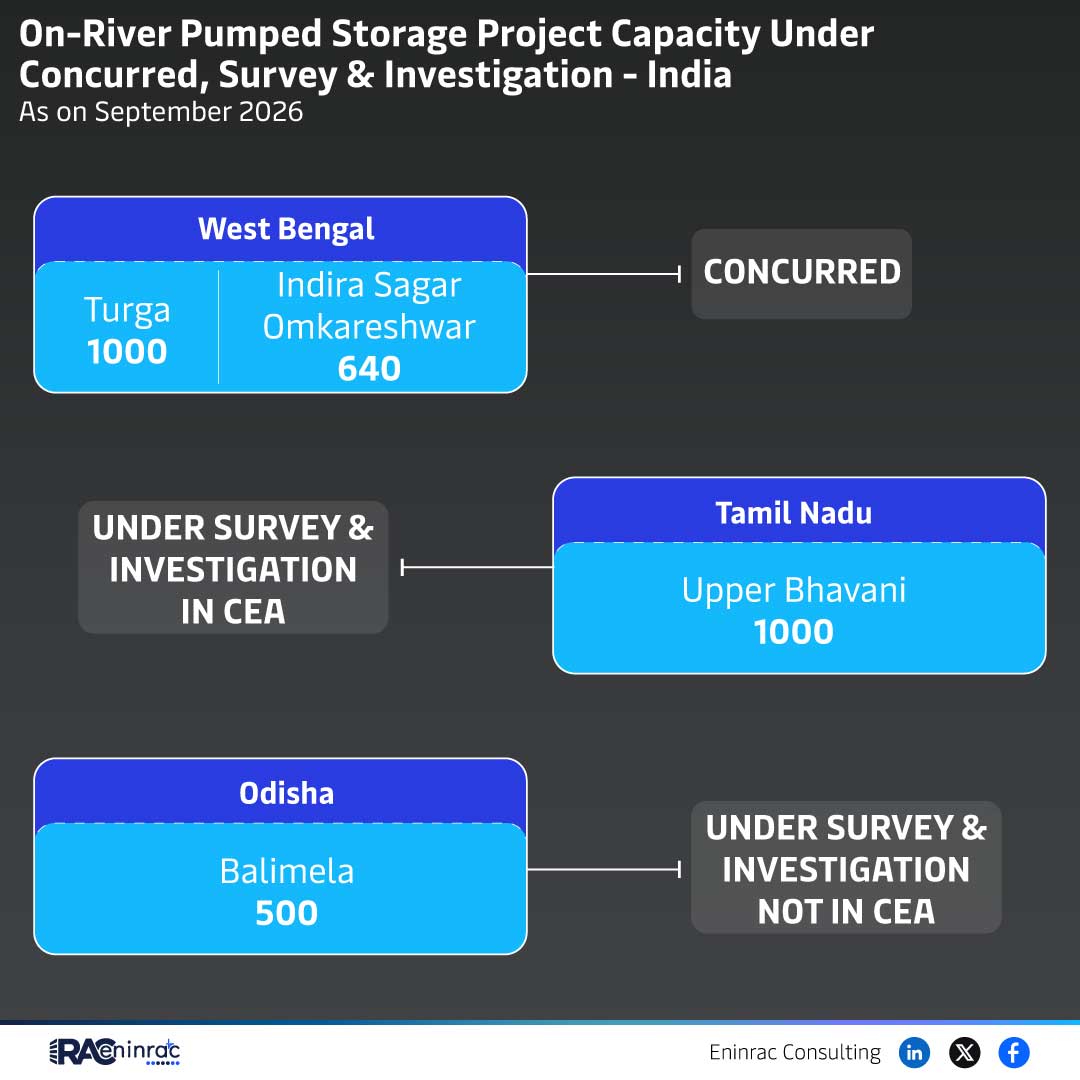
The dataset shows that West Bengal and Odisha are the only states currently listing on‑river pumped storage sites under “survey & investigation”. West Bengal records two projects—Indira Sagar (concurred) and Omkareshwar—while Odisha lists the Balimela project. The combined reported capacity reaches approximately 640 MW, indicating early‑stage development rather than fully commissioned plants. These figures also suggest that no other Indian state has publicly disclosed comparable on‑river pumped storage initiatives at this stage.
Survey and Investigation Status by State
West Bengal leads the on‑river pumped storage pipeline with two separate sites, both marked as “concurred” or “under survey & EE”, suggesting that feasibility studies and environmental clearances are progressing in parallel. Odisha, on the other hand, lists only Balimela under investigation, reflecting a slower or later stage of project maturation. The disparity highlights regional differences in water resource availability, state policy priorities, and the readiness of utilities to pursue pumped storage as a means of grid balancing. Furthermore, the presence of both “concurred” and “under EE” labels indicates that some projects have already secured preliminary approval while others are still assessing environmental impact.
Impact on Sectors and Industries
On‑river pumped storage offers rapid response energy storage, which can smooth the variability of renewable sources such as solar and wind. For the generation sector, these projects provide peak‑shaving capability and reserve margin support. Transmission operators benefit from reduced need for costly grid upgrades, while distribution networks see improved reliability during off‑peak periods. Investors are attracted by the long‑term power purchase agreements linked to renewable integration targets, and policymakers gain a flexible tool to meet India’s 2030 clean‑energy goals. The flexibility offered by pumped storage can also defer the need for additional peaker plants, reducing fuel costs and emissions.
Key Takeaways
- West Bengal hosts two on‑river pumped storage sites under active survey.
- Odisha lists only the Balimela project, still in investigation.
- Total reported capacity is about 640 MW, indicating early‑stage development.
- State‑level policy and water resource factors drive project progress.
- Pumped storage supports renewable integration and grid stability.
- Investors view these projects as long‑term, low‑carbon assets.
FAQs
What is an on‑river pumped storage project?
It is a hydro‑electric system that stores energy by moving water between a lower and an upper reservoir located along a river, generating power during peak demand.
Why are West Bengal and Odisha highlighted in the 2026 data?
These states have submitted the most recent survey reports, indicating they are the front‑runners for on‑river pumped storage development in India.
How does pumped storage complement solar and wind power?
It provides fast‑acting, dispatchable power that can be released when solar or wind output falls short, helping maintain grid balance.
What are the main regulatory steps for these projects?
Key steps include feasibility studies, environmental clearances (EE), water use permits, and securing power purchase agreements.
When can we expect these projects to become operational?
Given the current “under survey” status, commissioning is likely to occur in the late 2020s, subject to approvals and financing.