
Introduction
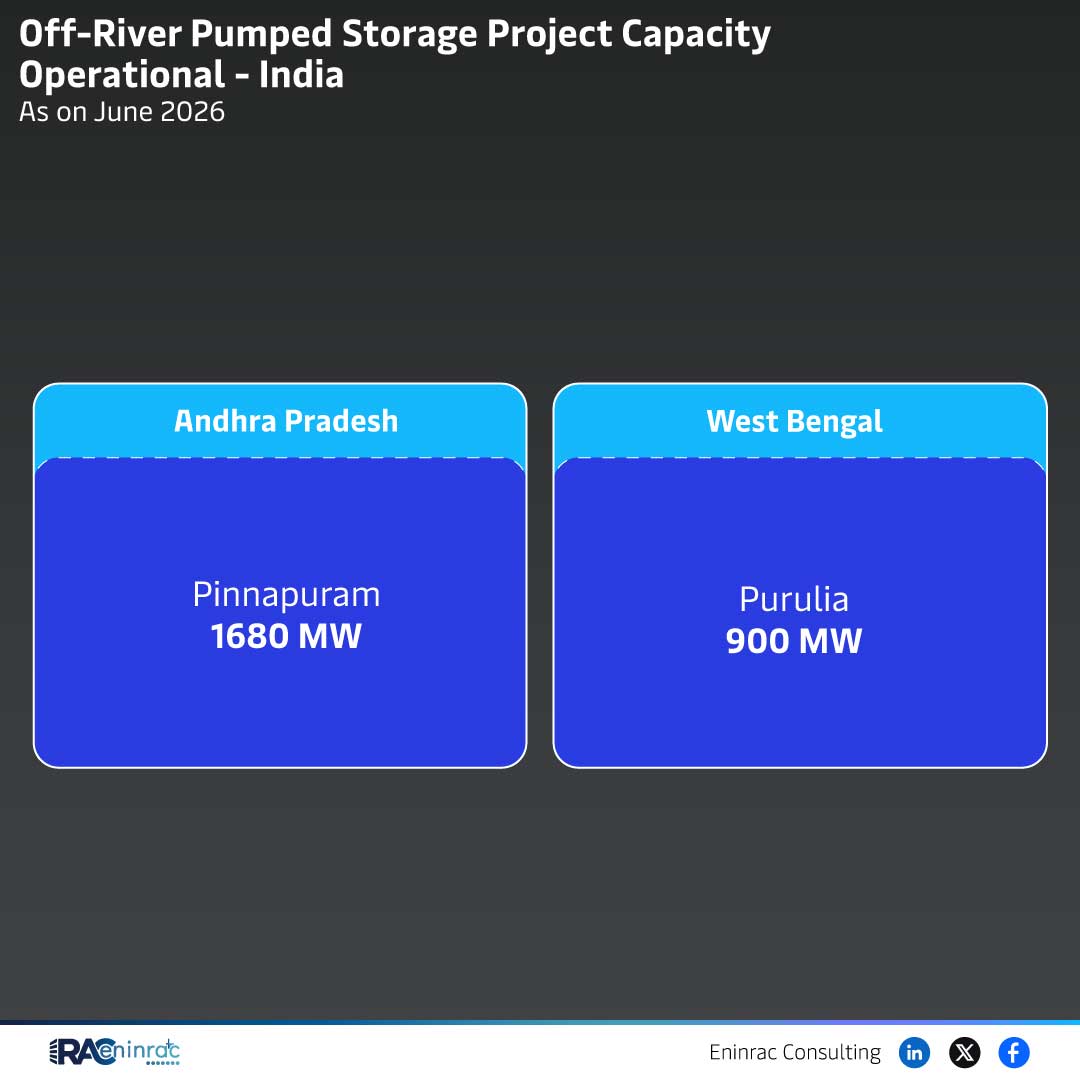
Off‑River Pumped Storage projects are a critical component of India’s renewable energy strategy. As of June 2026 two operational facilities – the Pinnapuram plant with a capacity of 1,680 MW and the Purulia plant delivering 900 MW – illustrate how off‑river hydro storage is expanding to balance intermittent generation from solar and wind. This article examines the capacity details, compares the two sites, and explains the broader implications for the power sector, investors and policymakers.
What Does the Data Reveal About This Topic?
The data shows that combined operational capacity of off‑river pumped storage in India reached 2,580 MW by June 2026. The larger Pinnapuram facility contributes roughly 65 % of the total, while Purulia adds the remaining 35 %. This distribution highlights a strategic emphasis on larger‑scale storage to provide grid flexibility, reduce curtailment of renewable sources and support peak‑load management. The numbers also indicate steady progress toward national targets for renewable integration and a move away from reliance on conventional fossil‑fuel peaking plants.
Capacity Comparison of Pinnapuram and Purulia Projects
When comparing the two projects, several key differences emerge. Pinnapuram’s 1,680 MW capacity positions it among the world’s largest off‑river pumped storage installations, featuring multiple turbine‑generator units, a high‑head reservoir and advanced control systems. Purulia, at 900 MW, is smaller but still significant, employing modern reversible pump‑turbines and a design optimized for rapid response to grid fluctuations. Both sites share common technology foundations, yet Pinnapuram benefits from a more extensive upper reservoir and higher storage duration, while Purulia offers greater modularity and lower capital intensity. These contrasts help planners select appropriate solutions for diverse regional demand profiles.
Impact on Sectors and Industries
Off‑River Pumped Storage influences a wide range of sectors. In the power generation industry, the added 2,580 MW of flexible capacity reduces the need for expensive gas‑fired peaking plants and enhances the reliability of wind and solar farms. Transmission operators gain additional control over congestion, as stored energy can be dispatched to alleviate bottlenecks. Financial markets see new investment opportunities, with infrastructure funds and green bonds targeting storage projects that deliver stable cash flows. Policymakers benefit from an effective tool to meet renewable portfolio standards and emissions reduction commitments, while consumers experience lower electricity tariffs as storage smooths price volatility.
Key Takeaways
- India’s operational off‑river pumped storage capacity reached 2,580 MW in June 2026.
- Pinnapuram contributes 1,680 MW, representing about two‑thirds of total capacity.
- Purulia adds 900 MW, providing valuable flexibility for regional grids.
- Larger capacity at Pinnapuram enables longer discharge durations and higher peak‑shaving capability.
- Both projects support renewable integration, grid stability and reduced reliance on fossil‑fuel peakers.
- Continued investment in off‑river storage is expected to accelerate India’s clean energy transition.
FAQs
What is off‑river pumped storage?
It is a type of hydroelectric energy storage where water is pumped to an upper reservoir during low‑demand periods and released to generate electricity during peak demand, without requiring a natural river flow.
Why are Pinnapuram and Purulia important?
They are the only two operational off‑river pumped storage plants in India as of June 2026, together providing a substantial 2,580 MW of flexible, renewable‑friendly capacity.
How does pumped storage improve grid stability?
By rapidly injecting or absorbing power, pumped storage balances supply‑demand mismatches, mitigates renewable intermittency and reduces frequency fluctuations.
What are the environmental benefits?
Off‑river designs avoid river ecosystem disruption, use closed‑loop water cycles, and help lower carbon emissions by displacing fossil‑fuel generation.
Will more pumped storage projects be built in India?
Government plans and private sector interest suggest additional projects are likely, aiming to meet the country’s ambitious renewable energy and storage targets.