
Introduction
The renewable energy generation landscape in India for May 2026 offers a detailed snapshot of how different states, power stations and regions performed during a pivotal month. Understanding this data helps investors, policymakers and industry observers gauge progress toward national clean‑energy goals, identify high‑performing assets, and anticipate future trends in the sector.
What Does the Data Reveal About This Topic?
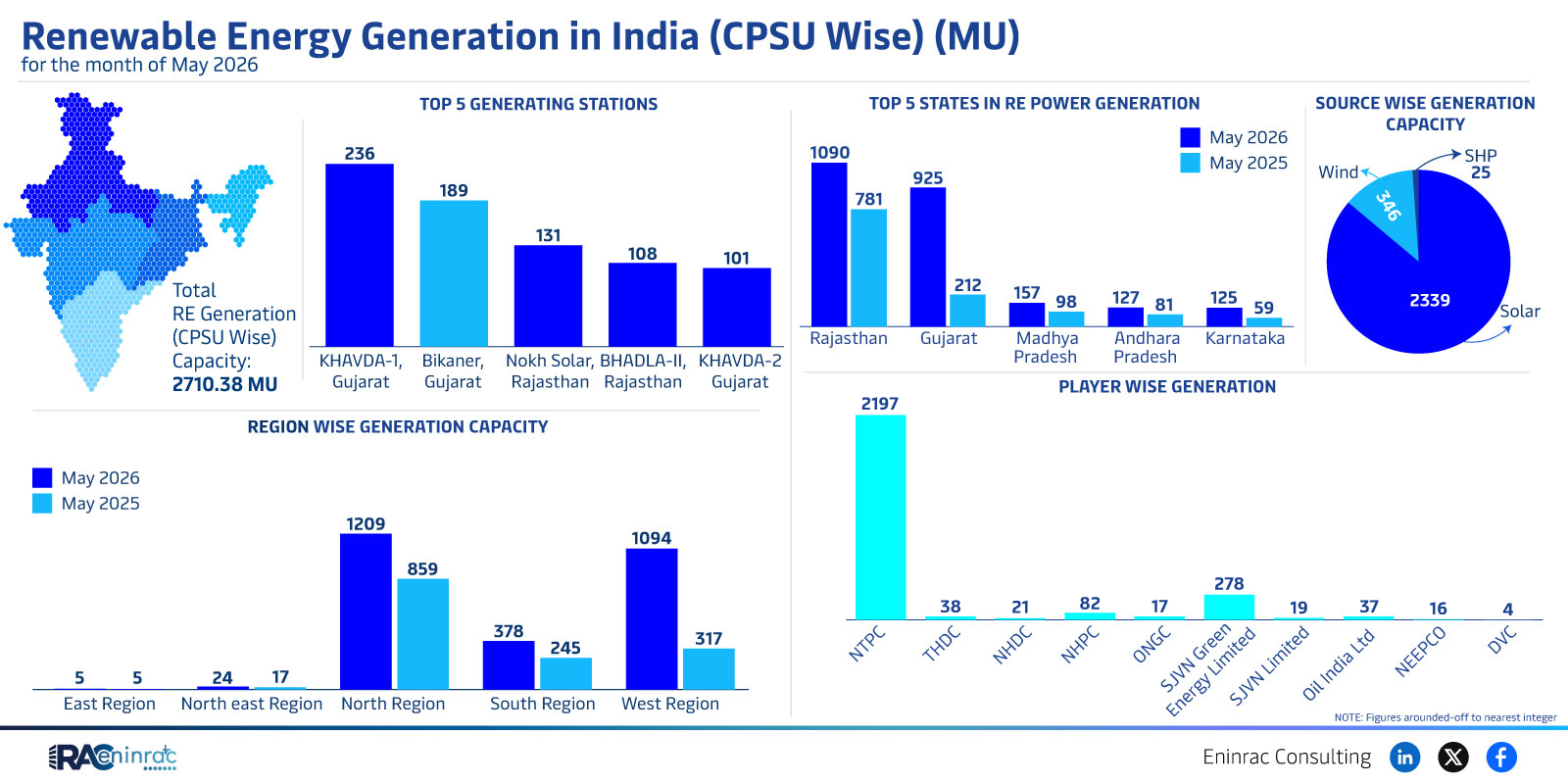
Which regions and generating stations led India’s renewable output in May 2026? The raw figures show that Gujarat, Rajasthan and Madhya Pradesh dominated state‑wise generation, while stations such as KHAVDA‑1, Bikaner and BHADLA‑II topped the plant‑level rankings. Regionally, the East and North regions contributed significantly, underscoring a balanced geographic spread of renewable capacity.
State‑Wise and Plant‑Level Performance Highlights
When comparing the top five states, Gujarat produced the largest share of renewable electricity, closely followed by Rajasthan and Madhya Pradesh. The leading power stations—KHAVDA‑1, Bikaner, Nokh Solar, BHADLA‑II and KHAVDA‑2—collectively delivered over 2,700 MU (million units) in May 2026. This concentration of output reflects both favorable solar irradiance and state‑level policy incentives that have accelerated project commissioning.
Impact on Sectors and Industries
The strong performance of renewable generation influences several sectors. Energy investors see clearer returns on solar and wind projects, encouraging additional capital inflows. Policymakers can leverage the data to refine state‑level renewable purchase obligations and grid‑integration plans. Utilities benefit from higher renewable penetration, which reduces reliance on fossil fuels and supports emissions‑reduction targets. Moreover, the manufacturing supply chain for solar panels and wind turbines experiences increased demand, creating jobs and boosting domestic production capabilities.
Key Takeaways
- Gujarat emerged as the top renewable generation state in May 2026, highlighting the state’s effective policy framework.
- KHAVDA‑1 and Bikaner were the highest‑producing stations, together contributing a substantial portion of national output.
- Regional generation was led by the East and North zones, indicating a balanced geographic distribution of capacity.
- Solar projects dominated the plant‑level rankings, reflecting India’s abundant sunlight and aggressive solar targets.
- Renewable output growth supports national climate commitments and enhances energy security.
- Strong performance encourages further private investment and may trigger additional state incentives.
FAQs
Which state generated the most renewable energy in May 2026?
Gujarat recorded the highest renewable generation, surpassing other leading states such as Rajasthan and Madhya Pradesh.
What were the top five renewable power stations?
The top stations were KHAVDA‑1, Bikaner, Nokh Solar, BHADLA‑II and KHAVDA‑2, together delivering over 2,700 MU.
How does regional generation compare across India?
The East and North regions contributed the largest shares, while the West and North‑East regions showed modest but growing outputs.
Why is solar capacity leading the rankings?
India’s high solar irradiance, supportive policies and declining panel costs make solar projects the most scalable and cost‑effective renewable option.
What implications does this data have for investors?
Consistent high generation from specific states and plants signals stable returns, prompting investors to consider further allocations to Indian solar and wind assets.