
Introduction
The March 2026 renewable energy generation report provides a detailed snapshot of capacity across India, highlighting contributions from solar, wind, and other sources. Understanding this data is essential for investors, policymakers, and industry stakeholders who need to gauge growth trends, regional performance, and the competitive landscape.
What Does the Data Reveal About Renewable Energy Generation?
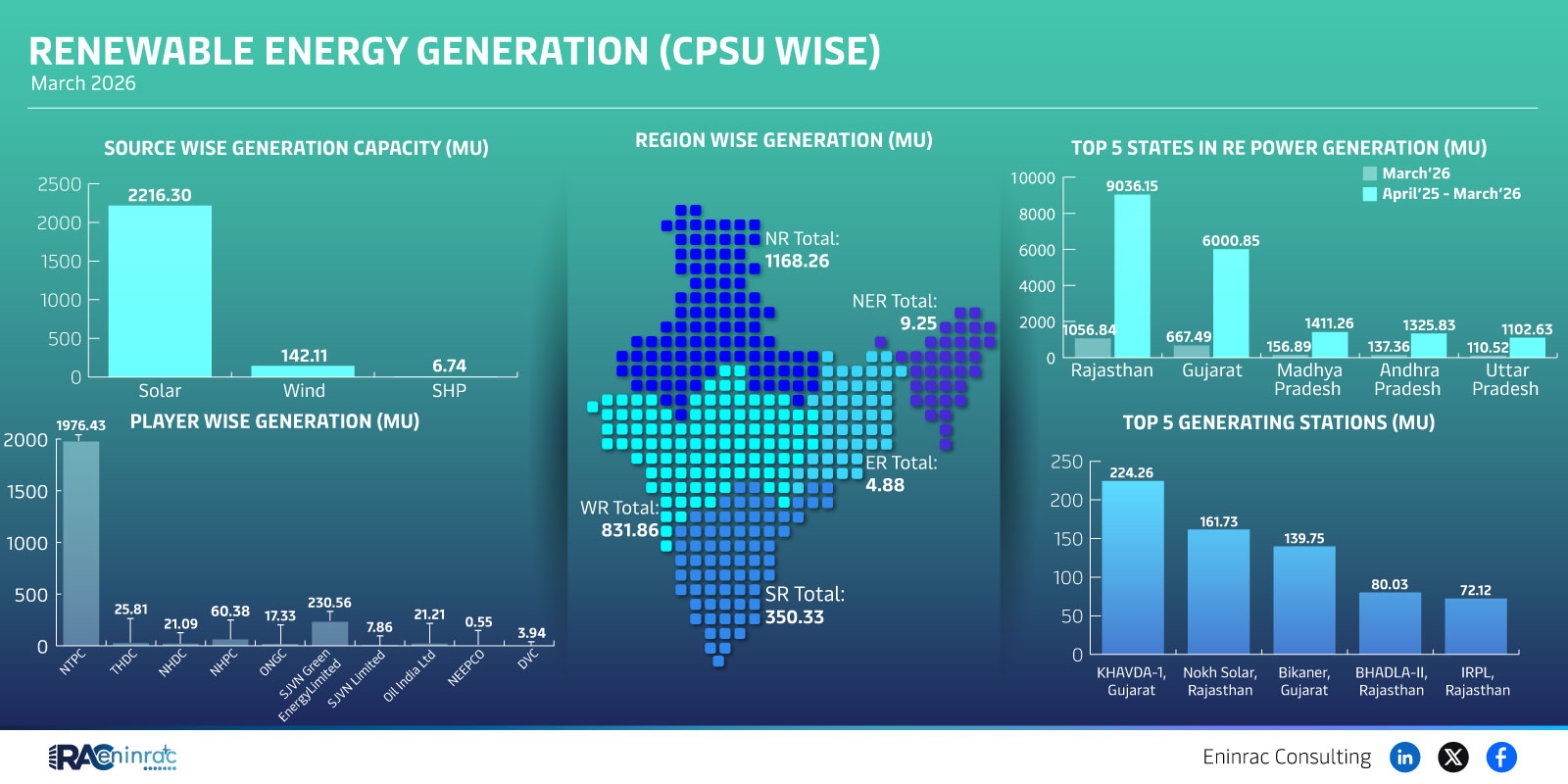
The data shows a total generation capacity of 5,100 MU, with solar contributing 2,500 MU and wind adding 2,216.30 MU. This indicates that solar and wind together account for more than 90% of the reported capacity, underscoring their dominance in the renewable mix.
Regional Performance and Leading States
When broken down by region, the top five states—Andhra Pradesh, Karnataka, Tamil Nadu, Gujarat, and Rajasthan—lead the nation in renewable output. Andhra Pradesh alone contributes roughly 800 MU, while Karnataka follows with about 400 MU. These states benefit from favorable policies, abundant sunlight, and strong wind corridors, creating a clear geographic concentration of renewable assets.
Impact on Sectors and Industries
High renewable generation capacity influences multiple sectors. Power distributors must adapt grid infrastructure to accommodate variable output, while manufacturers of solar panels and wind turbines see increased demand. Financial markets respond with greater green bond issuance, and policymakers are pressured to streamline permitting processes to sustain growth.
Key Takeaways
- Solar and wind together represent over 90% of the reported renewable capacity.
- Andhra Pradesh is the leading state, contributing the highest single‑state capacity.
- Regional concentration highlights the importance of state‑level incentives.
- Infrastructure upgrades are critical to manage variability and ensure reliability.
- Investor interest is rising, reflected in expanding green financing options.
- Continued policy support will be vital to maintain the upward trajectory.
FAQs
Which renewable source has the highest capacity in March 2026?
Solar power leads with a capacity of 2,500 MU.
How many states are in the top five for renewable generation?
Five states—Andhra Pradesh, Karnataka, Tamil Nadu, Gujarat, and Rajasthan—rank highest.
What is the total renewable generation capacity reported?
The total capacity is 5,100 MU.
Why is regional concentration important?
Concentration allows states to leverage local resources, attract investment, and implement targeted policies more effectively.
How does this data affect investors?
Strong capacity growth signals opportunities in project financing, equipment manufacturing, and green bonds.