
Introduction
The recent SJVNL tender auction for a total of 600 MW of wind capacity provides a clear snapshot of India’s accelerating renewable energy ambitions. By awarding projects to a mix of established players such as NLC India Renewable and emerging developers like Adyant Enersol, the auction demonstrates how market mechanisms are unlocking new wind installations. This article breaks down the raw figures, explains what the numbers mean for the sector, and highlights the broader implications for investors, policymakers, and consumers eager to understand the dynamics of wind power auction results in the country.
What Does the Data Reveal About This Topic?
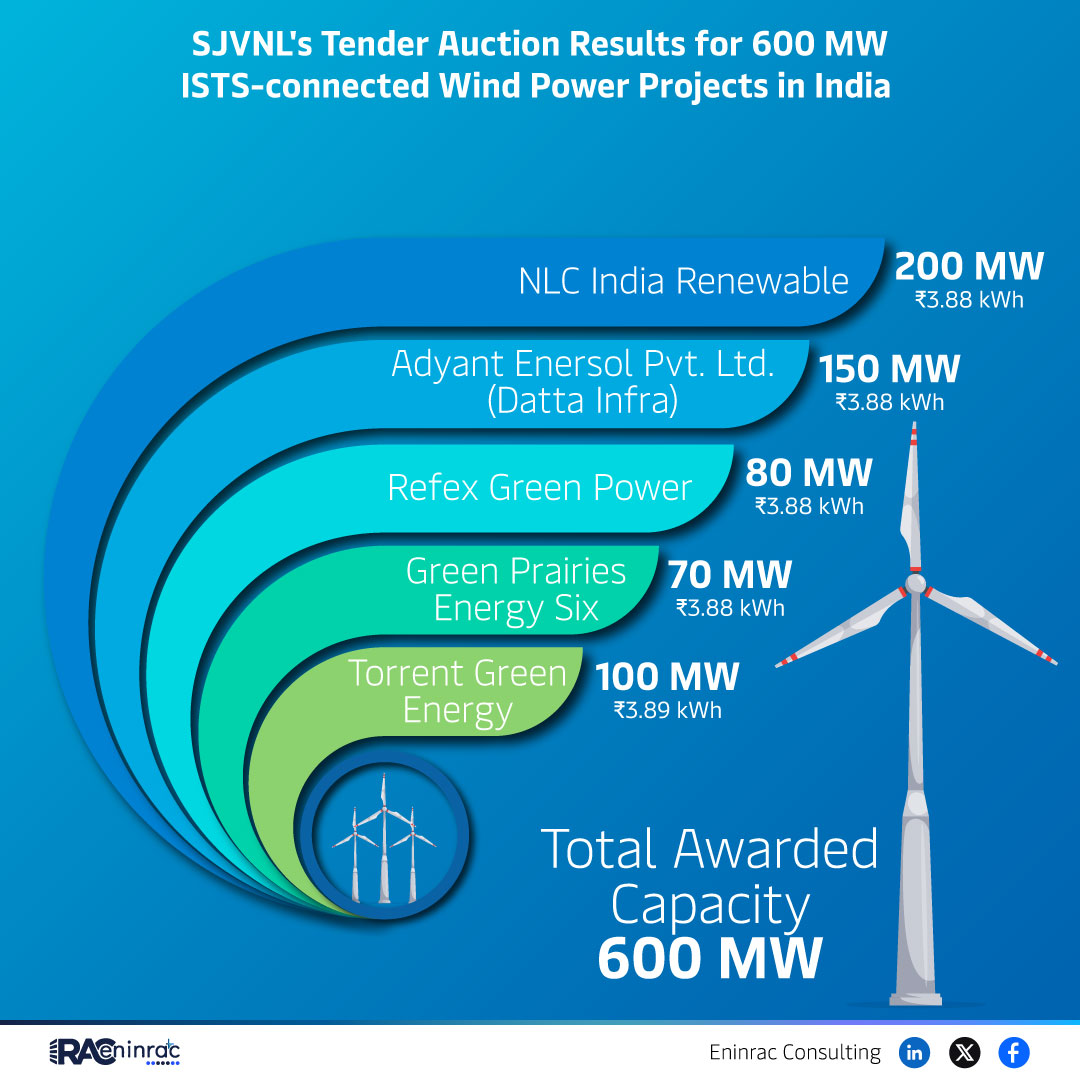
The data shows that the 600 MW tender was divided among several projects ranging from 80 MW to 200 MW, each associated with specific energy metrics around 33.88‑33.89 kWh. The presence of an ISTS‑connected portfolio indicates that these wind farms are integrated into the national smart transmission system, ensuring efficient power delivery. Overall, the auction reflects a balanced approach to capacity allocation, encouraging both large‑scale and mid‑size developers to participate, which is essential for diversified growth.
Wind Project Capacity Distribution in the Auction
Among the awarded capacities, the largest single block is a 200 MW project linked to NLC India Renewable, delivering an estimated 33.88 kWh per unit. Adyant Enersol secured a 150 MW tranche with a similar performance metric, while a 100 MW award under the OoOmMw label also reports 33.89 kWh. Smaller allocations of 80 MW and other sub‑100 MW parcels complete the total 600 MW. This distribution shows a strategic blend of high‑capacity sites in wind‑rich corridors and medium‑size projects that can be quickly brought online, maximizing grid stability and regional supply.
Impact on Sectors and Industries
The successful completion of this wind power auction influences multiple layers of the energy ecosystem. For the generation sector, it adds substantial clean capacity, reducing reliance on fossil fuels and supporting India’s 450 GW renewable target by 2030. Transmission operators benefit from increased ISTS connectivity, which improves load balancing and reduces curtailment. Investors see a clear policy signal that large‑scale wind projects are viable, encouraging capital inflows into equipment manufacturing, EPC services, and operations & maintenance. Finally, consumers stand to gain from a more reliable supply of low‑cost green electricity, which can translate into lower tariffs over time.
Key Takeaways
- The SJVNL auction allocated a total of 600 MW across diverse wind developers.
- Capacities range from 80 MW to 200 MW, each showing consistent energy metrics around 33.88 kWh.
- IST‑connected projects ensure efficient integration with the national grid.
- Both established and emerging firms secured awards, promoting market competition.
- The outcome strengthens India’s progress toward its 2030 renewable energy goals.
- Enhanced wind capacity supports grid stability, investor confidence, and consumer benefits.
FAQs
What is the total capacity awarded in the SJVNL tender?
A total of 600 MW of wind capacity was awarded across multiple projects.
Which companies received the largest wind project awards?
NLC India Renewable secured the 200 MW block, while Adyant Enersol received 150 MW.
What does the 33.88 kWh figure represent?
It indicates the estimated energy generation per unit for the awarded wind farms.
How does ISTS connectivity benefit these projects?
ISTS integration improves transmission efficiency and reduces power curtailment.
Will this auction impact electricity prices for consumers?
Increased clean capacity can lead to lower and more stable electricity tariffs over time.