
Introduction
Power Installed Capacity South India for August 2026 reflects the latest snapshot of how much electricity generation infrastructure is available across the five major states of the region. Understanding this capacity helps analysts, investors, and policymakers gauge the robustness of the power sector, anticipate future supply‑demand dynamics, and plan for renewable integration. This article breaks down the reported figures, compares state performances, highlights sectoral implications, and answers common questions about the data. The data also separates capacity by fuel type, providing insight into the renewable transition across the south.
What Does the Data Reveal About This Topic?
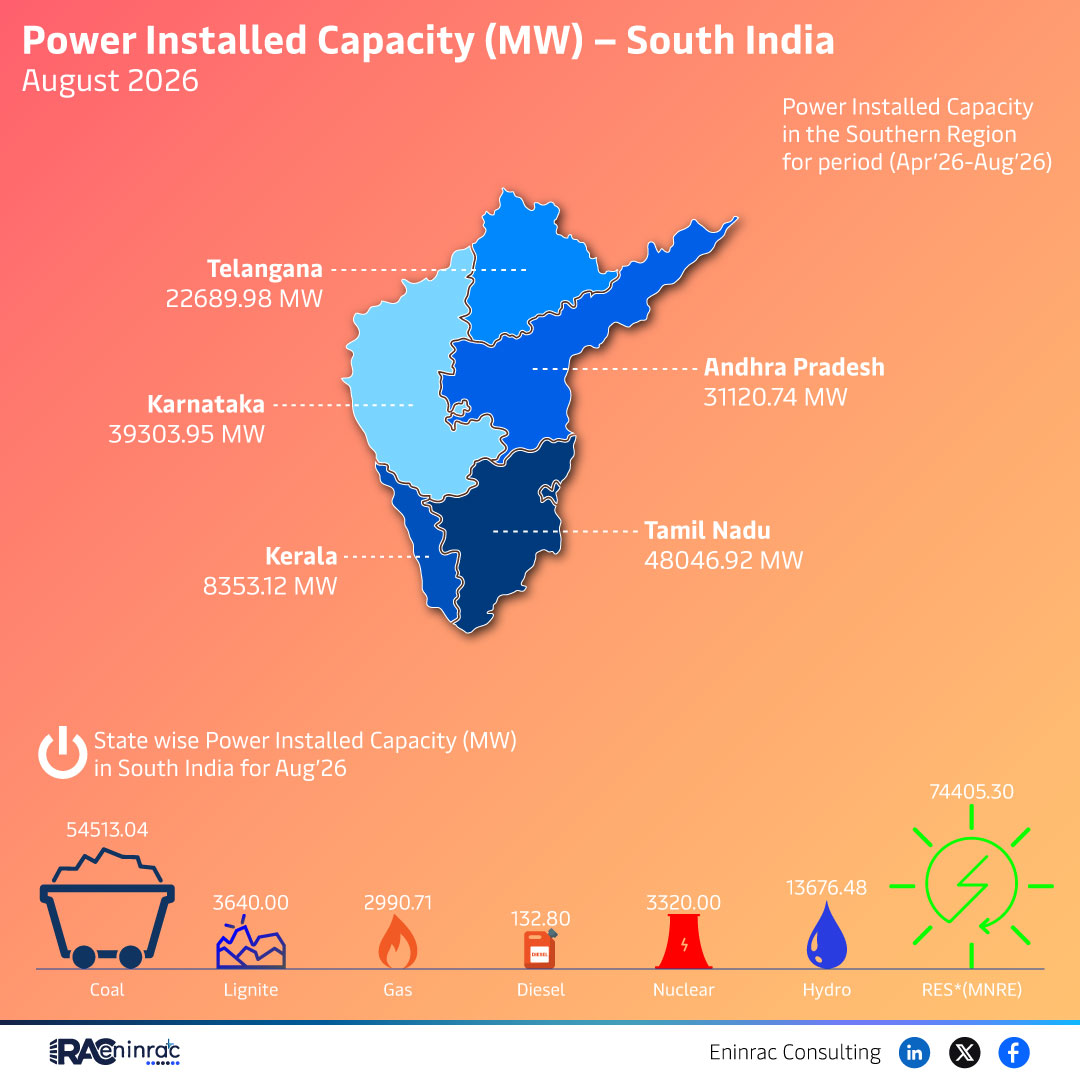
The raw numbers show that Kerala leads with approximately 48,047 MW of installed capacity, followed by Andhra Pradesh at about 39,304 MW, Karnataka with 31,121 MW, and Telangana contributing roughly 22,690 MW. The combined capacity for the southern region reaches close to 74,405 MW, indicating a substantial increase from the same period last year and underscoring the region’s expanding energy base. This growth is driven by both new plant commissioning and upgrades to existing facilities.
State‑wise Capacity Comparison in South India
When the figures are placed side by side, the disparity between states becomes evident. Kerala’s capacity, driven largely by hydro and renewable projects, surpasses the others by more than 10 GW. Andhra Pradesh’s strong showing comes from a mix of thermal and solar installations, while Karnataka balances thermal, nuclear, and a growing share of renewable energy. Telangana, though smaller in absolute terms, shows a rapid growth trajectory, reflecting recent investments in gas‑based and solar plants. These contrasts highlight how geographic, policy, and resource factors shape each state’s generation mix. Additionally, the data breaks down capacity by fuel, showing hydro dominance in Kerala and solar expansion in Andhra Pradesh.
Impact on Sectors and Industries
The surge in installed capacity influences multiple sectors. Utilities benefit from a larger buffer to meet peak demand, reducing the risk of load‑shedding. Industries, especially energy‑intensive manufacturing, gain reliability and potentially lower tariffs as the supply base widens. Investors see a favourable environment for funding new projects, particularly in renewable technologies where capacity additions are most pronounced. Policymakers can align state‑level targets with national goals for clean energy, leveraging the data to incentivise further solar, wind, and hydro developments. Greater capacity also improves the region’s ability to integrate intermittent renewable sources while maintaining reliable supply to end‑users.
Key Takeaways
- Kerala holds the highest installed capacity in South India at roughly 48 GW.
- Combined capacity of the southern region approaches 74 GW, marking a notable rise from the previous year.
- Thermal, hydro, and renewable sources together drive the capacity mix, with renewables gaining a larger share.
- State‑specific growth patterns reflect local resource endowments and policy incentives.
- The expanded capacity enhances grid stability and supports industrial expansion.
- Investors are likely to focus on renewable projects given the region’s capacity trends.
FAQs
Which South Indian state has the largest power installed capacity?
Kerala leads with about 48,047 MW of installed capacity as of August 2026.
How does the total capacity of South India compare to last year?
The region’s total capacity of roughly 74,405 MW represents a significant increase over the same period in the previous year, indicating accelerated investment.
What are the main sources of power in the southern region?
The capacity mix includes coal, lignite, gas, diesel, nuclear, hydro and a growing proportion of renewable energy sources such as solar and wind.
Why is the increase in installed capacity important for industries?
Higher installed capacity improves supply reliability, reduces the likelihood of outages, and can lead to more competitive electricity pricing for manufacturers.
Will renewable energy continue to dominate future capacity additions?
Given current policy support and resource availability, renewable projects are expected to comprise an increasing share of new capacity in South India.