
Introduction
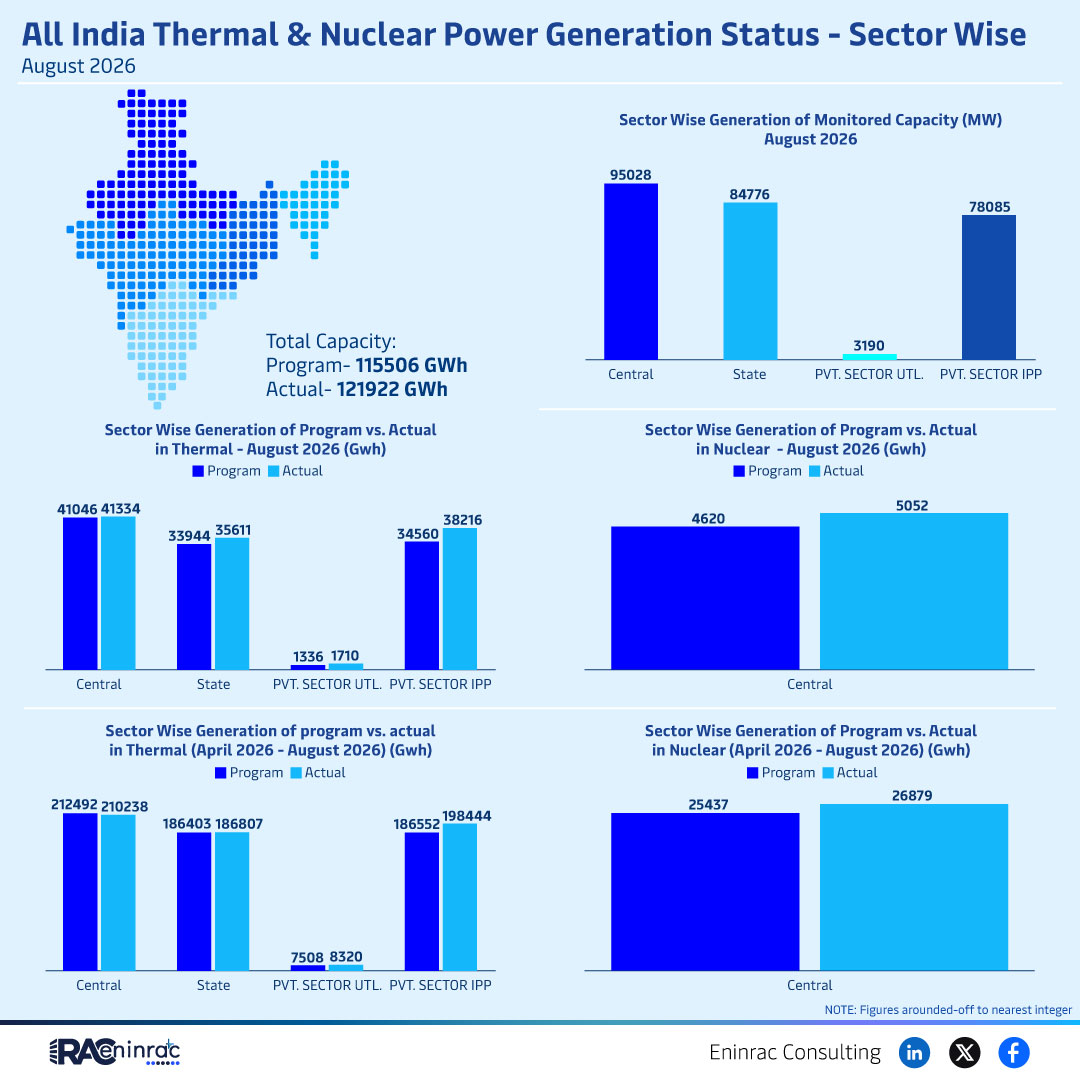
The August 2026 snapshot of India thermal nuclear power generation provides a clear picture of how the country performed against its planned targets. Total electricity generated reached 121,922 GWh, exceeding the program goal of 115,506 GWh. This excess reflects strong performance in the thermal segment and a steady contribution from nuclear plants across central, state and private sectors. Readers will learn the key figures, sector‑wise breakdowns, trends compared with previous months, and the implications for policy makers and investors.
What Does the Data Reveal About This Topic?
Why did actual generation outpace the program target in August 2026? The data shows that thermal power plants, especially those operated by central and state utilities, added significant megawatt capacity, pushing overall generation higher. Nuclear output, while smaller in absolute terms, remained stable and was reported separately for central, state and independent power producer (IPP) categories. The combined effect produced a 5.6% surplus over the forecast.
Thermal vs Nuclear Generation – August 2026 Comparison
When comparing the two segments, thermal generation dominated the landscape with values near 95,000 MW of monitored capacity, while nuclear contributed roughly 5,000 MW. The thermal sector’s program versus actual figures indicate a healthy margin, suggesting that plants are operating efficiently and that demand forecasts were conservative. Nuclear figures, listed for central, state and private IPP owners, show a modest but consistent increase, reinforcing the role of low‑carbon baseload power in India’s energy mix.
Impact on Sectors and Industries
The surplus in total generation influences several downstream sectors. Energy‑intensive industries such as steel, cement and chemicals benefit from more reliable power supply and potentially lower tariffs. Investors see the thermal sector’s resilience as a signal for continued asset development, while the nuclear segment’s steady output supports long‑term decarbonisation goals. Policymakers can use this data to calibrate future capacity‑addition plans, enhance grid stability, and promote balanced growth across central, state and private participation.
Key Takeaways
- India’s total power generation in August 2026 reached 121,922 GWh, surpassing the program target.
- Thermal power contributed the bulk of generation, with monitored capacity around 95,000 MW.
- Nuclear generation, though smaller, remained stable across central, state and IPP owners.
- The surplus of 5.6% demonstrates effective utilization of existing thermal assets.
- Greater generation supports industrial output and may ease pressure on electricity pricing.
- Data highlights the importance of coordinated planning between central, state and private sectors.
FAQs
What was the total electricity generation in India for August 2026?
India generated 121,922 GWh of electricity in August 2026, which is higher than the program target of 115,506 GWh.
Which sector contributed the most to the generation surplus?
The thermal sector drove the surplus, delivering the highest megawatt capacity and exceeding its forecasted output.
How did nuclear generation perform in August 2026?
Nuclear generation remained stable, with output reported for central, state and IPP owners, reinforcing its role as a baseload source.
What does the data mean for investors in the power sector?
Investors can view the strong thermal performance as a sign of reliable returns, while the steady nuclear output supports long‑term clean‑energy investments.
Will this generation trend affect electricity prices?
Higher than expected generation can relieve supply constraints, potentially stabilising or reducing electricity tariffs for end‑users.