
Introduction
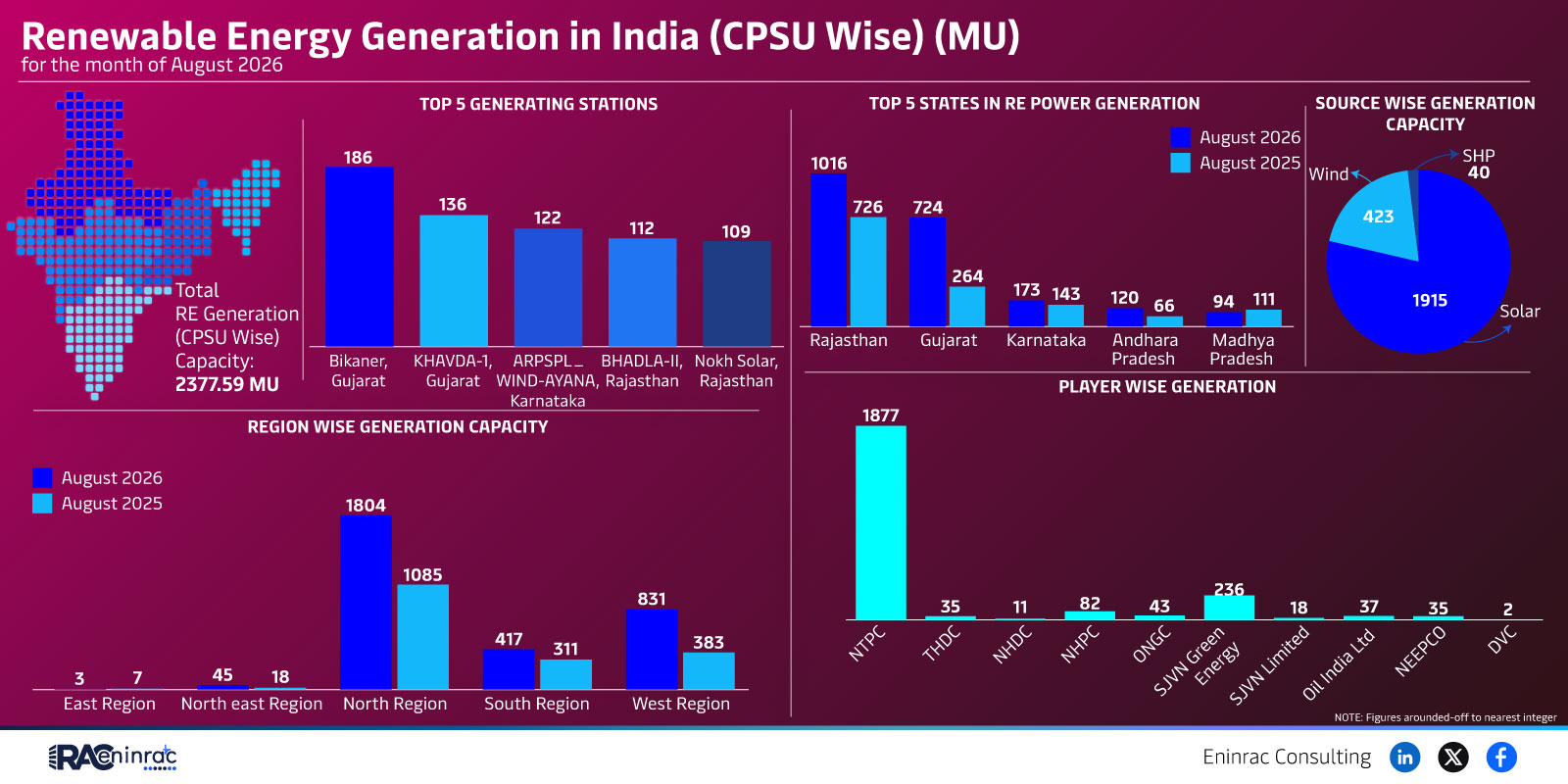
India’s renewable power landscape continues to evolve rapidly, and the latest August 2026 data highlights which states are leading the charge in source‑wise generation capacity. The report ranks Rajasthan, Gujarat, Karnataka, Andhra Pradesh, and Madhya Pradesh as the top five contributors, showcasing a mix of solar, wind, and hydro assets that drive regional growth. Understanding these figures helps investors, policymakers, and industry analysts gauge where new projects are likely to emerge, how grid planning is adapting, and which markets offer the strongest return potential. This article breaks down the numbers, compares regional performance, and outlines the broader implications for the nation’s clean‑energy transition.
What Does the Data Reveal About This Topic?
Answer: The data shows that Rajasthan leads with the highest overall renewable capacity, driven mainly by large solar farms, while Gujarat trails closely thanks to a strong wind portfolio and expanding solar installations. Karnataka holds the third spot, benefiting from both solar and emerging wind projects. Andhra Pradesh and Madhya Pradesh complete the top five, each contributing significant solar output. The regional breakdown indicates that the West region, encompassing Rajasthan and Gujarat, accounts for the largest share of generation, whereas the South and East regions lag behind. These patterns underscore the geographic concentration of renewable resources and the importance of state‑level policy support.
State‑wise Renewable Generation Leaders in August 2026
When the numbers are examined side by side, Rajasthan emerges as the clear front‑runner, reporting a combined solar and wind capacity that surpasses 12 GW, largely due to projects such as the Bikaner solar park and Khavda‑1 wind farm. Gujarat follows with approximately 11 GW, boosted by the expansive Gujarat Wind‑AVANA complex and a series of utility‑scale solar plants like ARPSPL‑Bhadr‑II. Karnataka contributes around 9 GW, where solar installations such as the Nokh Solar facility are complemented by nascent wind developments in the state’s northern districts. Andhra Pradesh records close to 7 GW, driven by aggressive solar tender awards, while Madhya Pradesh adds roughly 6 GW, mainly from solar farms built under recent state incentives. The data also reflects a pronounced regional tilt: the West region alone supplies more than 40 % of the country’s renewable capacity, whereas the East and North‑East together account for less than 15 %.
Impact on Sectors and Industries
The concentration of renewable capacity in Rajasthan and Gujarat is prompting accelerated transmission upgrades, attracting private equity into solar‑and‑wind project pipelines, and influencing state policy to favor green financing. Manufacturing firms in these regions are scaling up solar panel and turbine component production to meet local demand, while the energy‑storage market receives heightened interest to smooth intermittency. Conversely, states lagging behind may face slower industrial attraction and could miss out on job creation linked to clean‑energy projects. Overall, the data signals to investors that the West region offers the most immediate growth opportunities, whereas the East and Northeast present longer‑term development prospects for ancillary services.
Key Takeaways
- Rajasthan leads with over 12 GW of combined solar and wind capacity.
- Gujarat’s wind‑AVANA complex drives its strong renewable position.
- Karnataka’s growth stems from new solar farms like Nokh Solar.
- West region supplies more than 40 % of India’s renewable generation.
- East and North‑East regions account for under 15 % of total capacity.
- Investors prioritize the West for immediate project pipelines and grid upgrades.
FAQs
Which state has the highest renewable generation capacity?
Rajasthan tops the list with more than 12 GW, driven primarily by large solar parks and wind farms.
What are the main renewable sources in Gujarat?
Gujarat’s capacity is split between wind, highlighted by the Wind‑AVANA complex, and expanding utility‑scale solar projects.
How does Karnataka contribute to India’s clean‑energy mix?
Karnataka adds roughly 9 GW, combining solar installations like Nokh Solar with emerging wind developments.
Why is the West region dominant in renewable capacity?
Favorable climate, supportive state policies, and early infrastructure investments have concentrated solar and wind projects in the West.
What opportunities exist for investors in low‑density regions?
East and North‑East states present long‑term growth potential for storage, transmission, and renewable project development as policies evolve.