
Introduction
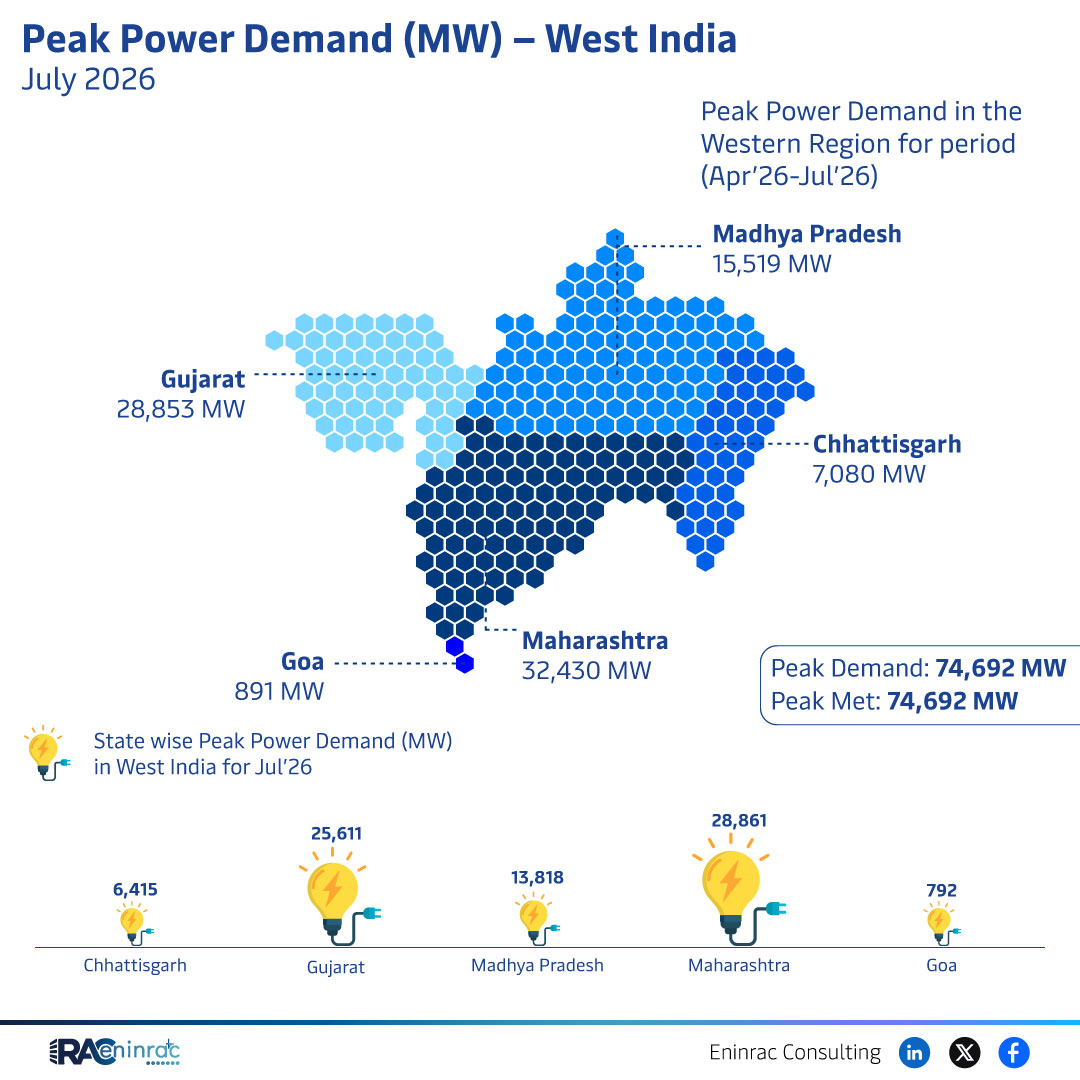
The western region of India recorded a cumulative peak power demand of 74,692 MW in July 2026. This figure reflects the highest instantaneous load across key states such as Maharashtra, Gujarat, Madhya Pradesh, Chhattisgarh, and Goa. Understanding these numbers is essential for grid operators, policymakers, and investors who need to anticipate capacity requirements, manage reliability, and plan future infrastructure. This article breaks down the state‑wise demand, highlights notable trends, and explains the broader implications for the power sector in western India.
What Does the Data Reveal About This Topic?
Which states are driving the western region’s peak demand and what does this indicate about regional electricity consumption? The data shows Maharashtra leading with 32,430 MW, followed by Gujarat at roughly 28,853 MW, Madhya Pradesh at 15,519 MW, Chhattisgarh at 7,080 MW, and Goa contributing around 6,415 MW. The concentration of demand in Maharashtra and Gujarat suggests robust industrial activity and higher urban loads, while the smaller contributions from the other states reflect more modest economic footprints during the peak summer period.
State‑wise Comparison of West India Peak Power Demand July 2026
Comparing the figures reveals a clear hierarchy of power consumption. Maharashtra’s demand exceeds Gujarat’s by nearly 4,000 MW, underscoring its status as the region’s industrial powerhouse. Gujarat follows closely, driven by large manufacturing hubs and agricultural irrigation needs. Madhya Pradesh, while not traditionally classified as a western state, still registers a substantial 15,519 MW due to its growing industrial corridors. Chhattisgarh and Goa, with demands below 8,000 MW each, illustrate lower population densities and less intensive energy usage. These disparities guide targeted investments in generation, transmission, and distribution assets.
Impact on Sectors and Industries
The elevated peak loads influence several sectors. Utilities must ensure adequate reserve margins to avoid blackouts, prompting upgrades in transmission lines and sub‑station capacity. Industrial manufacturers, especially in Maharashtra and Gujarat, face higher electricity tariffs during peak periods, influencing production scheduling. Renewable energy developers see opportunities to integrate storage solutions that can shave peak demand. Policymakers can use this data to refine demand‑side management programs, incentivize energy‑efficient technologies, and align regional grid reforms with actual consumption patterns.
Key Takeaways
- Maharashtra leads with 32,430 MW peak demand.
- Gujarat follows closely at 28,853 MW.
- Madhya Pradesh contributes 15,519 MW.
- Chhattisgarh and Goa each stay below 8,000 MW.
- Total western region peak demand reaches 74,692 MW.
- Data supports targeted grid upgrades and policy interventions.
FAQs
What was the total peak power demand for West India in July 2026?
The combined peak demand across the western states was 74,692 MW.
Which state recorded the highest peak demand?
Maharashtra recorded the highest peak demand at 32,430 MW.
How does Gujarat’s peak demand compare to Maharashtra’s?
Gujarat’s peak demand was about 28,853 MW, roughly 3,577 MW lower than Maharashtra’s.
Why is peak demand important for power planners?
Peak demand determines the maximum capacity needed to maintain reliability and avoid outages during the highest load periods.
What sectors are most affected by high peak demand?
Industrial manufacturing, utilities, renewable developers, and policymakers all adjust operations and strategies based on peak demand levels.